Wildlife • Forests • Responsible Travel
Rajaji National Park Chilla Range: 6 Reasons to Explore
Discover the wildlife, Sal forests and scenic Shivalik foothills of Chilla Range, a popular safari area of Rajaji Tiger Reserve near Rishikesh and Haridwar, Uttarakhand.
Rajaji National Park Chilla Range lies in the Shivalik foothills of Uttarakhand and offers a chance to experience protected forest landscapes and their wildlife. Whether you enjoy nature photography, birdwatching or a guided jungle safari, Chilla is worth considering as part of a trip around Rishikesh and Haridwar. Wildlife sightings are never guaranteed, so enjoy the forest as a living habitat rather than a checklist.
6 Reasons to Explore Rajaji National Park Chilla Range
1Abundant flora and fauna
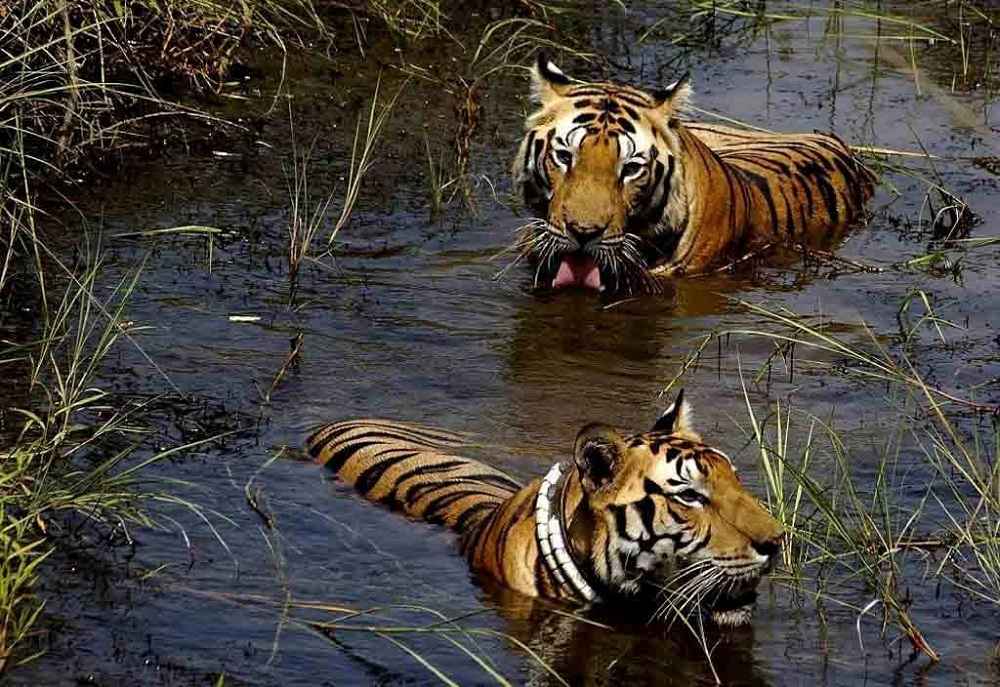
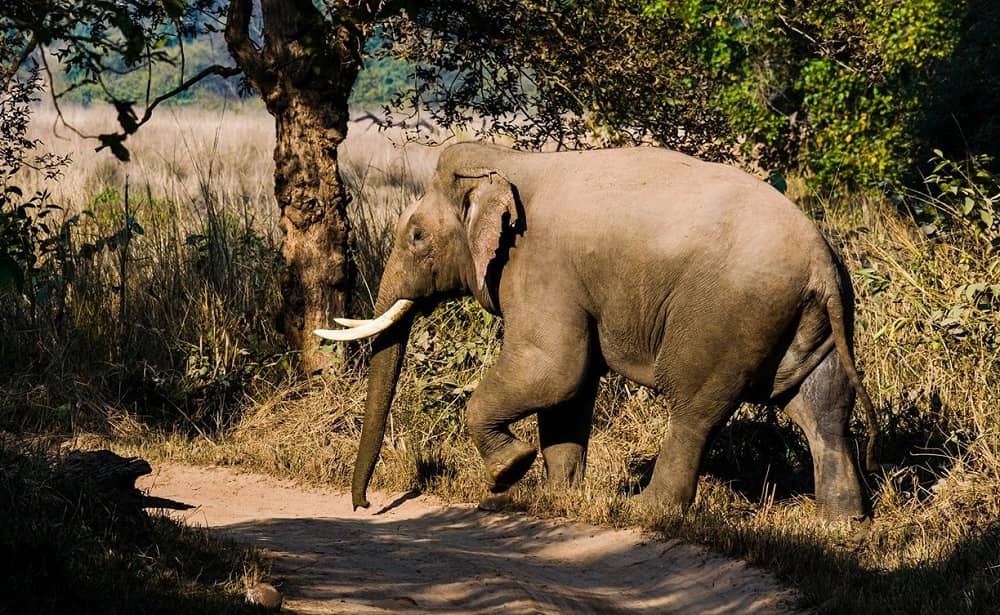
Rajaji’s forests support a variety of wildlife, including Asian elephants, tigers, leopards, deer, monkeys and many bird species. Chilla’s forest and open grassland habitats make it appealing to nature lovers and wildlife photographers. Sightings depend on season, animal movement, weather and luck; no guide or operator can guarantee seeing a particular species.
The wider park includes tropical and subtropical forest types, with Sal trees forming an important part of the landscape. Keep your distance from wildlife and follow the guide’s instructions throughout your visit.
2Responsible tourism and conservation
Visiting a protected area comes with a responsibility to reduce disturbance. Choose authorised safari arrangements, follow park rules, avoid littering and do not feed or call animals to attract them. Respecting local communities and forest staff helps support a safer, more responsible visitor experience.
3Scenic Shivalik landscapes
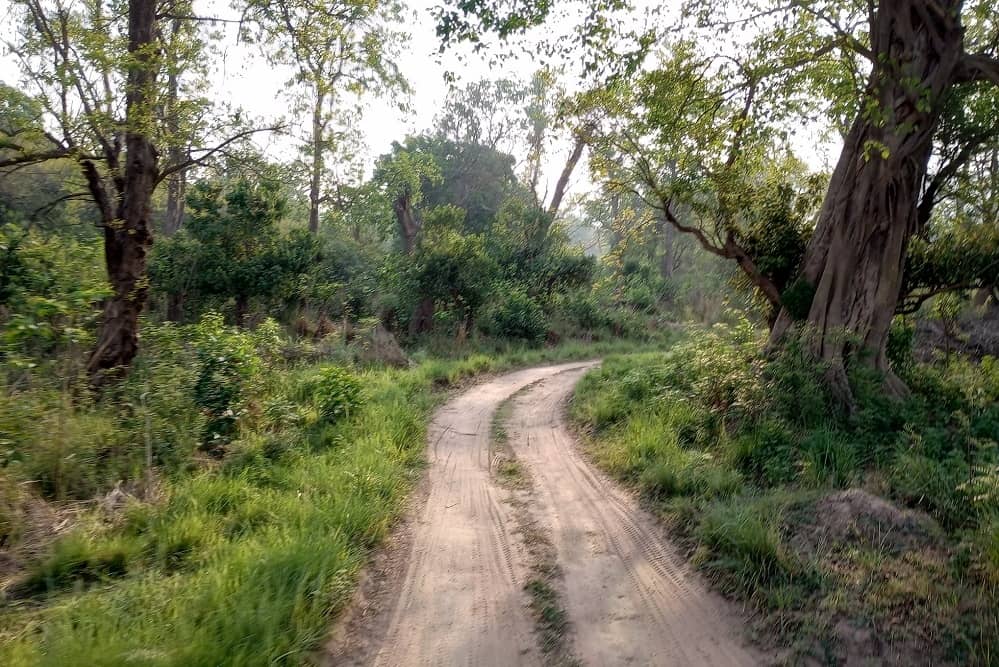
Chilla offers a changing landscape of forest, grassland and riverine habitat framed by the Shivalik hills. The scenery itself is a reason to visit, even when wildlife remains hidden. Morning light can be beautiful for photography, but follow the entry slot assigned by the forest authorities rather than arriving at an unconfirmed time.
For more trip ideas, see our guide to jungle safari in Rajaji National Park.
4History and protected-area significance
Rajaji National Park was formed in 1983 by combining the Rajaji, Motichur and Chilla wildlife sanctuaries. It was named in honour of C. Rajagopalachari, widely known as Rajaji, a prominent freedom fighter and independent India’s first Governor-General. In 2015, the wider protected landscape was approved as Rajaji Tiger Reserve.
Learn more from the Uttarakhand Tourism overview of Rajaji National Park and the Wildlife Institute of India park profile.
5A landscape important for tiger and elephant conservation
Rajaji Tiger Reserve protects habitat used by large mammals, including tigers and Asian elephants. The wider landscape is ecologically important because it connects forest habitats and supports many other species. Visitors can contribute by following conservation rules and choosing responsible, permitted tourism.
For official background on tiger reserves in India, visit the National Tiger Conservation Authority’s tiger-reserve directory.
6A guided jeep safari experience
A permitted jeep safari is a practical way to explore designated parts of Chilla Range with an authorised driver or guide. The forest can reveal tracks, birds, plants and signs of animal activity even when large mammals are not visible. Safari availability, routes, session times, vehicle rules and charges can change by season and forest-department instructions.
Before paying, confirm that the booking channel is authorised, check the exact safari gate and date, and ask what the quoted fee includes. Do not assume that elephant safaris or other activities are offered unless the park authority confirms them.
Planning a Rajaji safari?
Check current visitor information and confirm the operating status for your chosen date before travelling.
Practical tips for visiting Chilla Range
- Check seasonal access: Safari operations can be seasonal and weather-dependent. Confirm dates and timings before setting out.
- Carry identification: Keep the documents required by the booking provider or forest authorities ready.
- Dress for the forest: Wear comfortable, muted-colour clothing and carry sun protection or a light layer according to the forecast.
- Bring binoculars if you have them: They can be useful for birdwatching and observing animals from a safe distance.
- Protect wildlife: Do not feed animals, use flash when prohibited, play loud music or leave litter.
- Allow flexibility: Road conditions, weather and wildlife activity can affect the pace of a visit.
Frequently asked questions
Where is Rajaji National Park Chilla Range?
Chilla Range is part of Rajaji National Park and Tiger Reserve in Uttarakhand, in the Shivalik foothills near the Rishikesh and Haridwar area. Check the exact gate location on your permit before travelling.
What animals can visitors see in Chilla Range?
The wider Rajaji landscape is home to Asian elephants, tigers, leopards, deer, monkeys and diverse birdlife. Sightings are unpredictable and cannot be guaranteed.
Can I book a jeep safari in Chilla Range?
Safari access depends on seasonal operations, permits and forest-authority rules. Confirm the current availability, gate, timing and total charges through an authorised channel before making payment.
When should I visit Rajaji National Park Chilla Range?
Choose dates when the relevant safari zone is officially operating and check the weather close to departure. Seasonal opening and closing dates can change, so verify them before booking.
Is wildlife spotting guaranteed on a safari?
No. Animals move freely through their habitat, and sightings depend on many natural factors. Enjoy the forest, birds and scenery as well as any wildlife you may encounter.
Plan a respectful wildlife visit
Rajaji National Park Chilla Range brings together forest scenery, biodiversity, conservation history and guided safari opportunities in the Shivalik foothills. With realistic expectations and careful planning, it can be a rewarding addition to a Rishikesh or Haridwar trip.
Visitor information note: Access, safari schedules and fees may change. Confirm current details with the relevant park authority before travelling.
Further reading and trusted resources

Comments are closed.