Uttarakhand · Wildlife & Nature Guide
Rajaji National Park in Rishikesh: Safari, Wildlife & Visitor Guide
Discover the forests, birdlife and safari experience of Rajaji Tiger Reserve near Rishikesh. Use this guide to plan your visit to the Chilla Range, understand safari arrangements and prepare for a responsible wildlife adventure.
Located in the Himalayan foothills of Uttarakhand, Rajaji National Park is known for its forest landscapes, elephants, varied birdlife and conservation work. The Chilla Range is one of the commonly visited safari areas for travellers staying in or around Rishikesh and Haridwar.
Rajaji National Park: An Overview
Rajaji National Park is a large protected landscape in Uttarakhand, extending across parts of the Dehradun, Haridwar and Pauri Garhwal regions. It brings together forest habitats, river corridors and Shivalik foothill scenery. The park is associated with the wider Rajaji Tiger Reserve, established to protect important wildlife habitats, including those used by Asian elephants and tigers.
For visitors based in Rishikesh, the Chilla side is a popular starting point for learning about the park’s ecosystems and arranging a permitted safari. Travel time depends on your starting point, traffic and the entry gate in operation, so check the route before departure.
Wildlife and Birdwatching
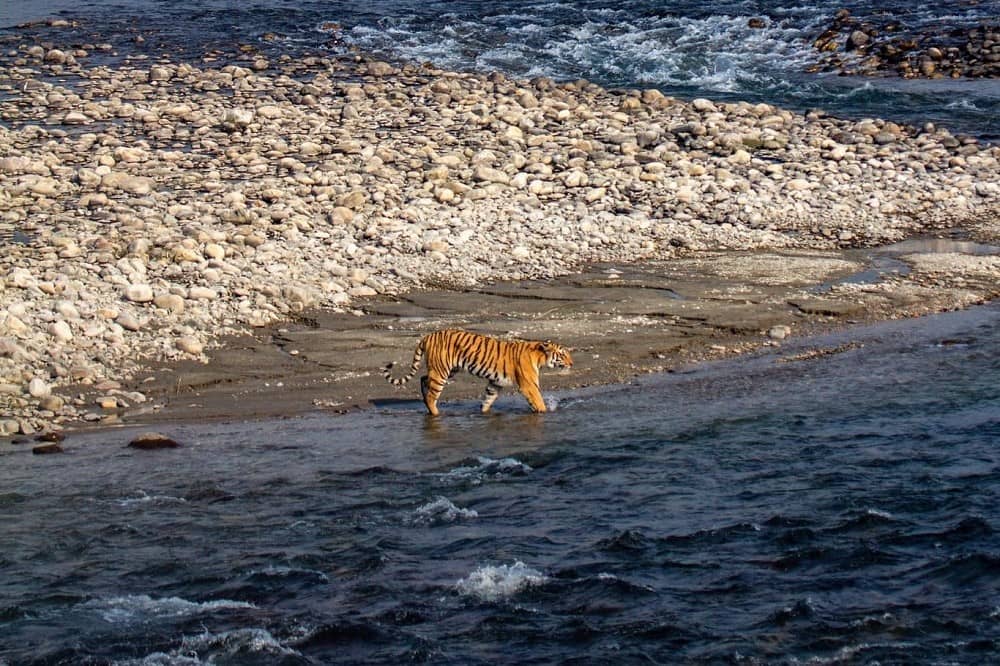
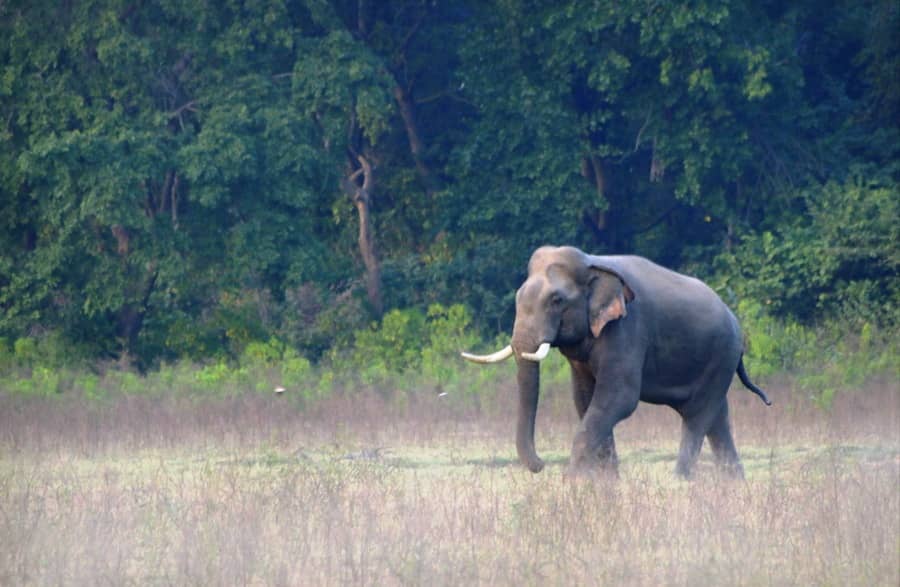
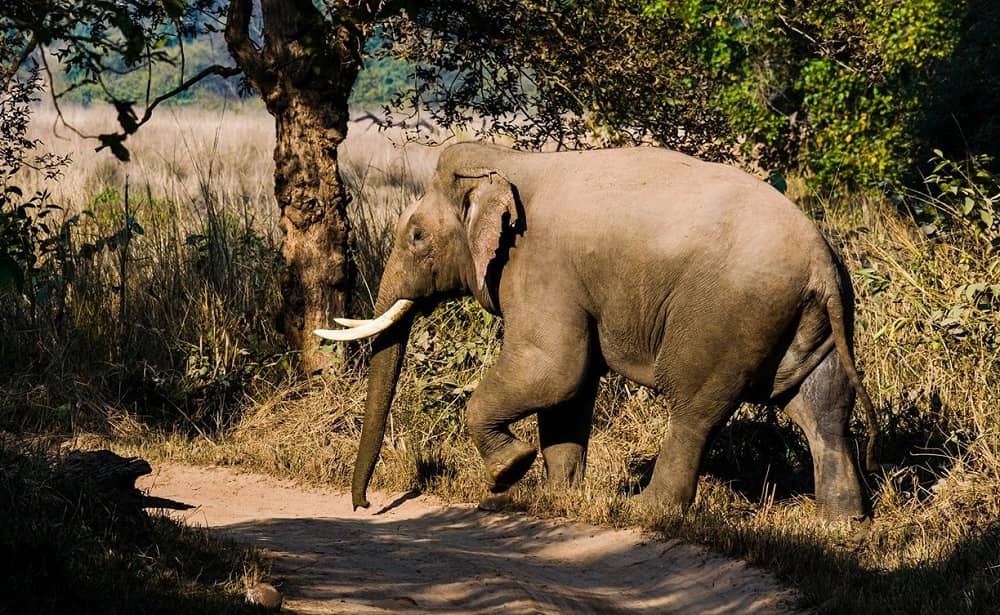
Rajaji’s habitats support a range of mammals and birds. Depending on location, season and luck, visitors may learn about or spot Asian elephants, deer, wild boar, langurs and a variety of bird species. Tigers and leopards also inhabit the wider landscape, but sightings are unpredictable and should never be promised as part of a safari.
Birdwatching adds another dimension to a visit. Take binoculars if you have them, keep noise low, and allow time to observe birds from a respectful distance. A guide can help explain the park’s habitats and identify wildlife signs without disturbing animals.
Jeep Safari in Rajaji National Park
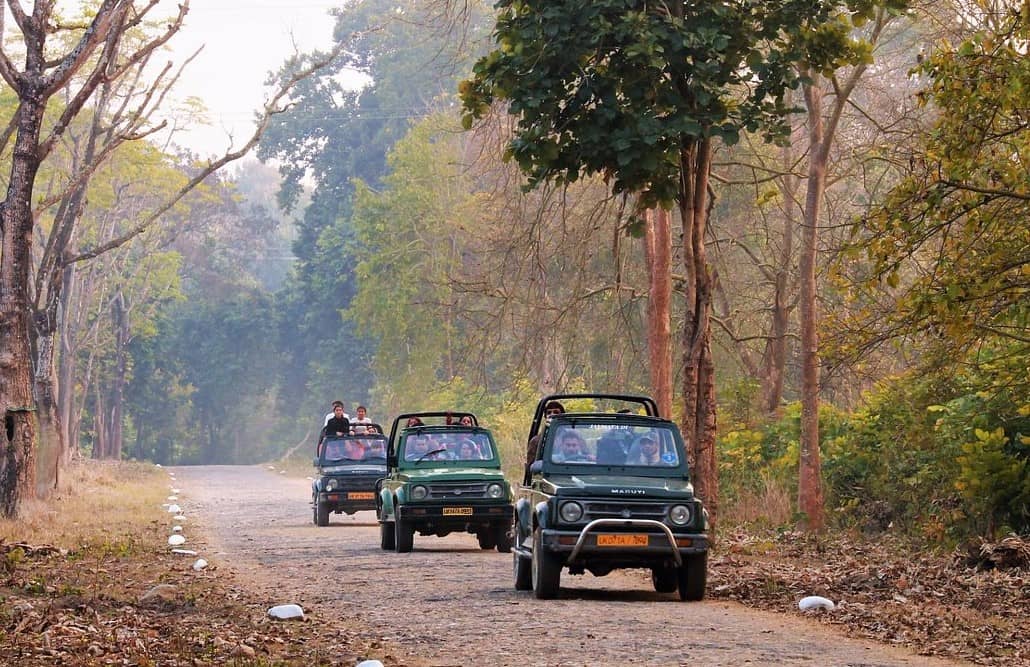
A permitted jeep safari is a common way to explore designated visitor areas. Open safari vehicles can provide broad views of the landscape, while an authorized guide or driver can explain local habitats and safety rules. The route, duration, vehicle availability and access conditions depend on the operating range and current forest department rules.
How to arrange a safari
- Choose the range or entry gate that suits your route and travel dates.
- Check current availability, permit requirements, safari duration and total charges.
- Confirm what is included: entry permits, vehicle, guide and any additional fees.
- Carry identification and arrive at the designated reporting point on time.
For local safari enquiries, you can contact the tour provider using the details on your own booking page. Confirm the phone number and availability before publishing any booking call-to-action.
Safari Fees, Entry Costs and Timings
Older online articles may list different amounts for permits, vehicles, guides and safari packages. These are separate charges and can change, so the figures below are intentionally not presented as current official rates.
| What to confirm | Before paying |
|---|---|
| Entry permit | Current fee by visitor category and entry range. |
| Jeep or gypsy | Vehicle charge, passenger capacity and whether the vehicle is included in a package. |
| Guide | Whether a guide is mandatory and whether the fee is included. |
| Safari time | Current morning/evening departure slots and reporting time. |
| Camera or other charges | Any additional fees applicable to your visitor category or equipment. |
Timing note: Safari schedules and seasonal opening dates can differ by range and may be revised. Verify the current season’s opening period and departure times before setting off; do not rely solely on an old blog post.
Best Time to Visit
The best time for a safari depends on the current operating season, weather and your interests. Cooler months can be comfortable for outdoor travel and birdwatching, while warmer months may bring different wildlife-viewing conditions. Access is commonly affected by the monsoon, but exact opening and closure dates should be checked for the relevant range each year.
Responsible Visitor Tips
- Follow the instructions of authorized park staff, guides and drivers.
- Keep a safe distance from wildlife and never try to feed or call animals.
- Do not litter, play loud music or leave the designated route.
- Wear weather-appropriate clothing and closed, comfortable shoes.
- Carry drinking water, sun protection and binoculars if useful.
- Keep your camera ready, but do not use flash or actions that disturb wildlife.
- Respect access restrictions and never enter closed areas.
How to Reach Chilla Range from Rishikesh
Chilla Range is approached from the Rishikesh–Haridwar area by road. Exact distance and travel time depend on your starting location, traffic and the gate specified in your permit. Use a current map for directions and confirm the safari reporting point with the operator before leaving.
Helpful resources: Rishikesh travel guide, how to reach Rajaji National Park from Rishikesh, and Rajaji National Park jungle safari guide.
For broader destination information, see Uttarakhand Tourism and the Rajaji National Park overview.
Plan a Responsible Rajaji Safari
Choose your travel date, confirm the operating range and verify permits and inclusions before booking. Wildlife sightings depend on nature and are never guaranteed.
Frequently Asked Questions
Is Rajaji National Park near Rishikesh?
Yes. Rajaji National Park and Tiger Reserve lie in the wider Rishikesh–Haridwar–Dehradun region. Chilla is one of the visitor areas commonly considered by travellers staying near Rishikesh; check the precise gate and route for your booking.
Can I see tigers during a Rajaji safari?
Tigers live in the wider reserve, but sightings are rare and cannot be guaranteed. Enjoy the forest and all wildlife signs rather than planning a trip around a promised sighting.
How much does a Rajaji jeep safari cost?
Costs can include the entry permit, vehicle, guide and other charges, and rates can change. Confirm the current total with the official booking channel or authorized operator before payment.
What are the safari timings?
Departure slots and reporting times vary by range and season. Check the current schedule for your chosen entry gate before travelling.
When is Rajaji National Park open?
Opening and closure periods can be seasonal and may vary by range or official decision. Verify the latest status with the relevant forest department before planning your visit.
What should I carry on safari?
Carry identification, water, weather-appropriate clothing and sun protection. Binoculars can be useful for birdwatching. Follow all instructions from park staff and your guide.
Information note: This page is a visitor-planning guide, not an official fee schedule. Confirm all current operating details with the relevant forest department or authorized booking office.


Comments are closed.