Rishikesh · Spiritual Heritage · Nature Walk
Mauni Baba Cave Rishikesh: A Quiet Place for Kriya Yoga Practice
Mauni Baba Cave, also known as Mouni Baba Cave, is a secluded spiritual place along the forested walking route between Ram Jhula and Neelkanth Mahadev Temple. Stories associated with the cave connect it with a Hindu Naga Sadhu, spiritual seclusion, meditation and the traditions followed by Himalayan ascetics.
Visitors interested in Mahavatar Babaji, Kriya Yoga and the spiritual heritage of Rishikesh may find the site meaningful. The cave is in a natural setting near streams and forested hills, so plan the walk carefully and confirm local access conditions before setting out.
About Mauni Baba Cave in Rishikesh
The Mauni Baba Cave Rishikesh is known among some spiritual travellers for the stories and traditions associated with it. Visitors have come here from India and abroad to learn about ascetic life, meditation and Hindu spiritual practices. Local stories describe the cave as a place of seclusion and mystery; such accounts are part of its spiritual reputation rather than independently verified history.
The cave is located along the Rishikesh to Neelkanth Mahadev Temple Paidal Marg, in the wider forested area associated with Rajaji National Park. The walking route is commonly described as beginning near Ram Jhula and continuing towards the Neelkanth footpath. The distance is often stated as approximately 5 km from Ram Jhula, but the exact distance depends on the route and starting point.
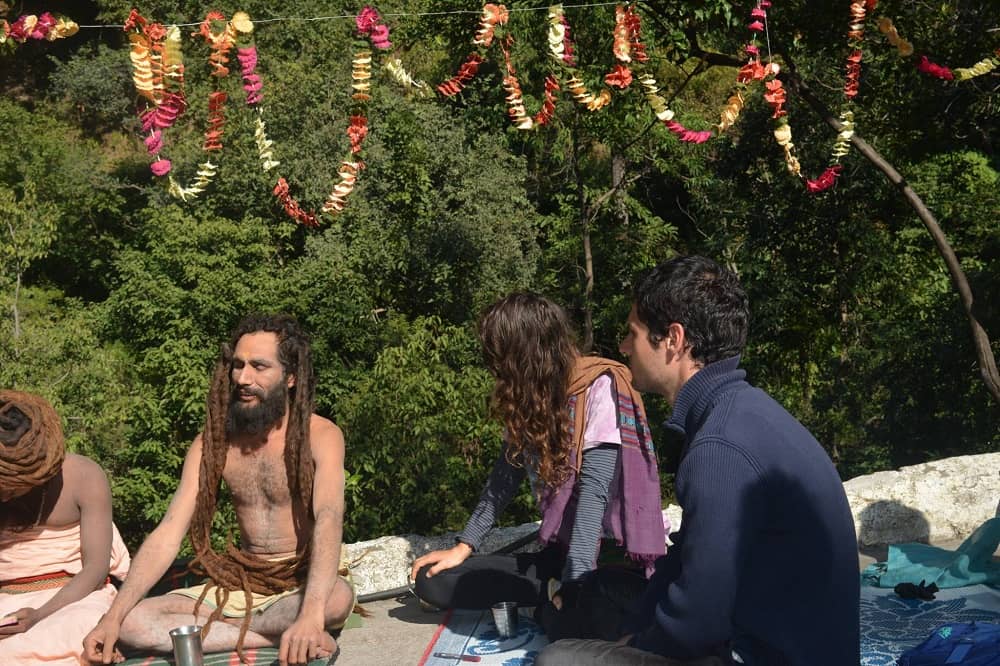
Sri M’s Visit to Mauni Baba Cave
Mauni Baba Cave is also associated with accounts of spiritual teacher Sri M and his guru, Maheshwarnath Ji, visiting the cave during their time in and around Rishikesh. In these accounts, Sri Maheshwarnath Babaji is described as a close disciple of Mahavatar Babaji and as someone connected with the deeper Himalayan spiritual tradition.
These associations are part of the oral and spiritual stories that draw seekers to the cave. Visitors should approach the site respectfully and distinguish devotional accounts from independently documented historical facts.
Mauni Baba Jungle Ashram
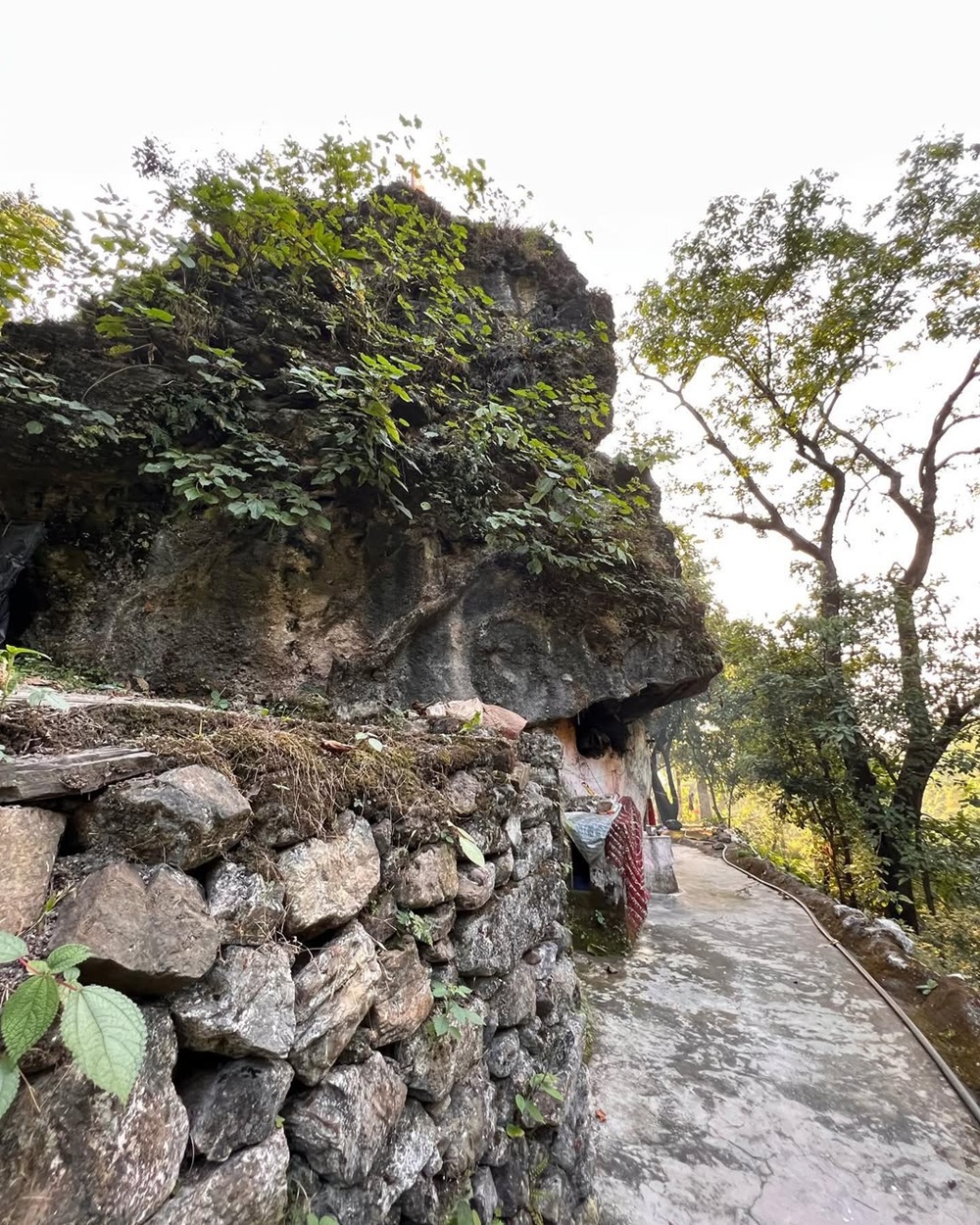
Mauni Baba Cave is a natural-looking retreat among mountains, trees and flowing water. The trail through the surrounding forest is also attractive for nature walks and birdwatching. The wider Rajaji landscape supports varied birdlife, though sightings depend on season, habitat and luck.
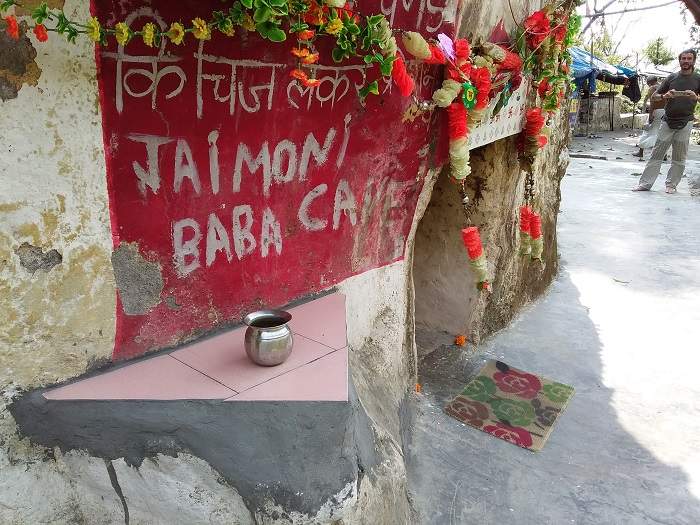
A Living Cave in Rishikesh
Older accounts of the cave refer to an ascetic known as Mauni Baba or Mouni Baba, associated with the Udasin tradition. Some accounts state that the monk passed away many years ago. The name is commonly explained through the words mouni, meaning one who observes silence, and baba, a respectful term for a holy man or ascetic.
Other descriptions of the cave mention Jatadhari Baba, a Himalayan ascetic associated with Shaivism, whose long matted hair is part of the traditional image of an austere sadhu. Stories about who lives at or looks after the cave may change over time; ask locally for current information rather than assuming that older accounts describe present arrangements.
Mauni Baba Cave Structure
The cave is described as a small, dome-like structure formed among large rocks beside a freshwater stream in the Himalayan foothills. Its setting, shaded by trees and surrounded by natural scenery, is an important part of its appeal.
- Small entrance: Visitors may need to bend low to pass through the entrance, depending on the current approach.
- Compact interior: The inside is described as small, with space for a fire altar used for traditional fire rituals (yajna) in accounts of the site.
- Limited capacity: The cave has been described as suitable for only around four or five people at a time. Follow local guidance and do not crowd the entrance.
- Natural surroundings: The nearby stream, trees and forest trail contribute to the quiet atmosphere.
Things to Do Around Mauni Baba Cave in Rishikesh
Explore Rajaji National Park
Discover the region’s forest landscapes and wildlife. Use authorised routes and check whether a safari or guided nature activity is available for your dates.
Visit Neelkanth Mahadev Temple
Continue to this revered temple dedicated to Lord Shiva. Plan the cave walk and temple visit with enough daylight and realistic travel time.
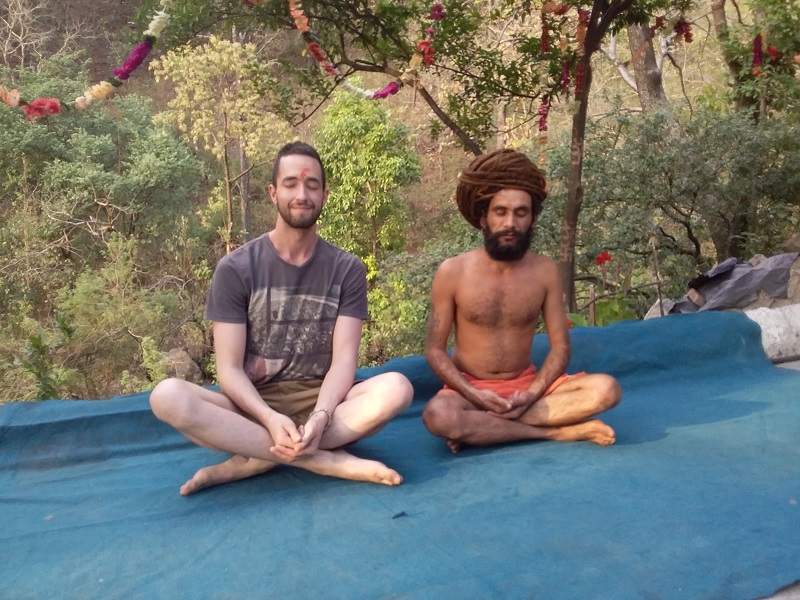
Meditate and Practise Yoga
Enjoy quiet reflection in an appropriate place without blocking the trail or disturbing other visitors.
Birdwatching
Look and listen for local birdlife along the forest trail. Bring binoculars if you have them and avoid playing bird calls or disturbing wildlife.
Take a Nature Walk
Walk at a comfortable pace, stay on established paths and check trail conditions after rain.
Relax Beside the Stream
Pause to enjoy the sound of flowing water from a safe spot. Avoid entering fast-flowing water or slippery streambeds.
Photography
Capture the landscape respectfully. Ask permission before photographing residents, sadhus or people engaged in prayer.
Visit Beatles Ashram
Explore the historic Beatles Ashram, also known as Maharishi Mahesh Yogi Ashram, if opening arrangements and your route allow.
For another meditation destination in the region, read our guide to Vashistha Cave, a well-known meditation retreat near Rishikesh.
How to Reach Mauni Baba Cave
Route 1: Walk from Ram Jhula
One option is to cross Ram Jhula Bridge, pass the Beatles Ashram area and follow the foot trail towards the Rishikesh–Neelkanth Paidal Marg. The walk to Mauni Baba Cave is often described as around 4–5 km, depending on the starting point and trail followed. Allow extra time for finding the route, taking breaks and returning.
Route 2: Drive to the Neelkanth Paidal Marg access point
Another option is to hire a taxi and travel via the Brahmpuri bridge. After crossing the Ganges, follow the road towards the Haridwar–Neelkanth route and ask the driver to confirm the appropriate parking or drop-off point for the footpath. Some local descriptions mention a further walk of approximately 1 km from a roadside access point, but access and distances can vary. Confirm the current route with a local driver before setting out.
Practical Tips for Visiting Mauni Baba Cave
- Start early enough to complete the walk and return in daylight.
- Carry water, a small snack and weather-appropriate clothing.
- Wear sturdy walking shoes; the path can be uneven or slippery.
- Keep noise low and take all rubbish back with you.
- Ask permission before taking photographs of sadhus or other visitors.
- Check local advice about trail access, weather and any current restrictions.
Planning a Spiritual Day in Rishikesh?
Combine Mauni Baba Cave with nearby spiritual places only after checking the walking route, opening arrangements and travel time. A flexible plan helps you explore without rushing.
Frequently Asked Questions About Mauni Baba Cave
Where is Mauni Baba Cave in Rishikesh?
It is described as being along the walking route between Ram Jhula and Neelkanth Mahadev Temple, in a forested area near Rishikesh. Confirm the current access point locally before travelling.
How far is Mauni Baba Cave from Ram Jhula?
Descriptions commonly mention around 4–5 km by the walking route, but the distance depends on the starting point and path. Allow time for the return walk as well.
What is the connection between Mauni Baba Cave and Kriya Yoga?
Stories associated with the cave connect it with Himalayan ascetics and spiritual figures linked in devotional accounts to Mahavatar Babaji and Kriya Yoga. These associations are best understood as spiritual tradition unless independently documented.
Can I reach the cave by car?
A taxi may take you near a local trail access point, but the final approach is on foot. Confirm the drop-off point, parking and current walking distance with a local driver.
Is the cave suitable for everyone?
The walk may be difficult for people with limited mobility or balance, particularly when the path is wet. Assess your ability, check conditions and seek local advice before deciding to visit.
Can I combine the cave with Beatles Ashram or Neelkanth Mahadev Temple?
It may be possible, depending on your starting point, walking pace, transport and access arrangements. Leave enough time and confirm the route before planning multiple stops.

Comments are closed.