Kumbh Mela Haridwar Bathing Dates 2027: Complete Ardh Kumbh Snan Guide
Planning to attend the next Kumbh Mela in Haridwar? The upcoming 2027 gathering will bring pilgrims, saints and spiritual seekers to the banks of the holy River Ganga for sacred bathing, prayers and traditional religious ceremonies.
This guide to Kumbh Mela Haridwar bathing dates 2027 covers the announced snan schedule, important Amrit Snan days, the significance of Har Ki Pauri and practical travel advice. Check the official schedule before booking your journey because bathing arrangements and access restrictions may change.
Announced overall mela period
Listed on the official event website
Currently listed ceremonial bathing days
Schedule checked for this article in October 2026. Individual bathing times and public access arrangements must be confirmed through official announcements.
Kumbh Mela Haridwar Bathing Dates 2027
The Haridwar Kumbh Mela 2027 is scheduled to take place from January through April. The mela administration announced the main bathing festivals in April 2026, and the official event website subsequently listed an additional bathing day on 15 March.
The following table reflects the currently published schedule. The official website identifies four Amrit Snans. The schedule should still be checked for subsequent government notifications and final arrangements.
| Date | Bathing festival | Classification |
|---|---|---|
| Thursday, 14 January 2027 | Makar Sankranti | Bathing festival |
| Saturday, 6 February 2027 | Mauni Amavasya | Bathing festival |
| Thursday, 11 February 2027 | Basant Panchami | Bathing festival |
| Saturday, 20 February 2027 | Magh Purnima | Bathing festival |
| Saturday, 6 March 2027 | Maha Shivratri | Amrit Snan |
| Monday, 8 March 2027 | Phalguna Amavasya | Amrit Snan |
| Monday, 15 March 2027 | Dev Doli | Amrit Snan |
| Wednesday, 7 April 2027 | Nav Samvatsar | Bathing festival |
| Wednesday, 14 April 2027 | Mesha Sankranti | Amrit Snan |
| Thursday, 15 April 2027 | Ram Navami | Bathing festival |
| Tuesday, 20 April 2027 | Chaitra Purnima | Bathing festival |
What Are the Important Amrit Snan Days?
Amrit Snan refers to an especially significant ceremonial bath associated with Kumbh traditions. These occasions can involve akhara processions, religious observances and large gatherings of devotees. They are particularly important to pilgrims who wish to witness the traditional ceremonies.
6 March 2027 — Maha Shivratri
Maha Shivratri honours Lord Shiva and is marked by prayers, fasting and devotional observances. It is listed as an Amrit Snan day in the current Haridwar 2027 schedule.
8 March 2027 — Phalguna Amavasya
Amavasya is the new-moon day in the Hindu lunar calendar. Many devotees consider such occasions appropriate for prayer, remembrance and sacred bathing.
15 March 2027 — Dev Doli
Dev Doli appears as an Amrit Snan on the updated event website. Visitors should verify the final programme and arrangements before choosing this date for their pilgrimage.
14 April 2027 — Mesha Sankranti
Mesha Sankranti marks the Sun’s transition into Aries in the traditional Hindu solar calendar. The current event listing identifies this as the principal Amrit Snan.
Expect significant crowds and possible traffic restrictions on these dates. If you want to attend a procession or take a sacred bath, follow official instructions about timing, designated ghats and public entry.
History and Spiritual Significance of Har Ki Pauri
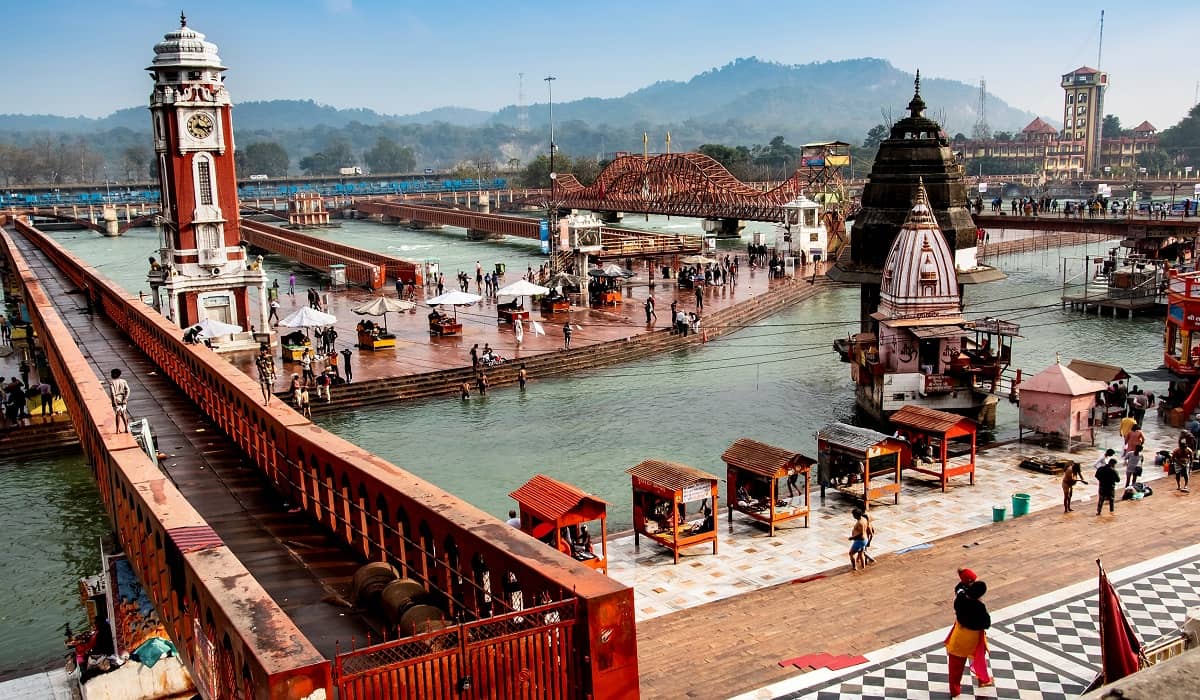
Har Ki Pauri is one of Haridwar’s best-known sacred riverfront locations. Its name is commonly interpreted as the footsteps of Hari, a name associated with Lord Vishnu, although local religious traditions offer different explanations of the name.
The ghat is closely connected with Ganga worship and evening aarti. Pilgrims come here to offer prayers, participate in religious ceremonies and experience the spiritual atmosphere of the river.
Haridwar’s location at the transition between the Himalayan region and the northern plains contributes to its importance as a pilgrimage destination. During a Kumbh gathering, riverfront areas and access routes can be subject to special crowd-management arrangements.
To plan other visits in the city, explore our guide to Haridwar local sightseeing.
Rituals and Traditions of Kumbh Mela
The Sacred Bath in the Ganga
Snan is central to the Kumbh pilgrimage. Many Hindu devotees believe that bathing in the sacred river on an auspicious day supports spiritual purification and religious devotion. Follow safety instructions and bathe only in areas designated by the authorities.
Ganga Aarti and Collective Prayers
Ganga Aarti features devotional singing, lamps and prayers beside the river. Visitors may also encounter bhajans, religious discourses, charitable food distribution and other community activities.
Read our Haridwar evening Ganga Aarti guide for more information about this important devotional tradition.
Akhara Processions and Sadhus
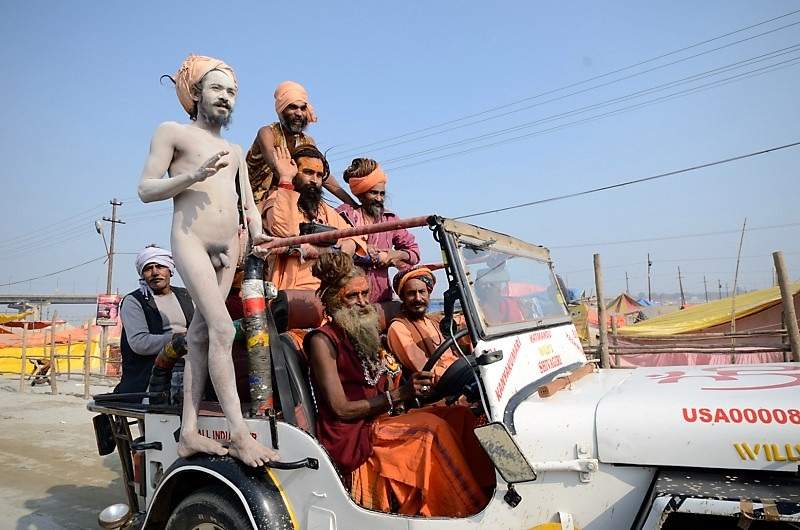
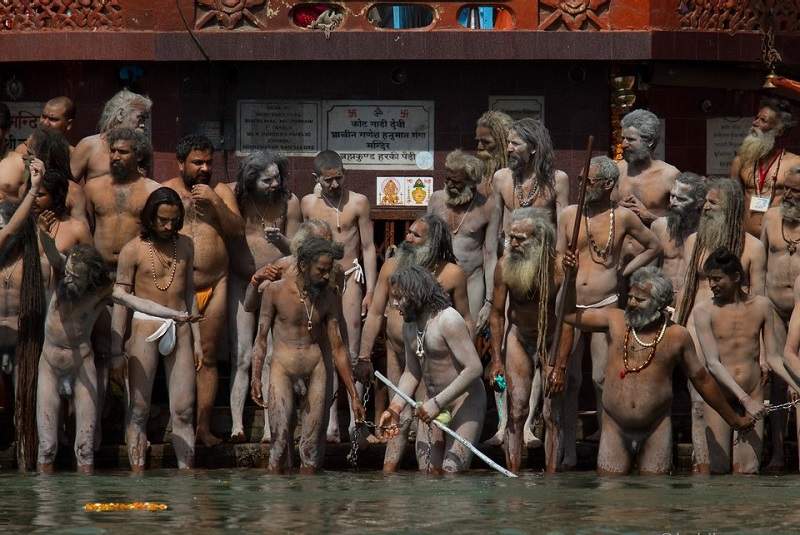
Akharas are traditional religious organisations with distinctive histories and practices. Their participation is an important part of Kumbh traditions, and some processions feature ascetics known as Naga sadhus.
Different Ascetic Traditions
- Naga sadhus: Ascetics associated with particular Shaiva traditions and distinctive religious practices.
- Urdhwavahurs: Ascetics known in traditional accounts for undertaking severe forms of austerity.
- Parivrajakas: Wandering religious renunciants who devote their lives to spiritual practice.
- Other sadhus and spiritual teachers: Religious practitioners who may participate in discourses, prayers and meditation.
Visitors should observe respectfully, avoid interrupting private rituals and ask permission before photographing people.
The Legend Behind the Kumbh Mela
Hindu tradition connects Kumbh with the Samudra Manthan, or churning of the cosmic ocean, described in sacred narratives. According to the legend, gods and demons sought Amrita, the nectar of immortality. A struggle over the nectar became associated with the sacred origins of Kumbh.
The four traditional Kumbh pilgrimage locations are Haridwar on the Ganga, Prayagraj at the confluence of the Ganga and Yamuna and the traditionally identified Saraswati, Nashik on the Godavari, and Ujjain on the Shipra.
The festival’s timing and religious significance are connected with traditional astrological and calendrical calculations. The specific schedule for each gathering is announced by the relevant authorities.
Learn more about the festival’s history in our article on Haridwar, the holy city of Kumbh Mela.
What to See at Haridwar Kumbh Mela 2027
A Kumbh gathering offers opportunities to observe religious ceremonies, hear devotional music and learn about India’s living pilgrimage traditions. Your experience will depend on the date of your visit and the programme permitted by the administration.
- Har Ki Pauri: Experience the historic ghat and its Ganga worship traditions, subject to access rules.
- Ganga Aarti: Attend the riverfront ceremony when it is operating and public entry is permitted.
- Religious discourses: Look for public talks and devotional gatherings at authorised venues.
- Akhara activities: Observe designated public processions from approved viewing areas.
- Temple visits: Explore Haridwar’s religious heritage when routes and opening arrangements allow.
Do not assume that every ghat or ceremony will be accessible throughout the event. Police instructions and crowd-control arrangements take priority.
Travel Tips for Visiting Kumbh Mela Haridwar
Book Your Stay in Advance
Accommodation demand may be high around major bathing festivals. Compare hotels, guesthouses and dharamshalas, and check cancellation policies before booking. Confirm how you will reach your accommodation if roads near the ghats are restricted.
Plan Transport Carefully
Haridwar can be reached by train and road, while visitors flying into the region commonly use Jolly Grant Airport near Dehradun and continue by road. Special trains, parking arrangements, diversions and shuttle services may change during the mela.
Prepare for Large Crowds
- Wear comfortable footwear and weather-appropriate clothing.
- Carry identification, essential medicines and a charged phone.
- Agree on a meeting point with your family or group.
- Keep children close and avoid pushing through crowded areas.
- Follow official directions for bathing, entry and exit routes.
- Do not enter restricted river areas or unsafe currents.
- Check official traffic and safety notices before setting out.
Combine Haridwar with Rishikesh
If your schedule permits, you can explore Rishikesh’s temples, riverfronts and spiritual heritage before or after your pilgrimage. Avoid scheduling a tight transfer on a major bathing day.
Start planning with our Rishikesh travel guide and browse available Rishikesh tour plans.
Frequently Asked Questions
When is the next Kumbh Mela in Haridwar?
The next Haridwar Kumbh gathering is scheduled for 2027. The announced event period is 1 January to 30 April 2027.
What are the Kumbh Mela Haridwar bathing dates in 2027?
The currently listed dates are 14 January, 6 February, 11 February, 20 February, 6 March, 8 March, 15 March, 7 April, 14 April, 15 April and 20 April 2027. Check the official website for updates before travelling.
Which dates are Amrit Snan days?
The current event listing identifies 6 March (Maha Shivratri), 8 March (Phalguna Amavasya), 15 March (Dev Doli) and 14 April (Mesha Sankranti) as Amrit Snan days.
What time does the holy bath start?
Exact bathing times and procession schedules should be confirmed through official mela announcements. Do not rely on an unverified time or assume all ghats open at the same hour.
Where does the Kumbh Mela take place?
The gathering takes place in Haridwar, Uttarakhand, with religious activities centred around the Ganga and designated mela areas. Public access may be restricted during important bathing festivals.
Is Haridwar hosting the Maha Kumbh in 2027?
The upcoming 2027 gathering is generally referred to as Haridwar Kumbh Mela or Ardh Kumbh Mela. The Maha Kumbh held in 2025 took place in Prayagraj.
Where can I verify the official bathing schedule?
Visit the official Haridwar Kumbh website for the latest event schedule and visitor advisories.
Plan Your Haridwar and Rishikesh Journey
Make your spiritual journey more comfortable by checking the confirmed bathing schedule, planning your accommodation and allowing extra time for travel.
Discover more of Uttarakhand with our tour plans and Rishikesh travel guide.
Last reviewed: October 2026. Bathing dates and classifications reflect currently available event listings and may be revised. Confirm all essential travel details with the mela administration before departure.


Comments are closed.