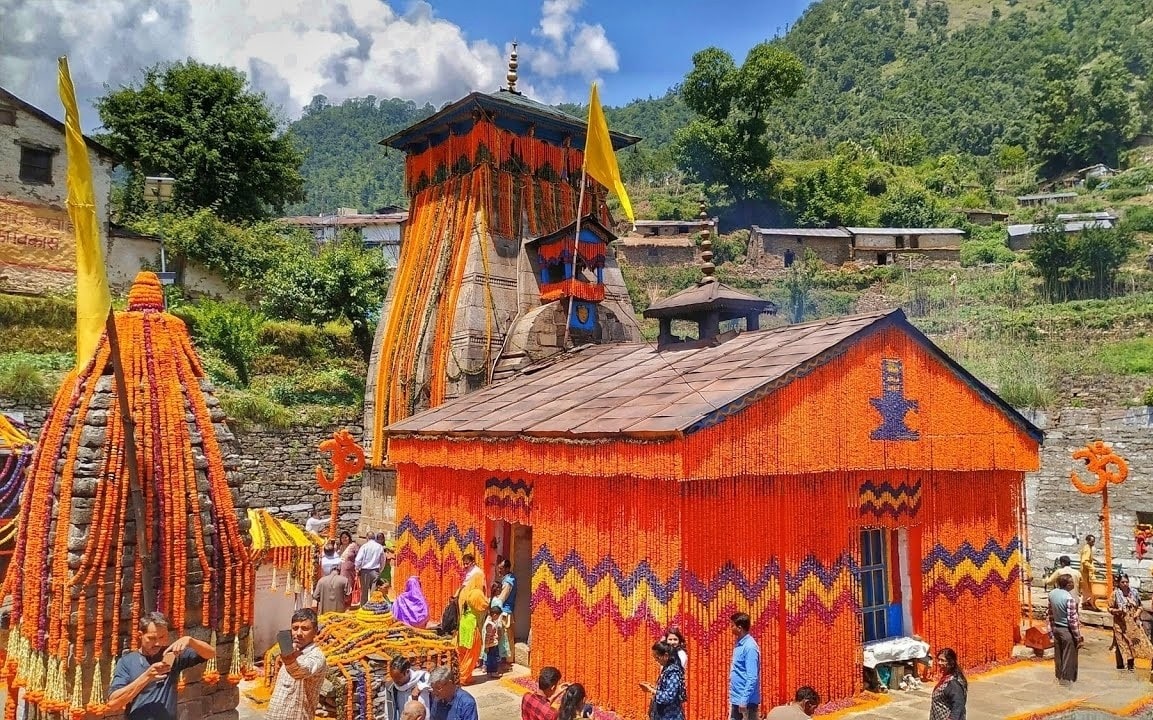
Triyuginarayan Temple Uttarakhand: History, Wedding Legend and Travel Guide
Surrounded by the mountains of Rudraprayag district, Triyuginarayan Temple is a sacred destination dedicated to Lord Vishnu and closely linked with the traditional story of Lord Shiva and Goddess Parvati’s wedding. Visitors come to learn about the Akhand Dhuni, see the sacred kunds and Brahma Shila, and experience the peaceful atmosphere of this Himalayan village.
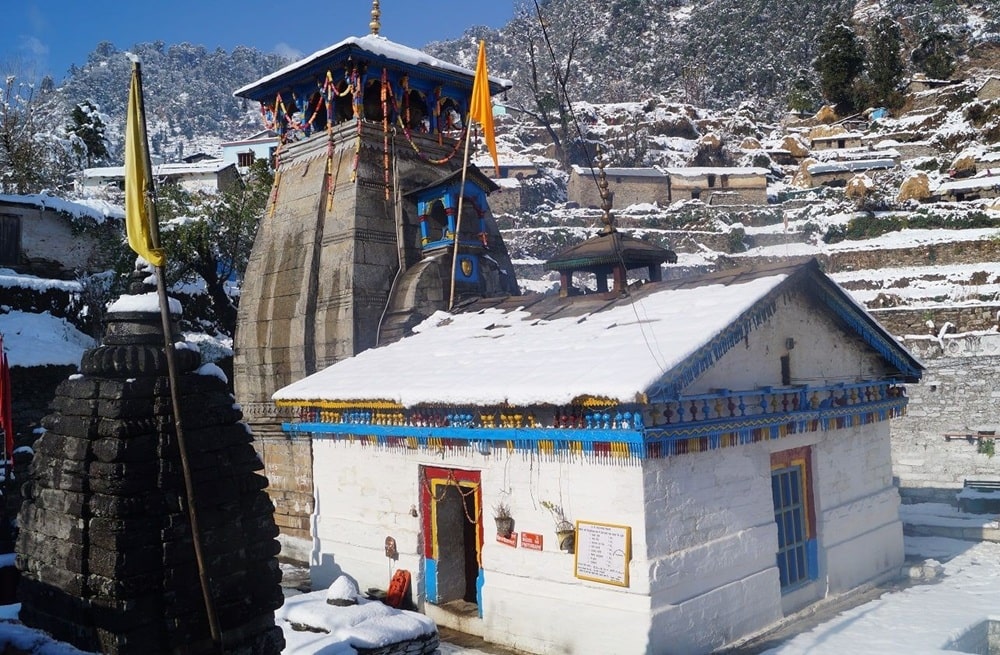
About Triyuginarayan Temple
Triyuginarayan Temple is an ancient shrine dedicated to Lord Vishnu. Its name is commonly explained through three parts: Tri means three, Yugi refers to ages or yugas, and Narayan is another name for Lord Vishnu. The temple stands in Triyuginarayan village, in the Himalayan region of Uttarakhand.
The place is especially important in Hindu religious tradition because it is believed that Lord Shiva and Goddess Parvati were married here. The story connects the temple with devotion, sacred vows and the enduring symbolism of the wedding fire.
The Divine Wedding of Shiva and Parvati
According to the traditional account, Goddess Parvati, daughter of Himavat, performed deep prayers to win Lord Shiva’s love. Their divine marriage is believed to have taken place at Triyuginarayan. In the story described in the supplied article, Lord Vishnu witnessed and helped arrange the ceremony, while Lord Brahma served as the priest.
A sacred stone called Brahma Shila is associated with the spot where the couple is believed to have taken the seven vows, or saat phere. For this reason, devotees and couples visit the temple to seek blessings for harmony and married life.
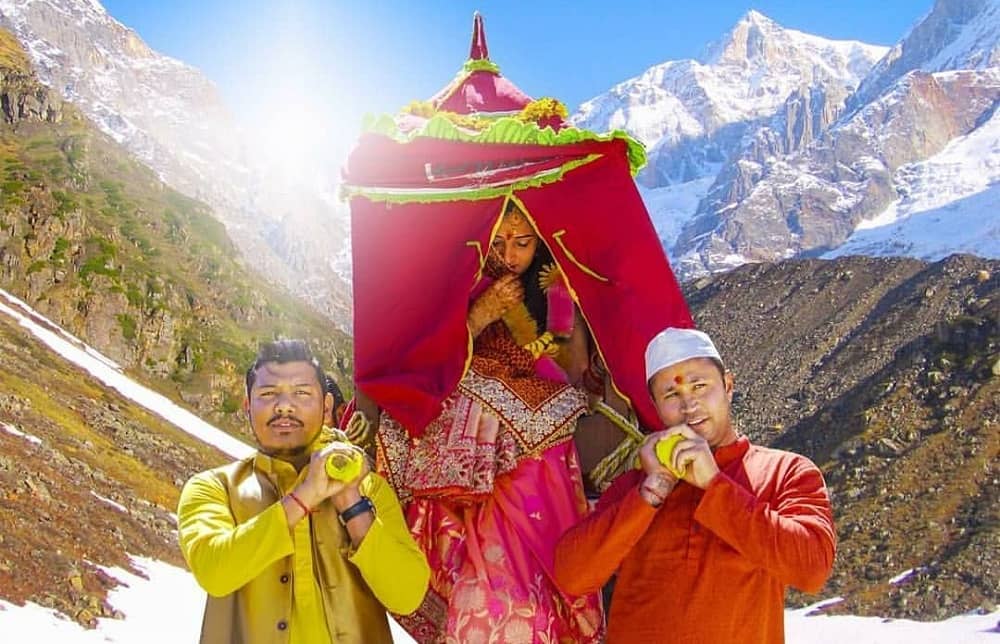
Triyuginarayan Temple Fire: The Akhand Dhuni
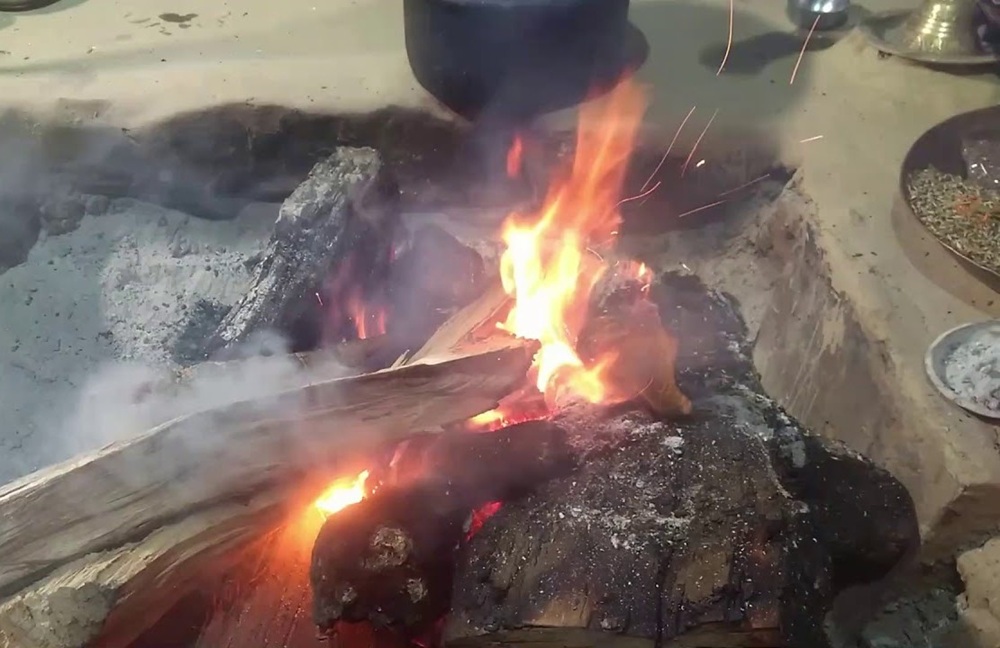
One of the temple’s best-known features is the Akhand Dhuni, also called the Akhand Dhuni fire. According to local religious belief, the flame was lit during Shiva and Parvati’s wedding and has continued burning through the ages. It has become a symbol of sacred union, devotion and blessings.
Devotees traditionally offer wood to the fire and may take a small amount of its ash home as prasad. Follow the temple’s instructions and respect the sacred area when visiting.
Read more in our related guide: Triyuginarayan Temple Agni Kund.
The Sacred Kunds and Brahma Shila
The source describes the sacred water tanks near the temple and connects their water with Saraswati Kund. The names used in local tradition include:
- Rudra Kund
- Vishnu Kund
- Brahma Kund
- Saraswati Kund, described in the tradition as the source feeding the other tanks
The supplied article also records a belief that Saraswati Kund’s water originates from Lord Vishnu’s navel. This is a religious tradition, not a scientific claim. Please follow local directions about access and water use.
The Himalayan Village and Temple Architecture
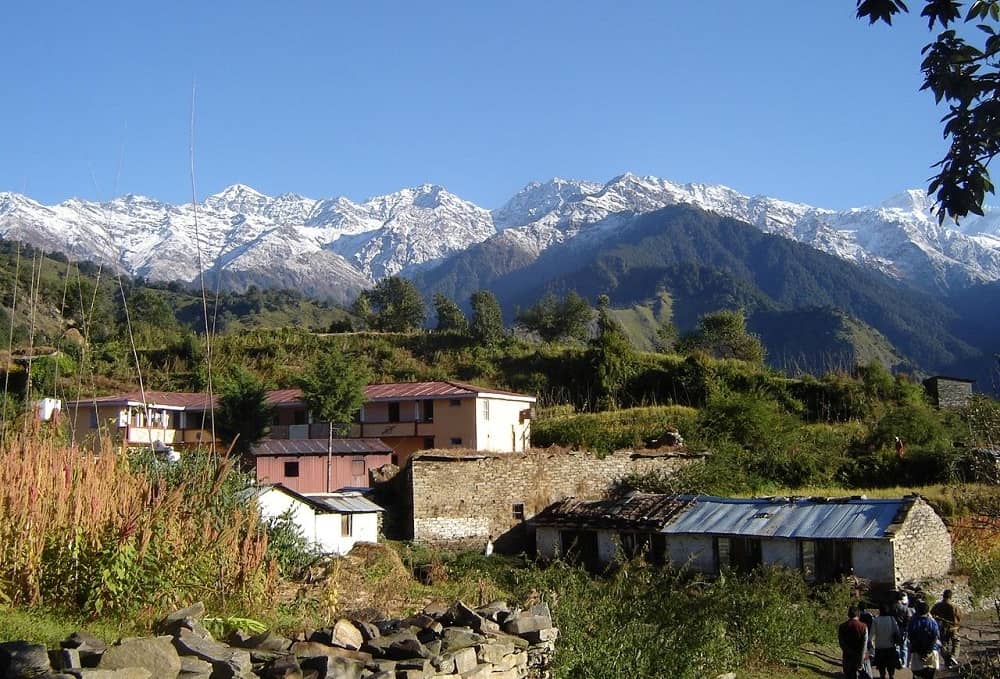
The village setting is part of the experience. The temple’s stone architecture is often compared with Kedarnath Temple, and the supplied article mentions silver images of Lord Vishnu, Goddess Lakshmi and Goddess Saraswati inside the shrine. Visitors can take time to appreciate the quiet surroundings and local religious customs.
Gauri Kund and the wider Kedarnath region are also mentioned in the source as nearby pilgrimage destinations. Check distances and access before adding extra stops to your itinerary.
How to Reach Triyuginarayan Temple
From Sonprayag
The supplied source gives different distance descriptions in different sections, including around 5 km and around 12 km, and mentions both a motorable road and trekking access. Because these details conflict, confirm the current road route, distance and trail conditions locally before departure.
From Rishikesh or Haridwar
Plan an onward road journey into the Garhwal region towards Rudraprayag, Guptkashi and Sonprayag, then continue towards Triyuginarayan. Actual travel time depends on road conditions, traffic, weather and stops. Keep your itinerary flexible in the mountains.
By air or train
The supplied source names Dehradun as the nearest airport and Rishikesh as a railway access point. Confirm current flight and train services, onward transport and road conditions before booking.
Triyuginarayan as a Wedding Destination
Couples choose Triyuginarayan because of its connection with the wedding of Shiva and Parvati. The spiritual setting makes it meaningful for those who wish to hold a traditional ceremony in a sacred Himalayan location.
Wedding registration processes, fees, required identification, consent rules and available dates may change. Contact the temple committee directly to confirm the latest procedure and permissions before making travel or accommodation bookings.
Best Reasons to Visit
- Learn about the traditional story of Shiva and Parvati’s divine wedding.
- See the Akhand Dhuni and understand its religious significance.
- Visit the kunds and the sacred Brahma Shila location associated with the wedding vows.
- Experience the village setting and mountain scenery of the Garhwal Himalayas.
- Include Triyuginarayan in a wider pilgrimage through the Rudraprayag region, after checking current road access.
Frequently Asked Questions
Why is Triyuginarayan Temple famous?
It is traditionally believed to be the place where Lord Shiva and Goddess Parvati were married, with Lord Vishnu witnessing or arranging the ceremony in the temple’s religious story.
What is the Akhand Dhuni?
The Akhand Dhuni is the sacred fire at the temple, believed in local tradition to be connected with the divine wedding.
What is Brahma Shila?
Brahma Shila is a sacred stone associated with the place where Shiva and Parvati are believed to have taken their seven wedding vows.
How far is Triyuginarayan from Sonprayag?
The supplied article gives inconsistent distances, including around 5 km and around 12 km. Confirm the current road or walking route locally before travelling.
Can couples get married at Triyuginarayan Temple?
The temple is known as a wedding destination. Confirm current permissions, fees, required documents and available dates directly with the temple committee.
Planning a Garhwal Temple Journey?
Explore the sacred places and mountain landscapes of Uttarakhand, and check current local travel information before setting out.
Editorial note: Religious stories are presented as traditional beliefs. Distances and administrative details in the source are inconsistent or may have changed, so verify them locally before travel.



Comments are closed.