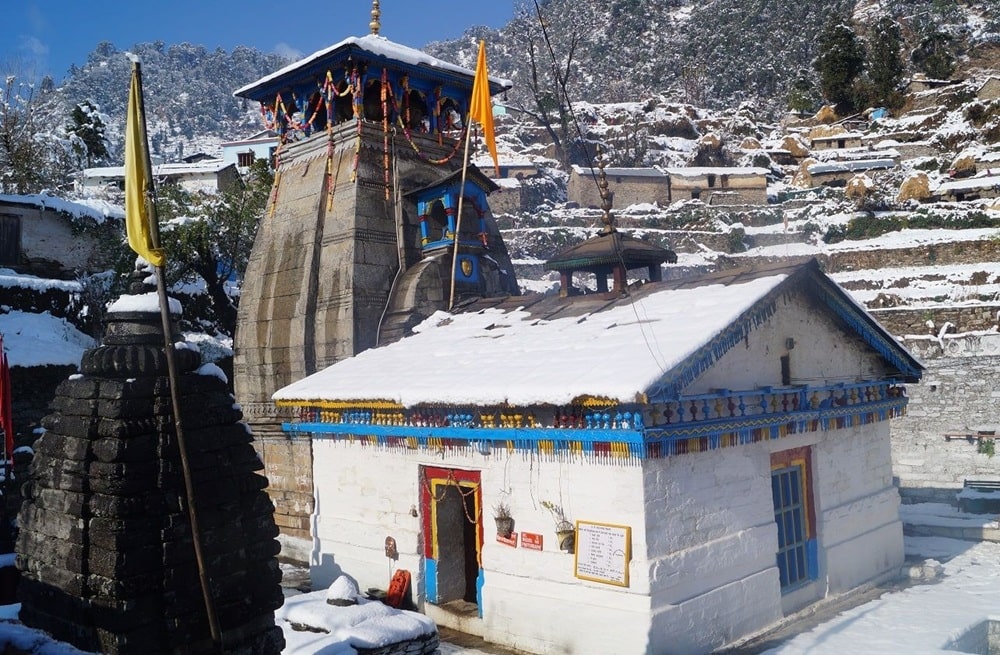
Triyuginarayan Temperature and Temple Fire: The Complete Guide
Set in the Garhwal Himalayas, Triyuginarayan Temple is known for the sacred Akhand Dhuni and the traditional story of Lord Shiva and Goddess Parvati’s wedding. This guide covers December weather, temple history, sacred kunds, access routes, local stays and food, along with practical planning tips.
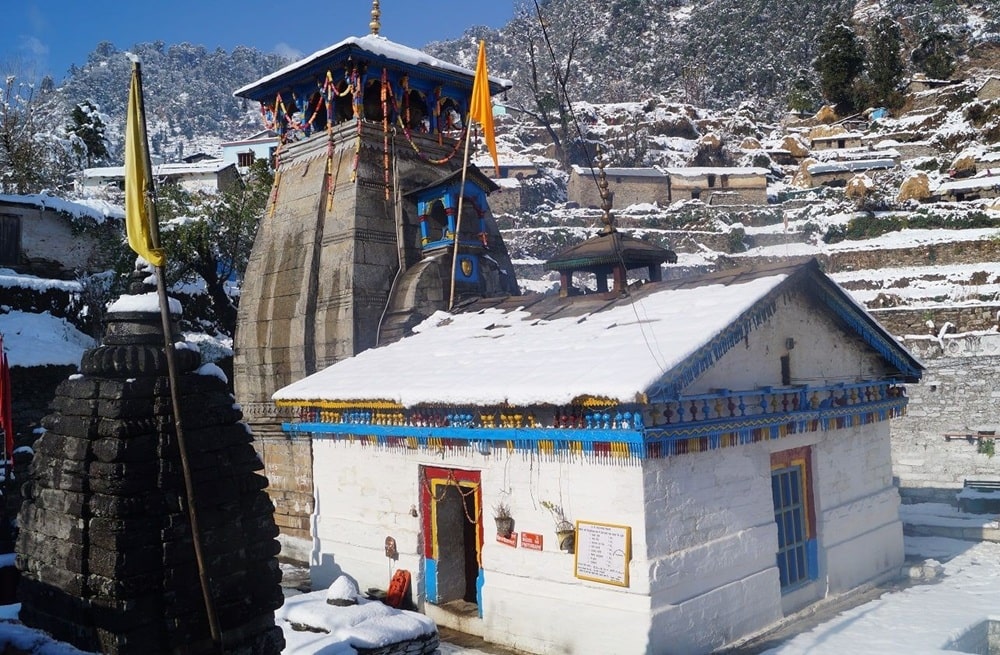
Triyuginarayan Temperature in December
The supplied article gives a typical December temperature range of around 1°C to 12°C. Days may feel brighter when the sky is clear, but mornings and evenings can be very cold in this Himalayan village. These figures are general guidance from the source, not a live forecast; actual temperatures change with the weather and year.
Pack warm layers, a thick jacket, woollen socks, a cap, scarf and gloves. Good shoes are useful around the temple and village, especially if paths are wet, icy or uneven. Check the latest local forecast and road conditions just before travelling.
Triyuginarayan Temple Fire: The Akhand Dhuni
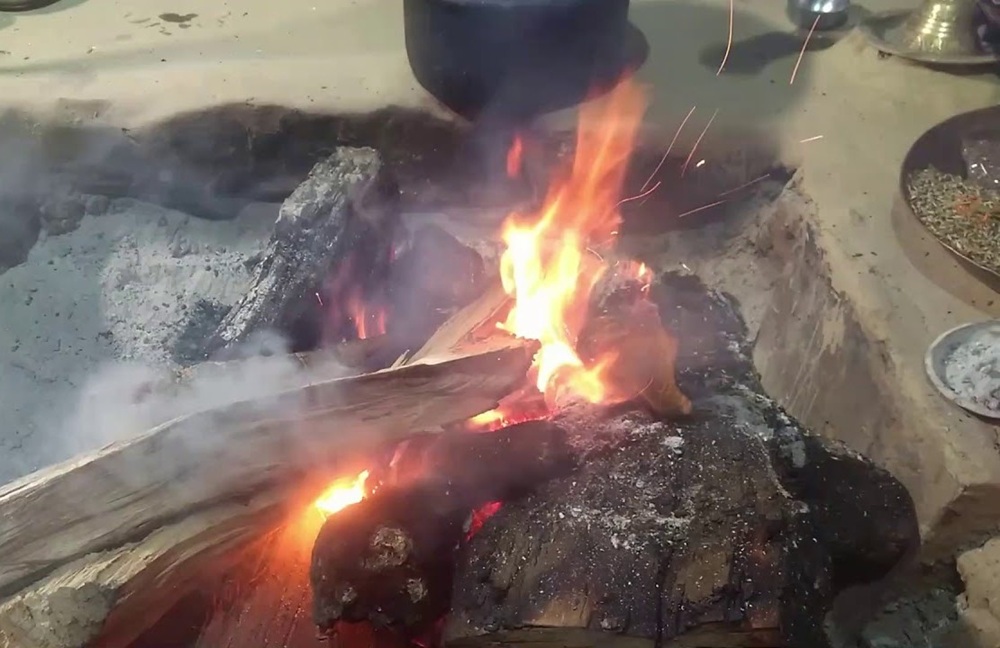
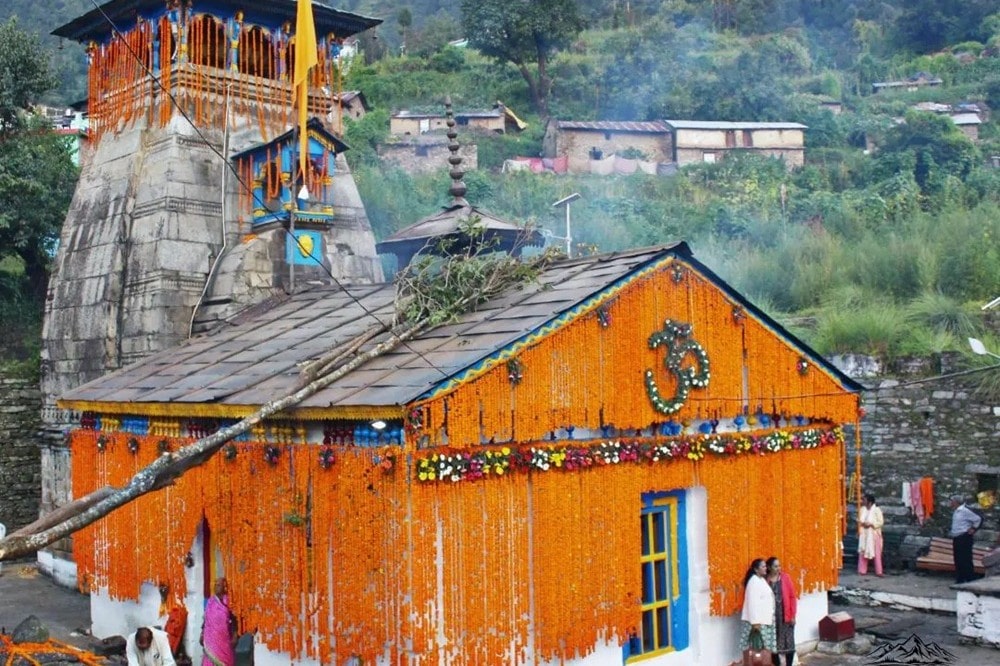
According to Hindu tradition, Lord Shiva and Goddess Parvati were married at Triyuginarayan, and the sacred fire was lit during their wedding ceremony. The flame, known as the Akhand Dhuni, is believed to have remained alive through the ages. For devotees, it represents enduring faith, marital harmony and divine blessings.
Pilgrims traditionally offer wood to the fire and may take a little sacred ash home as prasad. Visitors should follow the temple’s current instructions and never touch or interfere with the fire without permission.
Related reading: Discover Triyuginarayan Temple Agni Kund.
About Triyuginarayan Temple
Triyuginarayan is a revered Vaishnavite shrine dedicated to Lord Vishnu. The name is commonly explained as Tri (three), Yugi (ages or yugas) and Narayan (Lord Vishnu). The temple’s religious importance is closely linked with the legend of Shiva and Parvati’s celestial wedding.
In the traditional account, Lord Vishnu is described as Parvati’s brother who arranged the wedding, while Lord Brahma performed the ceremony as priest. A sacred stone called Brahma Shila is associated with the spot where the wedding rituals are believed to have taken place. These details belong to the temple’s religious tradition.
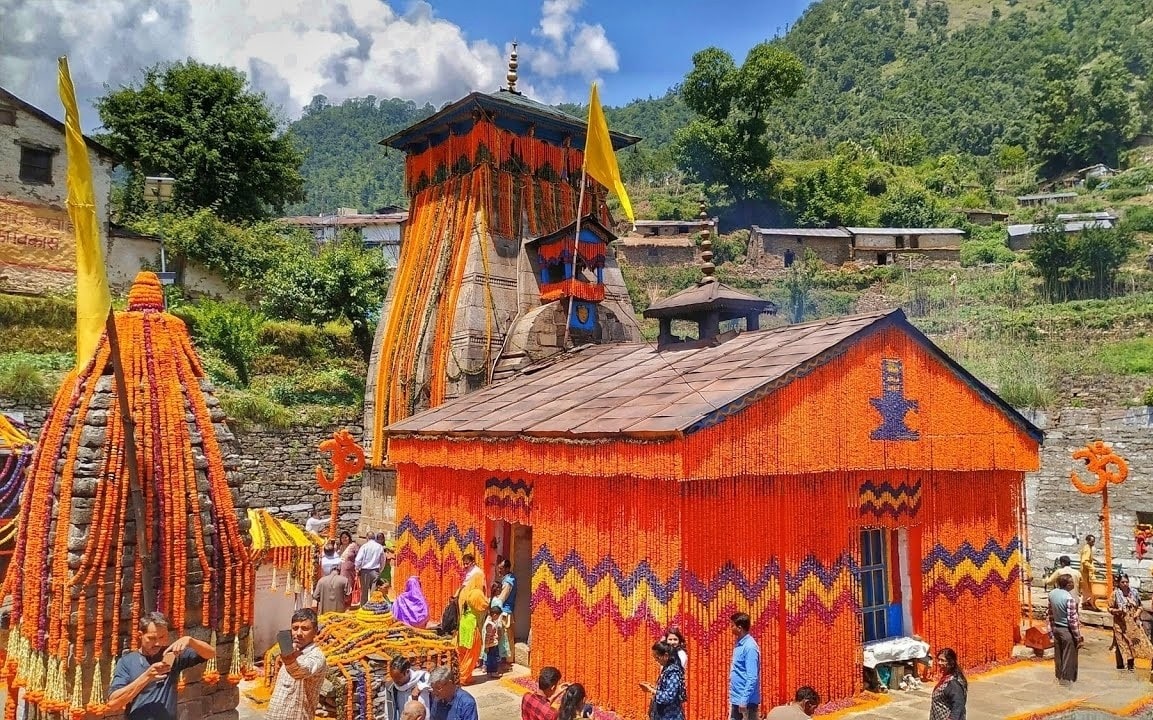
Unique Features of the Temple
Akhand Dhuni — the sacred flame
The perpetual flame is the temple’s best-known feature and is traditionally linked with Shiva and Parvati’s wedding.
Brahma Shila
This sacred stone is associated with the place where the wedding rituals are believed to have been performed.
Four sacred kunds
- Brahma Kund: Traditionally associated with sipping water.
- Rudra Kund: Traditionally associated with bathing.
- Vishnu Kund: Associated with cleansing rituals.
- Saraswati Kund: The source article says the other ponds are replenished by it and links it to a tradition involving Lord Vishnu.
Follow local guidance about water use, bathing and access to the kunds.
Himalayan temple architecture
The supplied article notes a resemblance between the temple’s structure and Kedarnath Temple. Its setting and traditional architecture add to the experience of visiting this sacred village.
Best Time to Visit Triyuginarayan
The source recommends spring and autumn for generally pleasant conditions and Himalayan views. Winter can be very cold, while mountain weather and road access may change quickly. Before choosing dates, check a current forecast, local road status and temple visiting arrangements.
How to Reach Triyuginarayan Temple
From Sonprayag
The supplied article describes a paved motorable road from Sonprayag to the temple area and also mentions a trekking route. The source gives inconsistent trek details, so confirm the current trail, distance and access locally before planning to walk.
From Sitapur
The source also mentions a walking route from Sitapur village. Treat the distance and route as unverified until you confirm current local trail information.
By road from Rishikesh or Haridwar
Travellers commonly plan a road journey through the Garhwal region towards Rudraprayag, Guptkashi and Sonprayag, then continue towards Triyuginarayan. Journey times depend on traffic, road conditions, weather and stops, so allow a flexible schedule.
Staying in Triyuginarayan
The source describes homestays and simple lodges in the village, with more accommodation options around Sonprayag and Guptkashi. Availability and facilities can change with the season, especially during busy pilgrimage periods. Book ahead and confirm heating, meals, road access and cancellation terms directly with your accommodation.
Triyuginarayan Food Guide
The supplied article mentions local dhabas and tea stalls serving North Indian dishes and Pahadi food such as Gehat Dal and Chainsoo. Food choices may be limited in a small mountain village, so check meal availability before arrival and carry snacks if you have a long road journey. The source also mentions langar on special occasions, but visitors should not assume it is available every day.
Triyuginarayan as a Wedding Destination
Couples visit the temple because of its association with Shiva and Parvati’s wedding. A ceremony here may require advance coordination with the temple committee and local service providers. Confirm current permissions, available dates, priest arrangements, guest limits, facilities and required documents before making bookings.
Why Visit Triyuginarayan?
- Experience a temple associated with the celestial wedding of Shiva and Parvati.
- Learn about the Akhand Dhuni and its role in local faith.
- See the sacred kunds and Brahma Shila tradition.
- Enjoy the mountain setting and village atmosphere of the Garhwal Himalayas.
- Explore local Pahadi food and stay in a Himalayan village.
Frequently Asked Questions
What is the temperature in Triyuginarayan in December?
The supplied article gives an approximate range of 1°C to 12°C. Actual weather varies, so check a current forecast before travelling.
Why is the Triyuginarayan Temple fire famous?
The Akhand Dhuni is traditionally believed to have been lit during Shiva and Parvati’s wedding and to have remained burning through the ages.
What is the altitude of Triyuginarayan Temple?
The supplied source states an altitude of about 1,980 metres above sea level.
Can I drive to Triyuginarayan Temple?
The source describes a motorable road from Sonprayag. Confirm current road conditions and local vehicle access before departure.
Can couples get married at Triyuginarayan Temple?
The temple is known as a wedding destination. Confirm current rules, registration, fees, required documents and available dates directly with the temple committee.
Where can visitors stay and eat?
The source mentions homestays and lodges in the village, more options around Sonprayag and Guptkashi, and local dhabas and tea stalls. Availability can vary by season.
Planning a Uttarakhand Temple Trip?
Explore the sacred places and mountain landscapes of the Garhwal region. Check current weather and road conditions before you travel.
Editorial note: Religious stories are described as traditional beliefs. Temperature figures and travel details are approximate source information, not live conditions. Confirm all time-sensitive details locally before travel.


Comments are closed.