Who Is Mahavatar Babaji? His Spiritual Legacy, Rajinikanth Connection and Babaji Cave
Who is Mahavatar Babaji, and why does his name inspire spiritual seekers around the world? Revered in the Kriya Yoga tradition as an extraordinary Himalayan yogi, Mahavatar Babaji is associated with the teachings passed to Lahiri Mahasaya and later introduced to a worldwide audience through Paramahansa Yogananda’s book, Autobiography of a Yogi.
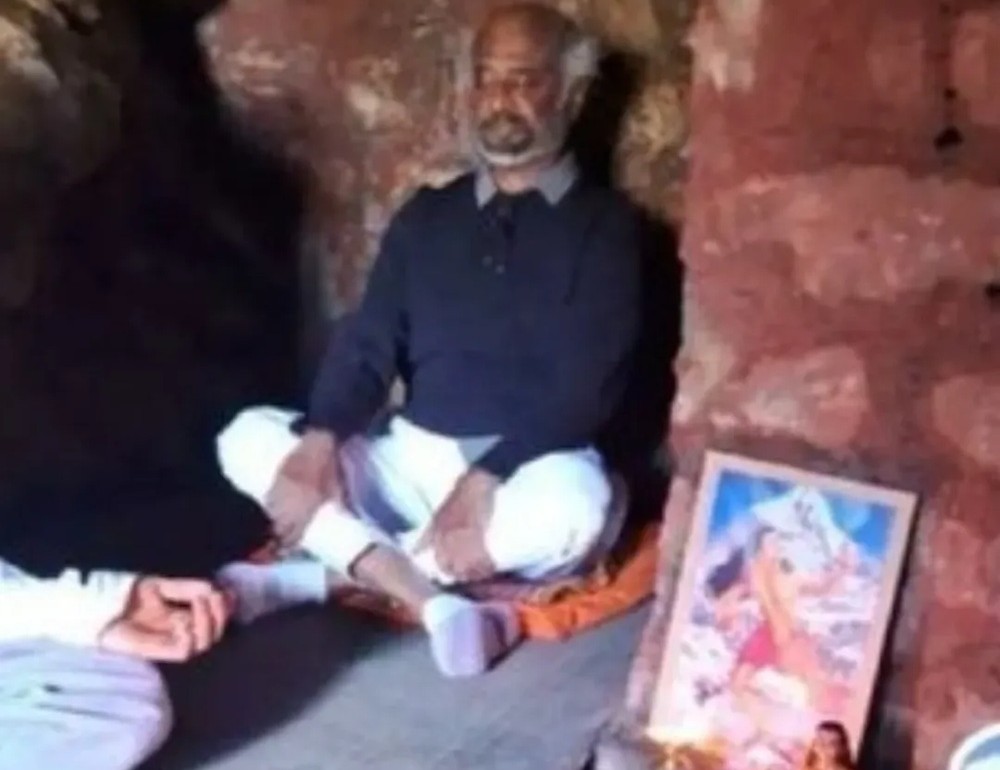
His spiritual legacy has also drawn attention to the Himalayas of Uttarakhand, particularly the meditation cave near Dwarahat that is associated with his name. The place has become a destination for devotees, yoga practitioners and travellers interested in Himalayan spirituality. Indian film star Rajinikanth is also widely associated with devotion to Babaji and visits to the cave.
Revered Himalayan yogi in the Kriya Yoga tradition
A meditative spiritual discipline
Gateway to the Babaji Cave pilgrimage
Who Is Mahavatar Babaji?
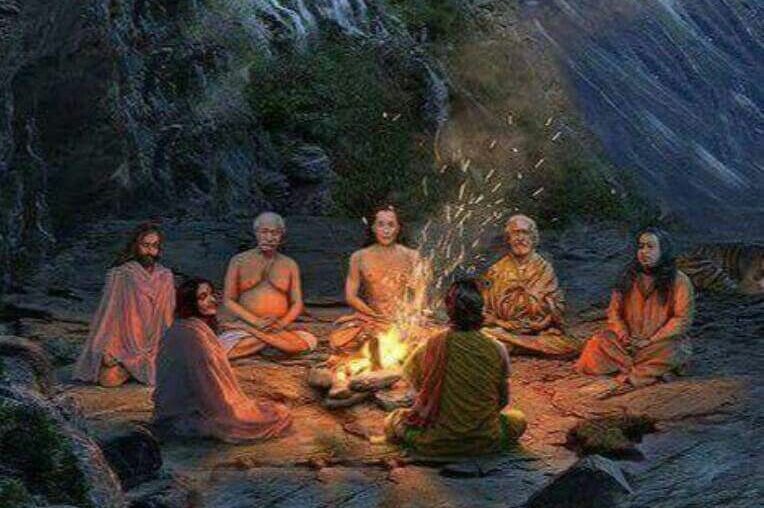
Mahavatar Babaji is a revered spiritual figure in the Kriya Yoga lineage. In accounts shared by practitioners of this tradition, he is described as an advanced Himalayan yogi who guides sincere seekers towards spiritual awakening. His teachings are particularly associated with the revival and transmission of Kriya Yoga through Lahiri Mahasaya.
Unlike many historical spiritual teachers, Babaji’s life is not documented through conventional biographies with independently established birth and death dates. Much of what devotees know about him comes from spiritual literature, accounts attributed to his disciples and the teachings of Paramahansa Yogananda.
Within this tradition, Babaji is often described as an ever-young or immortal yogi who remains in the Himalayas. These descriptions express the spiritual beliefs of his followers rather than independently verified historical facts.
Why Is Mahavatar Babaji Important?
- Spiritual guide: He is regarded as the guru who initiated Lahiri Mahasaya into Kriya Yoga.
- Kriya Yoga lineage: His name is central to a tradition that has spread through teachers and spiritual organisations.
- Himalayan spirituality: Stories about Babaji have inspired seekers to explore meditation and the spiritual heritage of the Himalayas.
- Global recognition: Accounts in Autobiography of a Yogi helped introduce his story to readers worldwide.
The History and Spiritual Significance of Mahavatar Babaji
The story of Mahavatar Babaji is rooted in the oral and written traditions of Kriya Yoga. Devotees describe him as a master whose spiritual work extends beyond ordinary ideas of time and physical life. His reported encounters with disciples form an important part of the lineage’s spiritual literature.
One of the best-known accounts concerns Lahiri Mahasaya, who is said to have encountered Babaji in the Himalayan region near Ranikhet in the nineteenth century. In the traditional account, Babaji initiated him into Kriya Yoga and encouraged him to practise and share its teachings while continuing his life as a householder.
Stories about Babaji also appear in Paramahansa Yogananda’s Autobiography of a Yogi, a widely read spiritual work that describes the Kriya Yoga lineage and the experiences attributed to its teachers.
Mahavatar Babaji and Lahiri Mahasaya
Lahiri Mahasaya occupies a central place in the modern history of Kriya Yoga. According to the traditional account, he met Mahavatar Babaji in the Himalayas while working in the region of Ranikhet. This encounter is remembered as the moment when he received initiation into Kriya Yoga.
The tradition describes Babaji as encouraging Lahiri Mahasaya to bring spiritual practice into everyday life rather than limiting it to people who had renounced the world. Lahiri Mahasaya subsequently taught Kriya Yoga to disciples, helping establish a lineage that continued through later spiritual teachers.
This relationship is one of the most important reasons Mahavatar Babaji is remembered today. His influence is understood through the teachings, practices and personal accounts preserved by the Kriya Yoga tradition.
Paramahansa Yogananda, Mahavatar Babaji and Kriya Yoga
Paramahansa Yogananda introduced many international readers to Mahavatar Babaji through his book Autobiography of a Yogi. In the book, Babaji is presented as a Himalayan master connected with the preservation and transmission of Kriya Yoga.
Yogananda also describes the spiritual lineage connecting Babaji, Lahiri Mahasaya and Sri Yukteswar. Through this lineage, Kriya Yoga became known to a wider audience in India and abroad.
What Is Kriya Yoga?
Kriya Yoga is a meditative discipline associated with breath, concentration and spiritual development. Its practices and initiation procedures vary according to the particular lineage. In the tradition associated with Yogananda, it is presented as a path towards deeper self-awareness and communion with the Divine.
Kriya Yoga is not simply a physical exercise routine. Those wishing to learn its formal techniques should consult an established lineage or authorised teacher and follow the instruction appropriate to that tradition.
The teachings associated with Babaji continue to inspire people interested in meditation, yoga philosophy and Himalayan spiritual heritage.
Rajinikanth’s Connection with Mahavatar Babaji
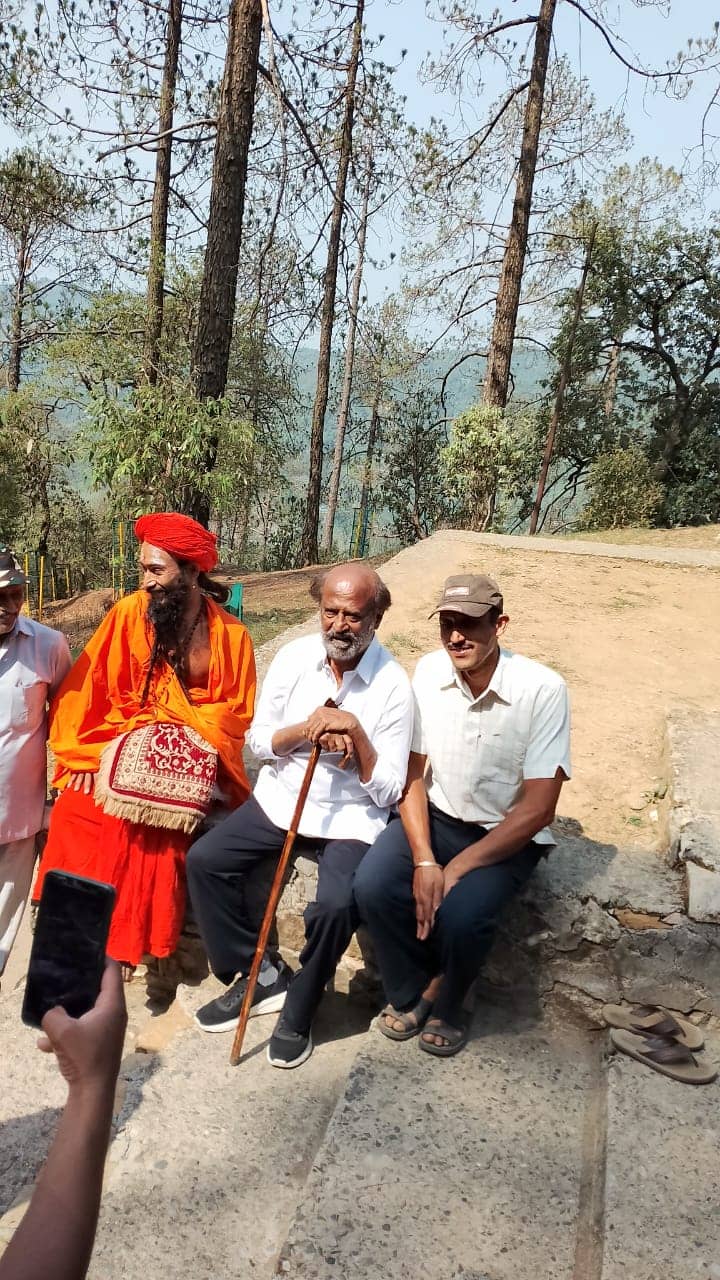
Rajinikanth, one of the most recognisable actors in Indian cinema, is also known for his interest in spirituality and Himalayan pilgrimages. His association with Mahavatar Babaji has attracted attention from fans who are curious about the spiritual influences behind his personal life.
Rajinikanth has been associated in public reporting and popular accounts with visits to the Babaji Cave near Dwarahat, Uttarakhand. The cave is connected with the Kriya Yoga tradition, and devotees visit the area for meditation, prayer and reflection.
Why Is Rajinikanth Associated with Babaji Cave?
The connection reflects the interest of many spiritual seekers in the Himalayan tradition associated with Babaji. Rajinikanth’s public image as a spiritually inclined person has helped bring additional attention to the cave and the surrounding region.
Stories circulating among fans sometimes link his visits with film releases or personal spiritual practices. Specific claims about the timing or frequency of individual visits should be treated cautiously unless supported by reliable reporting.
The Film Baba and Mahavatar Babaji
Rajinikanth’s film Baba is frequently discussed in connection with spirituality and themes of faith, destiny and inner transformation. It has contributed to public interest in the spiritual ideas associated with the actor.
However, the film’s themes and Rajinikanth’s spiritual interests should not be taken as proof of every claim circulating about his personal relationship with Babaji. It is best to distinguish the film’s story, public reporting and the religious beliefs of devotees.
Mahavatar Babaji Cave Near Dwarahat, Uttarakhand
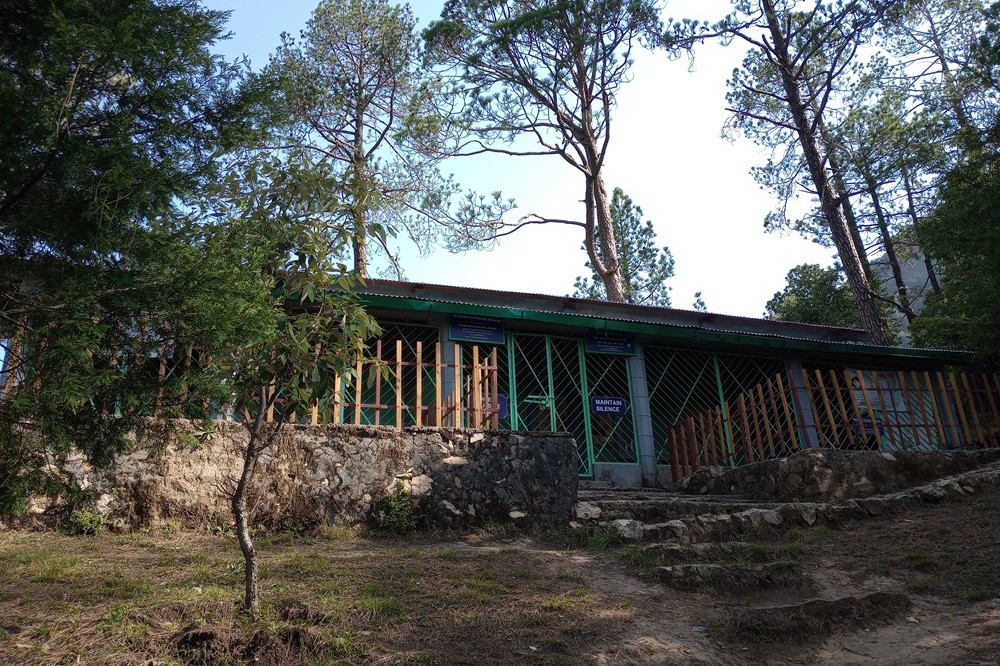
The Mahavatar Babaji Cave is a well-known destination among devotees of the Kriya Yoga tradition. It is located in the Himalayan region near Dwarahat in Almora district, Uttarakhand. Spiritual seekers visit the area to meditate, spend time in nature and reflect on the teachings associated with Babaji.
The cave is closely associated with the traditional account of Babaji’s meeting with Lahiri Mahasaya. The Yogoda Satsanga Society of India, associated with the teachings of Paramahansa Yogananda, maintains a meditation retreat in the region connected with this tradition.
Why Do Spiritual Seekers Visit Babaji Cave?
- Meditation: Visitors seek a quiet setting for contemplation and spiritual practice.
- Kriya Yoga heritage: The location is associated with the traditional account of Babaji and Lahiri Mahasaya.
- Himalayan scenery: The surrounding mountain landscape offers an opportunity to experience the quieter side of Uttarakhand.
- Pilgrimage: Devotees visit to honour the spiritual lineage connected with Mahavatar Babaji.
The cave is a pilgrimage destination, not a conventional tourist attraction with guaranteed access at all times. Visitors should verify the current approach route, local guidance, access arrangements and any restrictions before travelling.
Read more about the Yogoda Satsanga Society centre near Dwarahat and its connection with the area’s spiritual heritage.
What Does Mahavatar Babaji Look Like?
Descriptions of Mahavatar Babaji come mainly from accounts attributed to spiritual teachers and devotees. He is often portrayed as youthful, with long hair and a radiant appearance. Some traditional descriptions say that his appearance may vary.
Accounts associated with the Kriya Yoga lineage describe Babaji as an extraordinary yogi whose physical age is not understood in ordinary terms. Devotees interpret these descriptions as expressions of his spiritual attainment and immortality.
There is no independently verified photographic record that establishes Babaji’s appearance. Images circulating online should therefore be treated as artistic representations or devotional imagery rather than authenticated photographs of him.
Can You See Mahavatar Babaji Today?
In the tradition, Babaji is believed to reveal himself only to certain spiritual seekers. Devotees may regard prayer, meditation and sincere spiritual practice as ways to deepen their connection with his teachings.
Such encounters are matters of personal belief and spiritual testimony. Visiting the cave does not guarantee a vision or a supernatural experience. Many people make the journey simply to meditate, learn about Kriya Yoga and experience the Himalayan setting.
How to Visit Mahavatar Babaji Cave in Dwarahat
Planning a visit to Babaji Cave requires some preparation because the destination lies in a mountainous part of Uttarakhand. Road conditions, walking routes, weather and local access arrangements can affect the journey.
Where Is Babaji Cave Located?
The cave is associated with the Dwarahat region of Almora district in Uttarakhand. Travellers commonly plan the journey as part of a wider spiritual tour through the Kumaon Himalayas.
Travel Planning Tips
- Confirm the current route and access arrangements before departure.
- Allow sufficient time for mountain roads and possible walking sections.
- Wear comfortable shoes suitable for uneven terrain.
- Carry water, weather-appropriate clothing and essential medicines.
- Respect the meditation environment and any instructions provided by local caretakers.
- Ask permission before photographing people or restricted areas.
- Check local weather conditions, particularly during heavy rain or winter.
Explore the Spiritual Heritage of Uttarakhand
If you are planning a longer pilgrimage, you can explore other spiritual destinations around Dwarahat and the Kumaon region. Depending on your itinerary, the journey may include local temples, meditation centres and Himalayan viewpoints.
Discover more through our spiritual Uttarakhand tour to Babaji Cave.
The Lasting Legacy of Mahavatar Babaji
Mahavatar Babaji remains an influential figure for people interested in Kriya Yoga, meditation and Himalayan spirituality. His story is preserved through the teachings of Lahiri Mahasaya, the writings of Paramahansa Yogananda and the devotional practices of followers around the world.
His importance lies not only in stories about immortality or miraculous encounters, but also in the spiritual tradition with which his name is associated. For many devotees, Babaji represents the possibility of inner transformation through disciplined practice, meditation and a deeper search for spiritual understanding.
The Babaji Cave near Dwarahat provides a physical destination where visitors can learn about this heritage and experience the Himalayan environment that features so prominently in the tradition.
Frequently Asked Questions About Mahavatar Babaji
Who is Mahavatar Babaji?
Mahavatar Babaji is a revered Himalayan yogi in the Kriya Yoga tradition. He is regarded as the spiritual guide who initiated Lahiri Mahasaya into Kriya Yoga, according to traditional accounts.
What is Mahavatar Babaji famous for?
He is known for his association with Kriya Yoga, stories of his Himalayan spiritual life and his place in the teachings described in Paramahansa Yogananda’s Autobiography of a Yogi.
What is Rajinikanth’s connection with Mahavatar Babaji?
Rajinikanth is known for his spiritual interests and has been associated in public accounts with visits to Babaji Cave near Dwarahat. Specific claims about the timing and frequency of his visits should be checked against reliable reporting.
Where is Mahavatar Babaji Cave located?
The cave is associated with the Dwarahat region in Almora district, Uttarakhand, in the Kumaon Himalayas.
Can tourists visit Babaji Cave?
Visitors and spiritual seekers travel to the area, but access conditions and local arrangements can vary. Confirm the current route, permission requirements and guidance before making the journey.
Did Mahavatar Babaji teach Kriya Yoga to Lahiri Mahasaya?
According to the Kriya Yoga tradition, Babaji initiated Lahiri Mahasaya into the practice in the Himalayan region near Ranikhet. This account is central to the lineage’s spiritual history.
Is Mahavatar Babaji immortal?
Devotees in the Kriya Yoga tradition revere Babaji as an immortal or ever-young yogi. Immortality is a spiritual belief in this tradition, not an independently verified historical fact.
Which book discusses Mahavatar Babaji?
Paramahansa Yogananda’s Autobiography of a Yogi is one of the best-known books describing Babaji and the Kriya Yoga lineage.
What is the connection between Babaji and the Himalayas?
Traditional accounts place Babaji in the Himalayan region and associate him with spiritual guidance, meditation and Kriya Yoga. The mountains are central to the way his story is told by devotees.
Plan Your Spiritual Journey to Babaji Cave
Explore the Himalayan spiritual heritage of Dwarahat and learn more about the cave associated with Mahavatar Babaji and the Kriya Yoga tradition.
Discover our spiritual Uttarakhand tour to Babaji Cave and prepare for a respectful, well-planned visit.
Editorial note: Descriptions of Mahavatar Babaji’s immortality, appearance and supernatural abilities are presented as beliefs and accounts within the Kriya Yoga tradition. Verify local access information before visiting Babaji Cave.

Comments are closed.