Rishikesh to Vashishta Gufa Distance and Best Timings
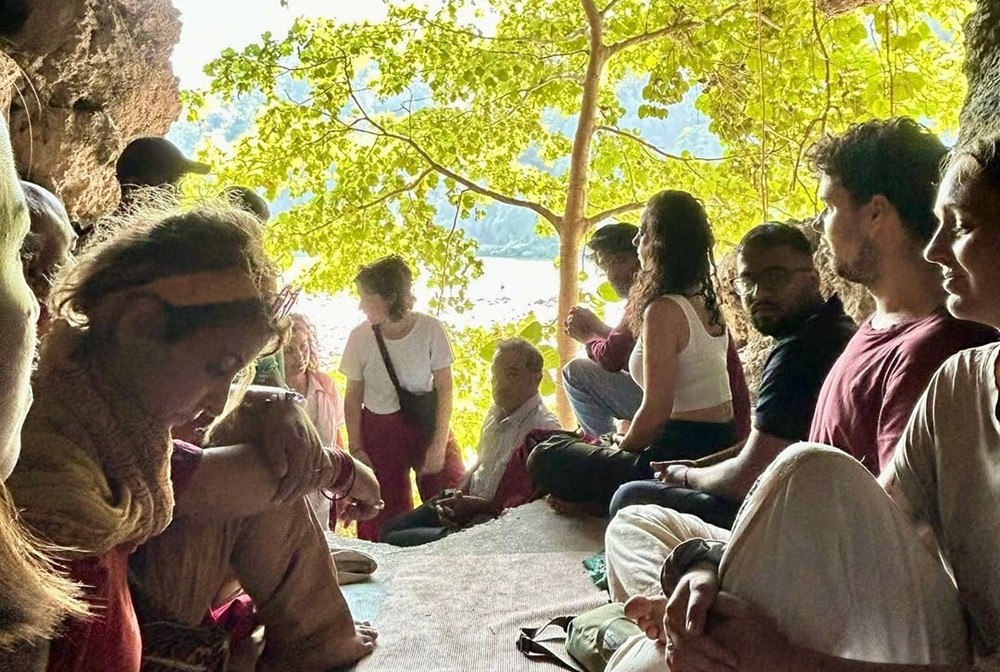
Vashishta Gufa, also called Vashishta Cave or Vashisht Gufa, is a quiet riverside spiritual site on the Ganga. This guide covers the reported distance from Rishikesh, opening hours, the cave’s traditions, nearby Arundhati Cave and practical advice for visitors.
Rishikesh to Vashishta Gufa Distance
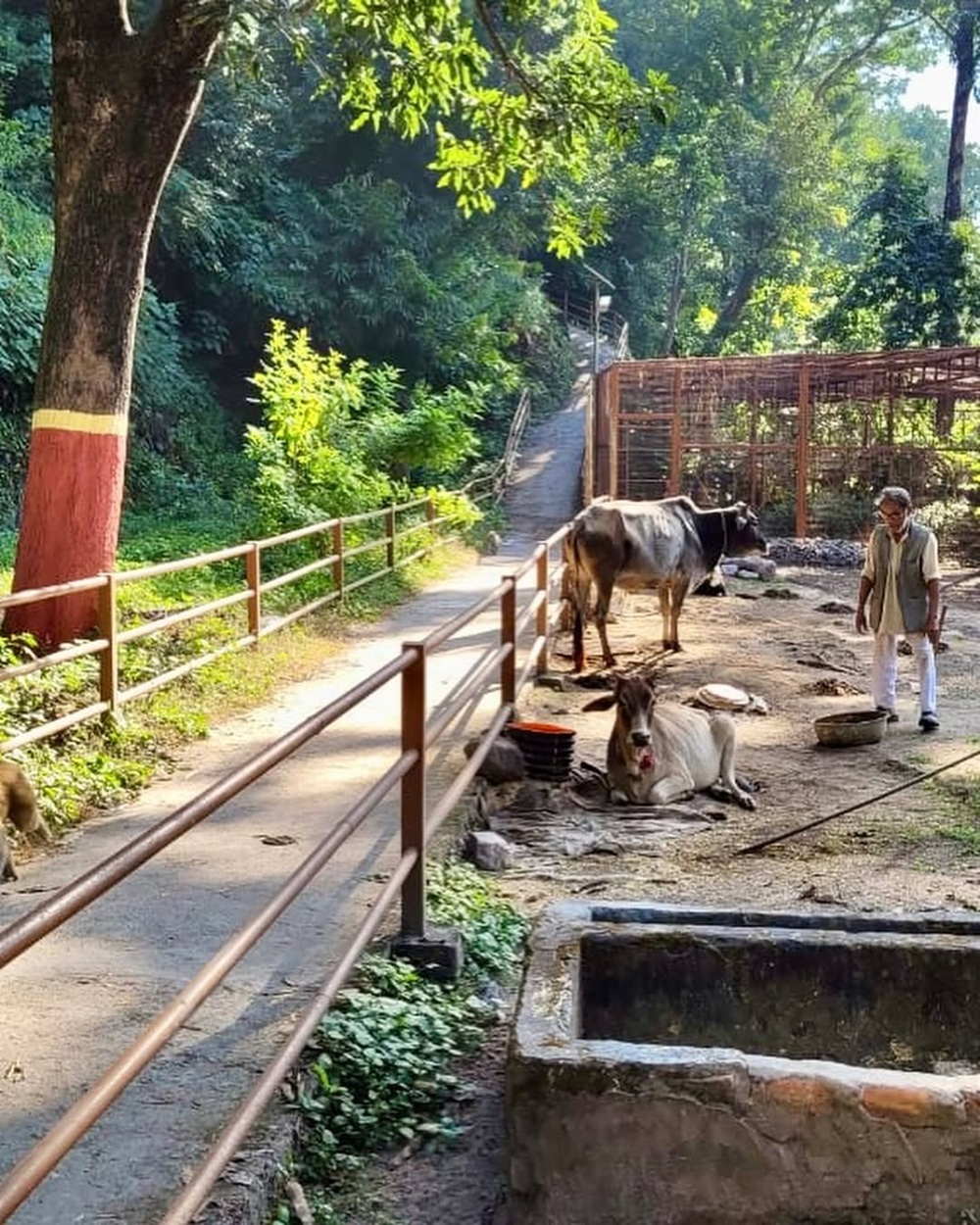
Vashishta Gufa is described as being approximately 22 kilometres by road from Rishikesh. The drive follows the Ganga valley towards Devprayag along the Badrinath route. The exact journey time depends on your starting point in Rishikesh, traffic, road conditions and stops along the way.
By private car or taxi
A private car or taxi is a convenient option for visitors who want flexibility. Ask the driver to confirm the current route and drop-off point near the ashram.
What to plan for
Allow extra time for the winding riverside road, walking between the parking/drop-off area and the cave, and a quiet visit. Avoid planning your arrival close to the midday closure.
History of Vashishta Gufa
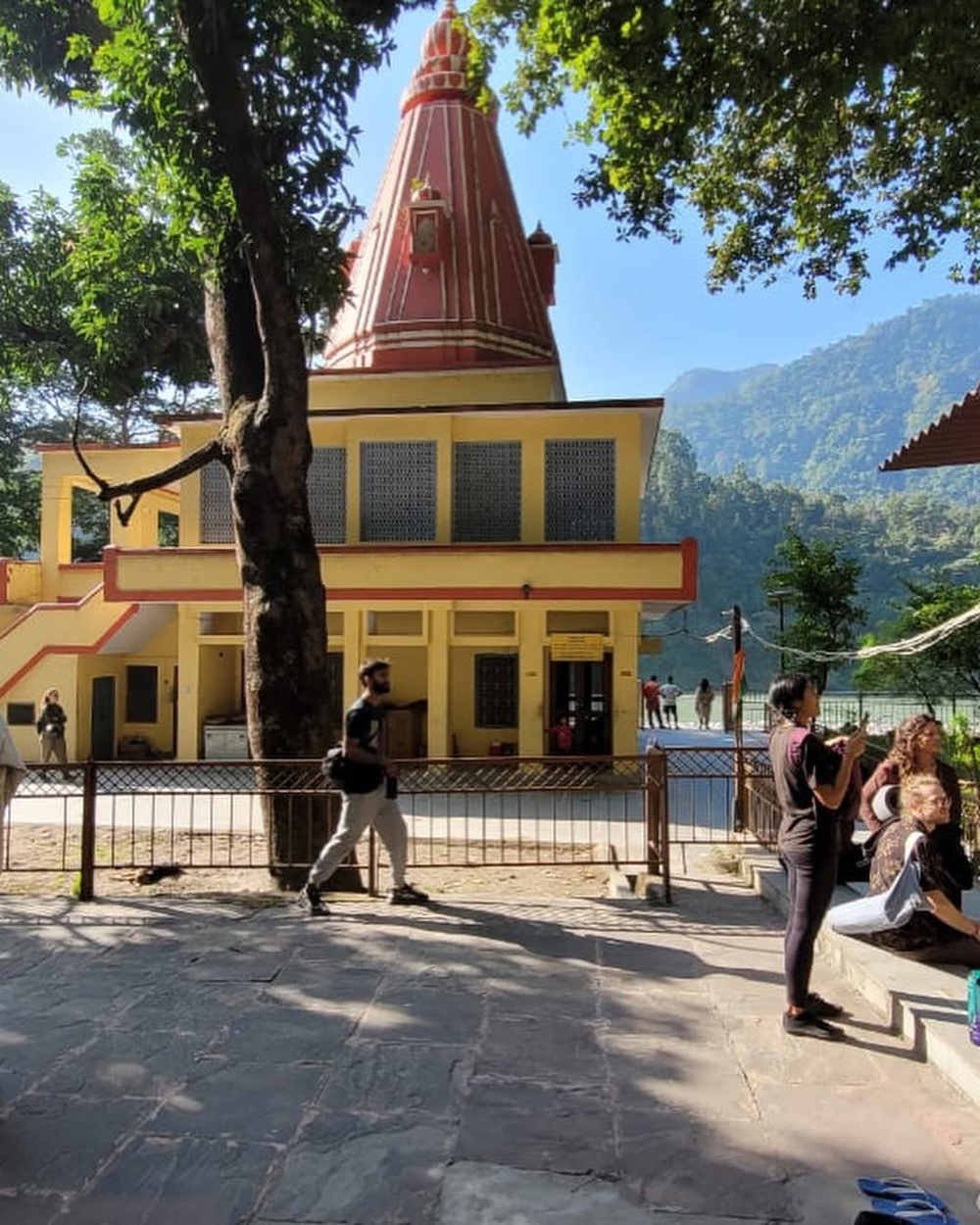
According to Hindu tradition, the cave is associated with Sage Vashistha, revered as the spiritual teacher of Lord Rama. Local religious accounts connect the surrounding area with meditation, austerity and the legacy of ancient sages. These stories form an important part of the site’s spiritual significance, though traditional accounts should not be treated as independently verified archaeological dates.
The supplied account says that Swami Purushottamananda took responsibility for the cave and ashram around 1930. The site later became associated with Vashishtha Yoga Ashram and continues to attract visitors seeking a peaceful place for reflection beside the Ganga.
Vashishta Gufa Timings
The visiting schedule reported in the supplied article is split into two daily slots:
Morning
8:00 AM to 1:00 PM
Visitors may enter the cave during the reported morning opening period.
Afternoon
3:00 PM to 6:00 PM
The cave is reported to close between 1:00 PM and 3:00 PM.
Timings may change for ashram activities, religious observances or local circumstances. Please verify the schedule before travelling, especially on holidays.
Arundhati Cave
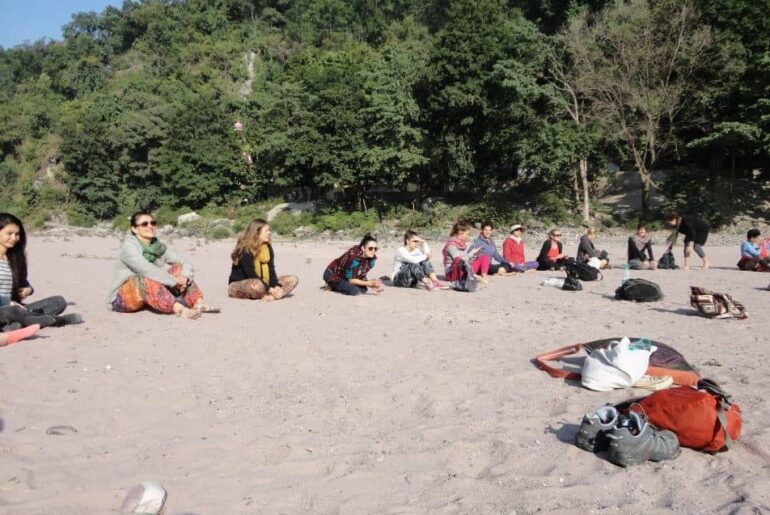
Arundhati Cave is described as a nearby cave associated in Hindu tradition with Arundhati, the wife of Sage Vashistha. Some visitors also refer to it as Jesus Cave, reflecting a modern spiritual tradition linked to stories about Jesus’ supposed travels in India. Those stories are not established historical fact, so it is best to understand them as part of the site’s spiritual folklore.
Visitors come to the area for quiet contemplation, the river scenery and the sense of retreat away from the busier parts of Rishikesh. Please respect the ashram environment and any restrictions on photography or conversation inside the caves.
Who Was Maharshi Vashistha?
Maharshi Vashistha is one of the revered sages in Hindu literature and is traditionally described as the spiritual preceptor of Lord Rama. He is associated with the Vedic tradition, the Ramayana and later Puranic literature, and is counted among the Saptarishis in Hindu accounts.
Texts and traditions contain different genealogies and stories about sages named Vashistha. These accounts reflect the layered nature of India’s religious and literary heritage, and not every detail can be reduced to a single, universally agreed historical biography.
Vashistha and Vishwamitra
The rivalry between Vashistha and Vishwamitra is a well-known story in Hindu tradition. In popular retellings, Vishwamitra encounters Vashistha’s spiritual power and the divine cow Kamadhenu, and the episode becomes a lesson about spiritual discipline being greater than physical power. Versions of this story appear across traditional literature, with details varying by text.
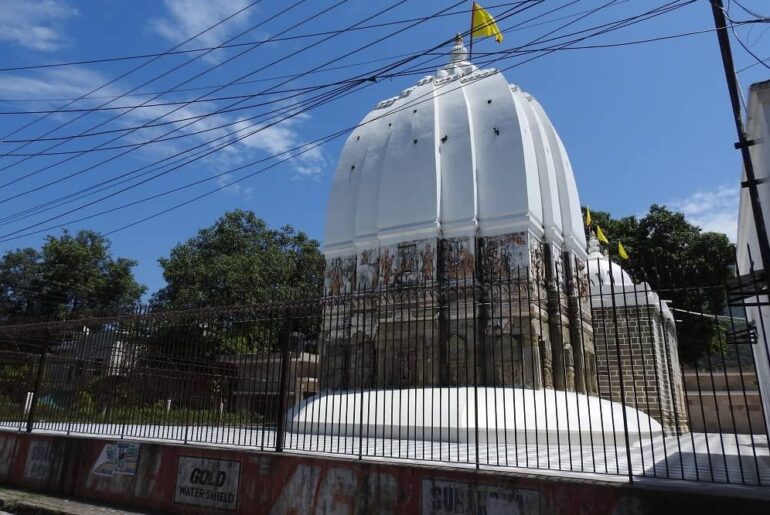
Visit the Ancient Temples of Rishikesh
If you have extra time before or after visiting Vashishta Gufa, Rishikesh has several temples with longstanding religious importance. The supplied article mentions Veerbhadra Mahadev Temple, Chandreshwar Mahadev Temple, Someshwar Mahadev Temple and Bharat Mandir.
- Bharat Mandir: An important historic temple in central Rishikesh, traditionally associated with Lord Vishnu.
- Veerbhadra Mahadev Temple: A temple dedicated to Lord Shiva.
- Chandreshwar Mahadev Temple: Another local Shiva shrine.
- Someshwar Mahadev Temple: A temple associated with Shiva worship.
Plan these visits according to your available time and check local opening hours before travelling.
Practical Tips for Visitors
- Arrive with enough time before the reported midday closure.
- Wear comfortable shoes for the approach and any steps or uneven ground.
- Keep your voice low and follow instructions from ashram staff.
- Do not assume photography is permitted inside the meditation cave; ask first and obey posted rules.
- Be careful near the riverbank, especially when the water is high or the rocks are slippery.
- Carry drinking water and take any rubbish back with you.
- Confirm current timings and transport arrangements locally before departure.
Frequently Asked Questions
How far is Vashishta Gufa from Rishikesh?
It is reported to be about 22 kilometres by road from Rishikesh. The actual distance and travel time depend on your starting point and route.
What are Vashishta Gufa’s opening hours?
The supplied article reports 8 AM to 1 PM and 3 PM to 6 PM. Confirm locally because schedules may change.
Is Vashishta Gufa a meditation place?
Yes. Visitors come for meditation, prayer and quiet reflection. Respect the peaceful atmosphere and follow the ashram’s rules.
Is Arundhati Cave close to Vashishta Gufa?
The article describes Arundhati Cave as a nearby cave associated with Sage Vashistha’s wife in Hindu tradition.
Can I take photographs inside the cave?
Do not assume photography is allowed. Ask the ashram staff and follow any signs or restrictions.




Comments are closed.