
Devprayag Sangam Ghat: Discover 2 Rivers Name & View Point
Let’s take a tour of the best among the Panch Prayags, Devprayag Sangam. We introduce you to the social, cultural, historical, and mythological aspects of Devprayag. This is the place where the Alaknanda and Bhagirathi rivers relinquish their names and merge to manifest as the holy river Ganga. Another attraction here is the ancient Raghunath Temple Devprayag, where Lord Vishnu is worshipped in the form of Ram.
Best among Panch Prayags – Devprayag
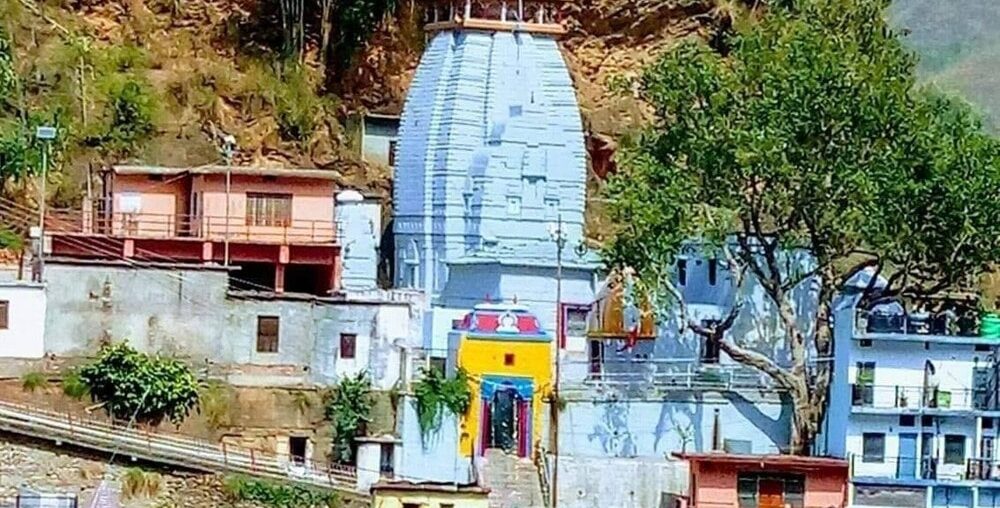
Located 70 km from Rishikesh, the town of Devprayag has not lost its ancient grandeur even in the modern era. The ancient Raghunath Temple is situated in this town. Positioned on a raised platform in the upper part of the town, this 80-foot-tall temple made from large, cement-less stones was built 1700 to 2000 years ago.
It is said that Shankar, the guru of King Shyampal (722-782 AD) of the Panwar dynasty of Dharanagari, used wood to construct the temple’s shikhara (spire). Guru Shankar and Adi Shankaracharya belong to the 8th century. Due to changes in the temple’s spire, folklore says the temple was constructed by Shankaracharya himself.
Dev Prayag Sangam
Devaprayag Sangam is the place where Bhagirathi and Alaknanda meet, it is a town located at meeting point of the Alaknanda and Bhagirathi rivers. It sits at an altitude of 472 meters and is along the main road connecting Rishikesh to Badrinath, Devprayag Sangam NH 58 Devprayag Uttarakhand and about 87 km from Narendra Nagar town.
- This town is the administrative center of its tehsil and is considered one of the five sacred confluences (Prayags) of the Alaknanda river.
- The confluence of Bhagirathi and Alaknanda is known as Devprayag Sangam.
- Devprayag Sangam distance from Rishikesh is about 75 km by road which takes around 2 hours to reach in private vehicle
Devprayag Sangam Story:
Devaprayag is named after Sage Dev Sharma, who spent years in meditation here and was blessed with a vision of God. Alaknanda and Bhagirathi, giving birthname to the mighty Ganges River. This meeting point is fondly referred to as Devprayag Sangam.
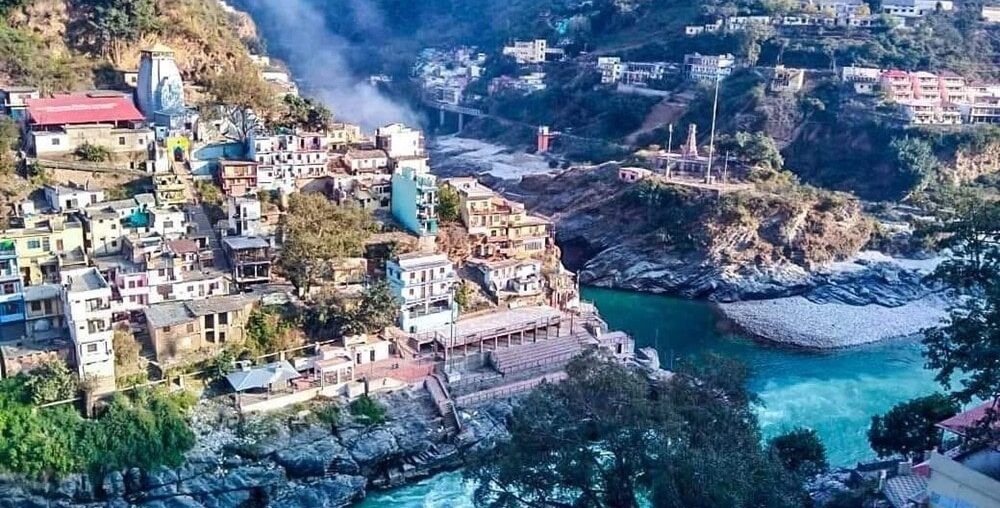
Devprayag Sangam Photo Uttarakhand
Why Famous ( Devprayag Sangam)
- Pancha Prayag of Uttarakhand: Devaprayag is one of the five sacred confluences in Uttarakhand, known as the Pancha Prayag. The other four are Rudraprayag, Karnaprayag, Nandaprayag, and Vishnuprayag.
- Sage Dev Sharma’s Penance: The town is named after Sage Dev Sharma, who meditated here and achieved a vision of God.
- Presence of Sri Rama: According to tradition, King Dasharatha and Sri Rama meditated in Devaprayag.
- Divya Desam: Devaprayag is also one of the Divya Desams, which are revered holy places mentioned in ancient texts. (Thirukandamennum Katinagar).
- Alaknanda river starts its journey from the Satopanth Glacier near Badrinath, the Alaknanda River joins forces with the Bhagirathi River, which originates from the Gangotri Glacier in the Himalayas.
- Devprayag Sangam river name are Bhagirathi and Alkananda: The union of these two rivers at Devprayag is holy and soul cleansing place.
Suggested Read: Sleep by the Ganges: Best Stays in Rishikesh: Om Homestay
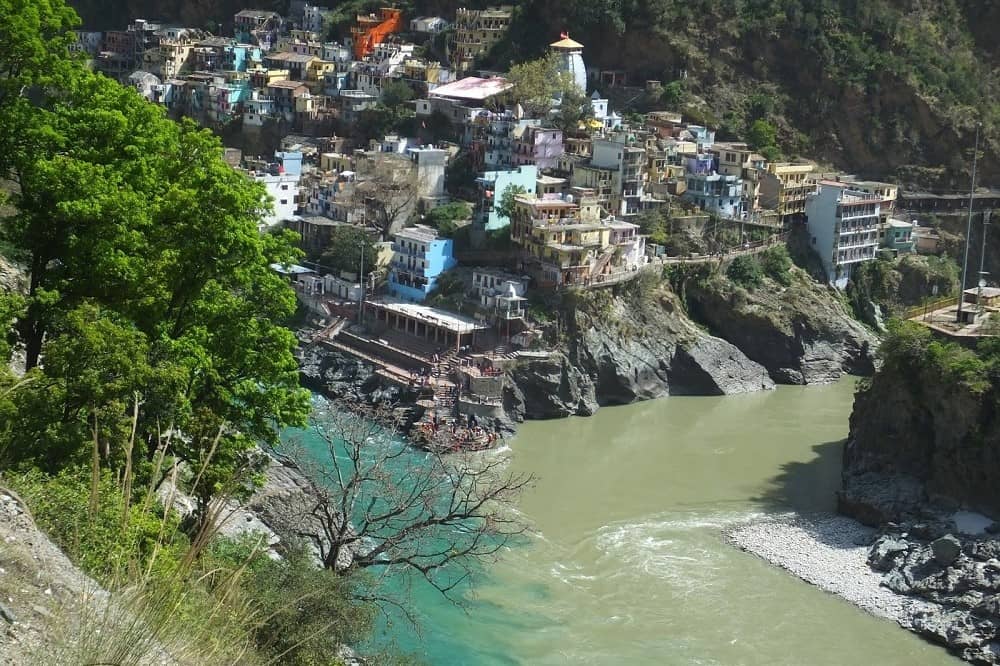
Raghunath Temple Devprayag
In the sanctum of Raghunath Temple, there is a six-foot-high Chaturbhuj (four-armed) idol made of Shyam stone, but during worship, only two arms of the idol are uncovered. Unlike other temples which are built against a rock or wall, this extraordinary temple stands at the center of the sanctum.
Around the temple’s circumambulatory path, there are small shrines dedicated to Shankaracharya, Garuda, Hanuman, Annapurna, and Lord Shiva. The complex also features a chhatri (canopy) in Rajasthani style where prayers are held during ceremonies.
Devprayag Temple Timings
- Summer: 5:00 AM – 12:00 PM; 5:00 PM – 9:00 PM
- Winter: 6:00 AM – 12:00 PM; 4:00 PM – 8:00 PM
To reach the Singhdwar (lion gate), there are 101 steps.
The main temple’s top has a golden kalash (finial), and inside the sanctum, there is a large idol of Shri Ram adorned with jewelry on his feet and hands, and a golden crown on his head. Shri Ram holds a bow and arrow in his hands and a shield at his waist.
On one side of him is the idol of Mother Sita and on the other side, of Lakshman. Outside the temple is a brass statue of Garuda, and to the right of the temple are idols of Badrinath, Mahadev, and Kalbhairav.
The temple was severely damaged in the earthquake of 1803 but was repaired by Daulatrao Scindia, the grandfather of Madhavrao Scindia of the Gwalior royal family.
Nagara style of architecture
The temple was built in the Nagara style of architecture. After its construction, when Himalayan style developed, a wooden chhatri-like structure was built around the temple with pillars and copper sheets covering the roof. This reflects the Katyuri shikhara style, which used wood prominently.
Famous historian Dr. Shivprasad Dabral ‘Charan’ alongside Srinarayan Chaturvedi, who described Hindu temples’ architectural designs, agrees the temple architecture is primarily Nagara style, with only the shikhara having Katyuri influence.
In Skanda Purana
The Skanda Purana has 11 chapters on Devprayag, emphasizing its sacred stature among the 108 divine religious places of India and Nepal. Devprayag is where the Alaknanda and Bhagirathi rivers merge to form the Ganga, making it the most significant among Panch Prayags.
Legend says Shri Ram performed penance at Devprayag to atone for Brahmahatya (the sin of killing a Brahmin) and established the Vishweshwar Shivling. Many sages, including Brahma and Dev Sharma, worshipped here over thousands of years.
Devprayag is surrounded by temples of Dhaneshwar, Tandeswar, Tanteshwar, Baleshwar, and the central Adi Vishweshwar temple. A Shiva lingam is even believed to exist underwater in the Ganga here.
Suggested Read – The Significance of the Pind Daan Ritual at Dev Prayag
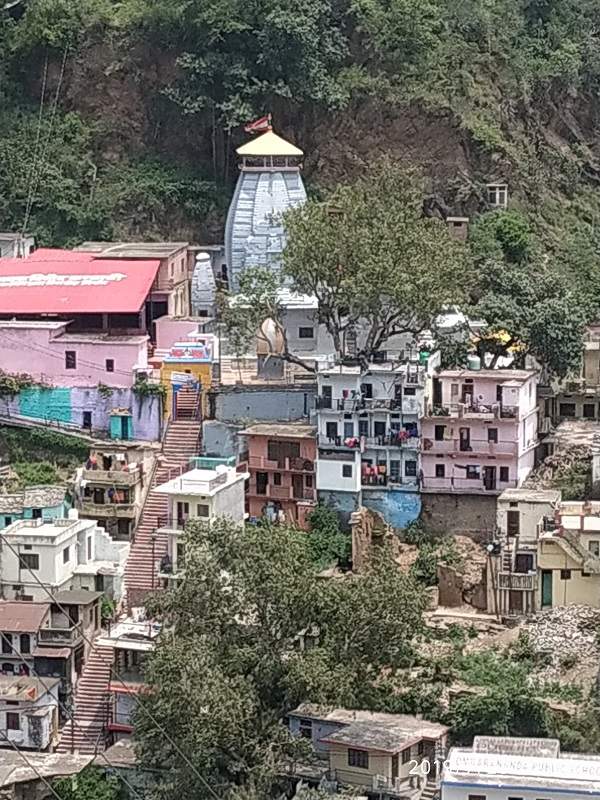
Exploring Beyond the Devprayag Sangam
- Amidst the allure of Devprayag lies another notable gem, the Chandrabadni Temple, gracefully positioned a mere 15 kilometers from the town’s heart. This temple stands as a tribute to Goddess Chandrabadni, and the faithful firmly believe that a pilgrimage here can transform their wishes into reality.
- Yet, the tapestry of Devprayag’s charm extends beyond Chandrabadni Temple. The town beckons with a tapestry of intriguing sites awaiting discovery.
- Among them are the venerable Danda Nagaraja Temple, the reverent Mata Murti Temple, and the majestic Dashrathshila Temple. Each of these sanctuaries and spiritual retreats possesses its own distinct aura, promising an enriching experience that beckons exploration
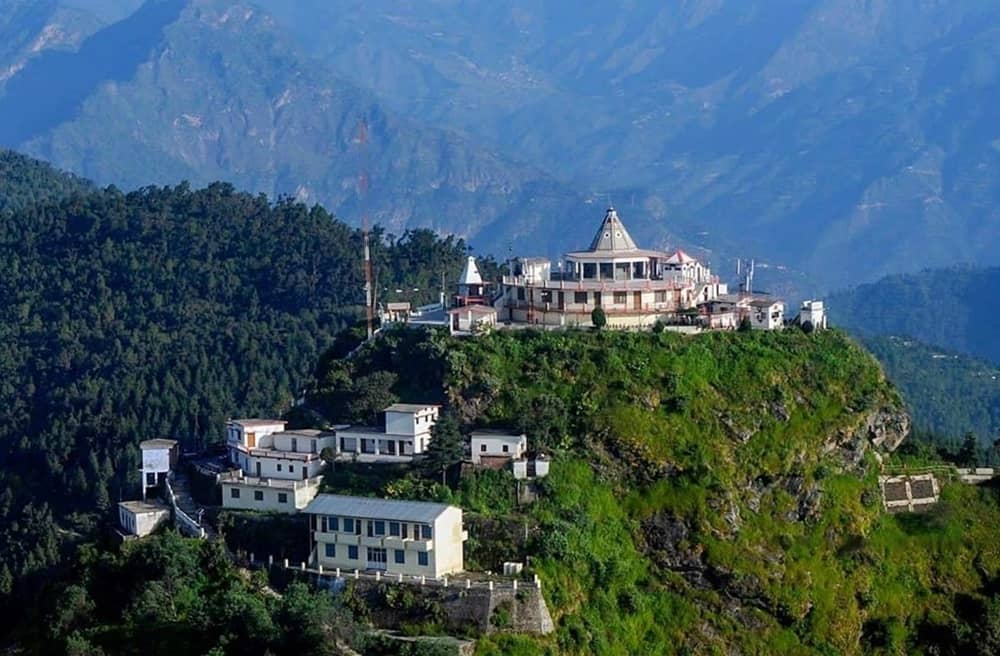
Chandrabadni Temple Devprayag Uttarakhand
Devprayag: The Sacred Confluence
Hey everyone! We recently learned about Devprayag in our geography class, and it’s such a fascinating place that we wanted to share it with you all.
So, Devprayag is this holy town in Uttarakhand, India, where two of the holiest rivers, the Alaknanda and the Bhagirathi, meet. This meeting point is super special because from here onwards, the river is called the Ganga, which is worshipped all over India.
What’s really cool is that Devprayag is one of the significant points in the Panch Prayag of India. It’s perched at an elevation of about 2,265 meters above sea level, so not only is it spiritually significant, but it’s also a fantastic place for an adventure holiday!
Religious Significance
Devprayag holds a high place in Hindu pilgrimage. Many devotees visit here, especially because it’s part of the Panch Prayag Yatra circuit. There’s also the ancient Raghunathji Temple, which dates back to the olden times and adds to the town’s spiritual vibe.
Did you know that Devprayag is considered the seat of the pundits from Badrinath Dham? Since the holy river Ganga starts from here, the town’s religious importance is just unparalleled.
According to legends, Lord Ram and King Dashrath meditated here, making it even more sacred. Pilgrims believe that taking a holy dip at the confluence can grant them Moksha, or liberation. But a word of caution—the currents are pretty strong!
Author E.T. Atkinson
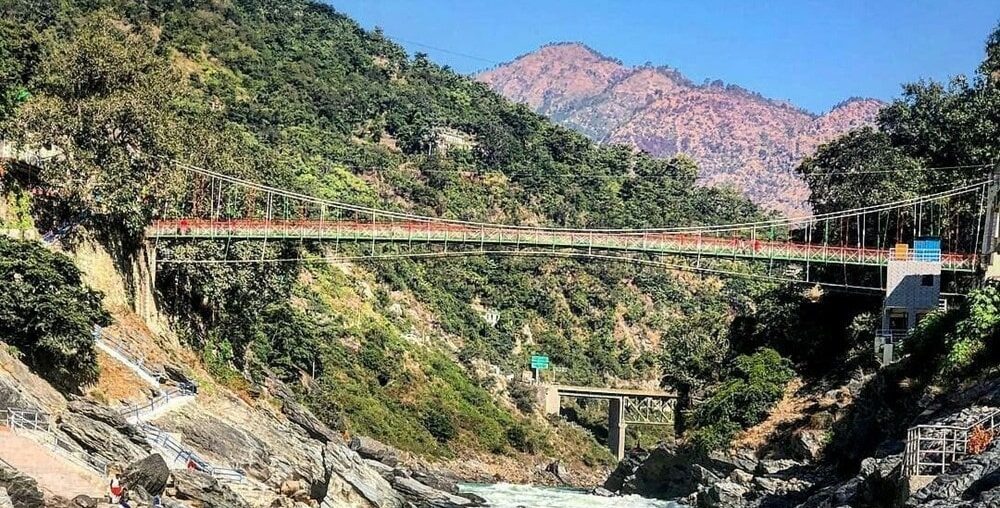
Author E.T. Atkinson in 1882 described Devprayag village as situated on a flat area beneath a sheer cliff 100 feet above the water level, with an 800-foot mountain ridge behind it. Access is via a large rock-cut stairway, climbable even by cattle, and two rope suspension bridges cross the rivers Bhagirathi and Alaknanda.
Historically, Devprayag was under the Pal dynasty from 1000 to 1803 AD, later becoming part of the Panwar Shah’s reign. The Chinese traveler Huen Tsang called it Brahmapuri and it was also known as Brahmatirtha and Shrikhand Nagar in the 7th century.
South Indian texts mention it as Kandavenukoti Nagaram. The Brahmin Tilang Bhatt came here in the 8th century with Adi Shankaracharya and became the traditional priests of Badrinath.
History tells that Panwar King Jai Krit Singh died in the Raghunath temple in 1785, and his four queens committed sati, commemorated by the Rani Sati temple.
Due to a curse, no female member of the Panwar dynasty looks at the temple. When kings visited, the temple was fully covered. Inscriptions behind the temple in Brahmi script record 19 names of people who supposedly took water samadhi to attain heaven here.
Devprayag is linked to five incarnations of Lord Vishnu, including Shri Ram. Places nearby commemorate Lord Vishnu’s appearances in Varaha, Vamana, and Narasimha forms.
Sage Parshuram meditated at the base of Narasimha mountain, and Shri Ram’s sister Shanta meditated near the Shiva pilgrimage site to marry Sage Shringi. Shri Ram’s guru resided at Vashistha Cave here. The hill beneath Devprayag is called Giddhanchal, Jatayu’s meditation site. Near here, an Odishan king Indradyumna worshipped Lord Vishnu.
Pathway of the Rivers
- Bhagirathi: This river is known for being one of the most turbulent Himalayan rivers, stretching about 205 km before it meets the Alaknanda. It originates from the Gaumukh glacier and is named after King Bhagirath, who performed severe penance to bring Ganga to Earth.
- Alaknanda: Originating at the foot of the Satopanth and Bhagirath Kharak glaciers, it meets the Saraswati River near Mana Village close to Badrinath. It travels around 195 km before joining the Bhagirathi at Devprayag.
Nearest Railway Station to Rudraprayag
How to Reach Devprayag
- By Road: The most convenient way! You can catch buses from ISBT Kashmiri Gate in Delhi. Devprayag is connected via NH 58 and is accessible from places like Haridwar, Rishikesh, and Dehradun.
- By Rail: The nearest railway station is in Rishikesh, about 72 km away. From there, you can hire a taxi or cab.
- By Air: The closest airport is the Jolly Grant Airport in Dehradun. Taxis and cabs are readily available from the airport to Devprayag.
Best Time to Visit
The ideal time to visit is during the summer months from April to June. The weather is pleasant, and it’s perfect for sightseeing and taking a dip in the holy waters. Avoid the monsoon months (July and August) due to the risk of landslides. If you don’t mind the cold, the winter months from September to February are also good, but pack warm clothes—the Himalayan chill is no joke!
Things to Do
- Pilgrimage: Being a part of the Panch Prayag, it’s a must-visit for spiritual seekers. It also falls on the way to Badrinath Dham.
- Trekking and Adventure: For those who love the outdoors, there’s trekking, river rafting, and camping opportunities. The terrain is perfect for some adventure!
- Meditation and Yoga: The serene environment makes it an ideal place for meditation and finding inner peace.
Places to Visit
- Raghunathji Temple: Dedicated to Lord Ram, this temple is nestled between two massive rocks at the confluence point. Built in 1839 by Maharaja Gulab Singh, it showcases a unique blend of Buddhist and South Indian architecture.
- Dashrathshila: This sacred rock is where King Dashrath is believed to have performed penance. Nearby is the Dashrathanchal Peak, named in his honor.
- Kyunkaleshwar Mahadev Temple: An 8th-century temple dedicated to Lord Shiva, believed to be established by Adi Shankaracharya. It offers stunning views of the snow-capped Himalayas.
- Teen Dhara: A popular stop on the Rishikesh-Devprayag highway, named after three nearby streams. It’s a great place to relax, enjoy some delicious food, and take in the beautiful scenery.
We hope this gives you a glimpse into the beauty and spirituality of Devprayag. It’s definitely a place we’d love to visit someday!
Devprayag Sangam Devprayag Sangam Devprayag Sangam Devprayag Sangam Devprayag Sangam Devprayag Sangam
FAQ
- Where is Devprayag: Devprayag is near Rishikesh 75 km more north to Rishikesh
- Which rivers meet at Devprayag; Bhagirathi and Alaknanda river meet at Devprayag
- Where is Devprayag Sangam : It is situated just 75 km from Rishikesh on the Rishikesh Badrinath Highway up in the Himalayas.
- Why Devprayag is famous: it is famous for confluence of holy rivers and temples and Devprayag Sangam
- How to reach Devprayag Sangam: You can reach via Rishikesh or Dehradun , taking public bus or private transport.
- Where does Alaknanda and Bhagirathi meet? Devpraya Uttarakhand.
- where Bhagirathi and Alaknanda meet: Devpraya Uttarakhand. 75 km from Rishikesh up in the Himalayas.