
Discover Udham Singh Nagar: Mini-India of Uttarakhand
Udham Singh Nagar is often called the “Mini-India of Uttarakhand”—a district where cultures, languages, religions, and lifestyles from across the country blend seamlessly. Located in the Kumaon region, this district is known more for industry, agriculture, and education than mainstream tourism, making it a fascinating place to understand Uttarakhand beyond hill stations.
Geographically, Udham Singh Nagar lies in the fertile Terai plains, forming a transition zone between the Himalayas and the Indo-Gangetic plains, close to the Nepal border.
Origin of the Name & “Unity in Diversity”
Udham Singh Nagar is named after Shaheed Udham Singh, the Indian freedom fighter. Unlike the mountainous districts of Uttarakhand, this region attracted large-scale migration from Punjab, Uttar Pradesh, Bengal, Rajasthan, Nepal, and other parts of India—especially during the mid-20th century.
This migration shaped the district’s identity as a true “Mini-India”, where diverse communities live, work, and celebrate together.
Suggested Read – Nainital – Seal the Unforgettable Memory Forever
The district is often called “the food bowl of Uttarakhand” due to its fertile land and advanced agricultural practices.
Pantnagar Agricultural University
One of the most important landmarks here is Govind Ballabh Pant University of Agriculture and Technology, Asia’s first agricultural university.
-
Globally respected for agricultural research
-
Surrounded by Himalayan foothills
-
Attracts students from all over India and abroad
Studying here offers a rare setting—the Himalayas on one side and the plains stretching towards Nepal on the other.
The Rudra Kingdom & Early History
Historically, Udham Singh Nagar was once a marshy, forested region, making human settlement extremely difficult. Ancient texts mention the Rudra tribe, who inhabited these lands for centuries.
Modern development began:
-
Mid-19th century: Initial settlements
-
Mid-20th century: Massive migration post-independence
-
Birth of Rudrapur as an industrial and administrative hub
Today, Rudrapur is one of Uttarakhand’s most important industrial cities.
Suggested Read –The Path Of Salvation: Mukteshwar Mahadev Temple, Nainital

History, Mythology & Spiritual Beliefs
According to legend, King Rudra’s chariot once got stuck in the marshlands here. Interpreting this as a divine sign, he established a temple dedicated to Atariya Devi, located about 2 km from Rudrapur.
Atariya Temple & Navratri
-
Major spiritual site in the district
-
During Navratri, a 10-day festival draws thousands of devotees
-
Reinforces the district’s deep spiritual roots
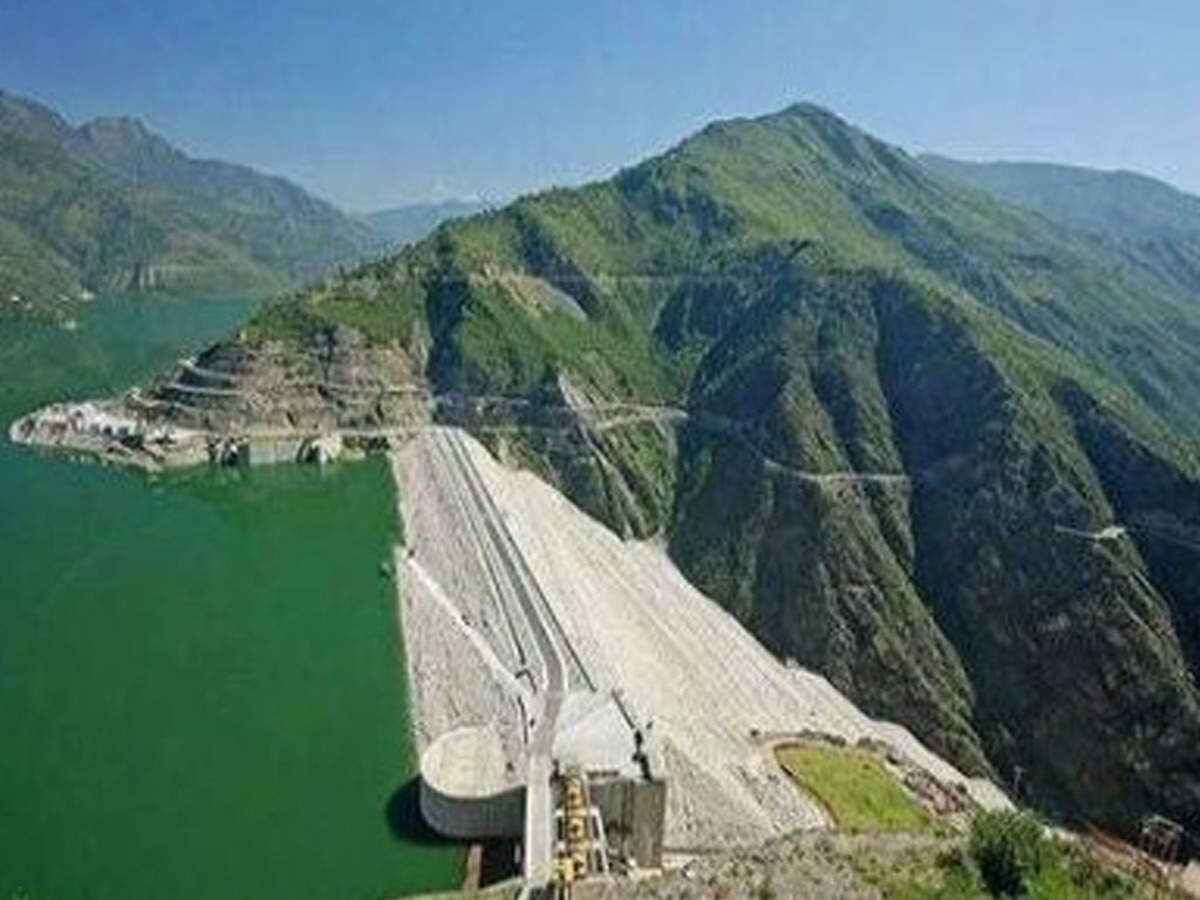
Nanak Sagar Dam & Sikh Heritage
Highlights:
-
Major Sikh pilgrimage site
-
Built near the Nanak Sagar Dam
-
Formation of Nanak Sagar Lake (Drona Sagar)
-
Peaceful views and spiritual atmosphere
The Chaiti Fair, held after the monsoon, is one of the most important local festivals here.
Culture & Lifestyle of Udham Singh Nagar
Udham Singh Nagar may not be a typical tourist destination, but it offers:
-
Rich folk traditions & fairs
-
Diverse cuisines influenced by multiple states
-
Agricultural festivals & rural experiences
-
Stunning views of Himalayan peaks like Trishul Peak on clear days
If you’re here for work or study, spending time exploring the surroundings reveals the district’s authentic character.
How to Reach Udham Singh Nagar
-
🚗 Distance from Delhi: ~254 km
-
🚆 Nearest Railway Station: Kathgodam
-
✈️ Nearest Airport: Pantnagar Airport
Well-connected by road and rail, making it one of the easiest districts in Uttarakhand to access.
Suggested Read – A Date With the Saint of Kainchi Dham – Baba Neem Karoli
Why Visit Udham Singh Nagar?
-
Experience Mini-India culture in Uttarakhand
-
Learn about agricultural & industrial development
-
Visit important Sikh & Hindu religious sites
-
Explore the lesser-known Terai region
-
Ideal for slow, cultural, and educational travel
Final Thoughts
Udham Singh Nagar may not offer snow-covered hill stations, but it presents something equally powerful—India’s diversity in one district. From universities and industries to temples, gurudwaras, and fertile farmlands, it reflects the idea of “Unity in Diversity” better than most places in the Himalayas.