
Ranikhet to Babaji Cave: How to Reach the Kriya Yoga Shrine
The Kumaon Himalayas are famed for their pristine beauty, but one location stands above the rest for millions of spiritual seekers worldwide: the sacred cave of Mahavatar Babaji.
This remote, powerful site, nestled high above the village of Kukuchina, is the legendary spot where Babaji initiated Lahiri Mahasaya into the ancient science of Kriya Yoga, an event that reshaped modern spirituality.
If you are planning a pilgrimage, the charming colonial hill station of Ranikhet serves as one of the most convenient and scenic launchpads. Understanding the logistics of travel from Ranikhet to Babaji Cave is the first step toward this transformative spiritual experience.
This definitive guide breaks down the route, the distance, the transport options, and the history behind this iconic journey, ensuring your travel is as seamless and spiritually rewarding as possible.
Suggested Read: Dwarahat “Uttar Dwarka”: a Village of Temples in Uttarakhand

1. Defining the Distance: Ranikhet to Kukuchina
The journey from Ranikhet to Babaji Cave is relatively short by Himalayan standards, yet it requires navigating winding mountain roads. The pilgrimage is generally broken into two distinct segments: a short road trip followed by a rewarding uphill trek.
The road distance from Ranikhet to the nearest major town, Dwarahat, is approximately 38 kilometers. From Dwarahat, the road continues another 25 kilometers to the small, remote village of Kukuchina, which marks the end of the motorable road.
Total Road Distance:
The combined road distance from Ranikhet to Kukuchina is roughly 63 kilometers.
The Final Trek:
From Kukuchina, the final leg of the pilgrimage is a mandatory, moderately challenging uphill trek of about 2 to 3 kilometers to reach the cave itself, which is located high on the Pandukholi Mountain ridge.
By basing yourself in Ranikhet or Dwarahat, you position yourself perfectly to complete this essential part of the Kriya Yoga lineage pilgrimage with minimal travel fatigue.
2. Step-by-Step Travel Guide: How to Get There
Traveling from Ranikhet to Babaji Cave involves several stages, requiring local transport expertise or a dedicated private vehicle.
Stage 1: Ranikhet to Dwarahat (The Scenic Drive)
Ranikhet, known for its golf course and military cantonment, is linked to Dwarahat by a well-maintained state highway offering spectacular views of the snow-capped Himalayan peaks, particularly the majestic Nanda Devi range.
- Distance: Approximately 38 km.
- Travel Time: 1.5 to 2 hours.
- Transport Options:
- Private Taxi: This offers the quickest and most comfortable journey. Taxis can be hired easily from the Ranikhet market.
- Shared Taxi/Bus: More budget-friendly options exist, though they are less frequent and may take longer due to multiple local stops.
Dwarahat is the administrative and spiritual hub closest to the cave, and it’s where you will find the Yogoda Satsanga Sakha Ashram, which is a key point of reference for many pilgrims.
Stage 2: Dwarahat to Kukuchina Village (The Last Roadhead)
This segment covers the last motorable section of the journey and is typically the narrowest and most remote part of the road trip.
- Distance: Approximately 25 km.
- Travel Time: 45 minutes to 1 hour.
- Transport Options: It is highly advisable to hire a local taxi or shared jeep from Dwarahat for this stretch. The drivers are familiar with the specific terrain and the final drop-off point at Kukuchina. Private vehicles from outside the region should proceed with caution due to the narrow roads.
Kukuchina is a quiet, small village. Upon arrival, you will likely encounter local vendors selling water, snacks, and basic supplies—essential items for your final ascent.
Stage 3: The Ascent to Babaji Cave (The Trek)
The final trek is the spiritual highlight. You must park your vehicle at Kukuchina and continue on foot.
- The Trail: The path is an established mountain trail, but it is uneven, featuring dirt, rock, and rough, large steps.
- Spiritual Focus: It is crucial to walk slowly, maintain your pace, and conserve energy. This is not a race but a pilgrimage. Many devotees use this silent trek for preliminary meditation and reflection, preparing themselves for the powerful energy of the cave.
- Duration: Allow 45 minutes to 1.5 hours for the ascent, depending on your physical fitness and the number of breaks you take.
Suggested Read: Delhi to Mahavatar Babaji Cave: Discover the Divine Routes
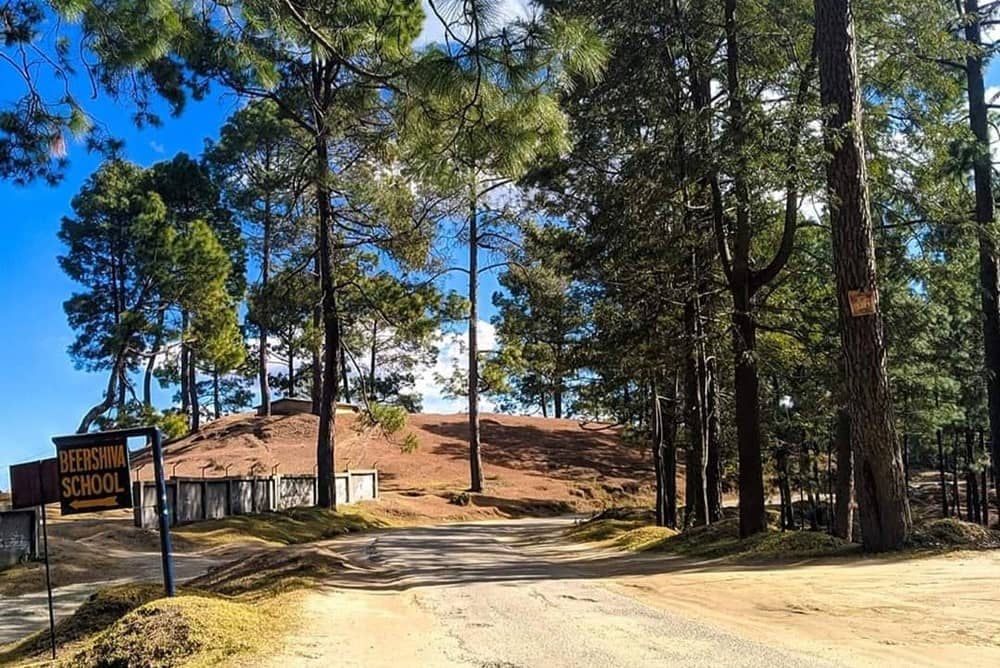
3. Why Ranikhet Makes the Perfect Base for Your Journey
While many people begin their journey from Kathgodam (the nearest major railway station), choosing Ranikhet as your base camp offers significant advantages, optimizing the Ranikhet to Babaji Cave trip for both convenience and experience:
| Advantage | Benefit for Pilgrims |
|---|---|
| Reduced Travel Time | Cuts down the lengthy road trip from Kathgodam by nearly three hours, allowing for a more relaxed start. |
| Superior Accommodation | Ranikhet boasts better hotels, resorts, and rest houses, offering comfort and better food before the challenging trek. |
| Scenic Beauty | Ranikhet provides clear, unobstructed views of the Himalayas, enriching the overall Himalayan experience before reaching the spiritual goal. |
| Local Connectivity | Being a popular hill station, Ranikhet offers more frequent and reliable taxi services to Dwarahat and, subsequently, Kukuchina. |
By opting for Ranikhet, you minimize the mundane travel hours and maximize your time for reflection and meditation, arriving at Kukuchina rested and spiritually prepared.
4. Connecting Travel Hubs to Ranikhet
To properly execute your pilgrimage from Ranikhet to Babaji Cave, you must first reach Ranikhet itself.
Nearest Railway Station (Rail Connectivity)
The nearest major railhead to Ranikhet is the Kathgodam Railway Station (KGM), located approximately 80 to 90 kilometers away. Kathgodam is exceptionally well-connected to major Indian cities like Delhi, Lucknow, and Kolkata via regular express and superfast trains.
From Kathgodam, you can hire a private taxi or take a shared cab/bus directly to Ranikhet, a journey that takes approximately 2.5 to 3 hours.

Nearest Airport (Air Connectivity)
The closest airport is Pantnagar Airport (PGH), situated about 110 kilometers from Ranikhet. Pantnagar has limited connectivity, primarily to Delhi. For pilgrims flying in, a taxi from Pantnagar to Ranikhet takes roughly 3 to 4 hours.
Alternatively, the Indira Gandhi International Airport (DEL) in New Delhi serves as the main entry point for international travelers, who then take an overnight train or domestic flight to Kathgodam/Pantnagar.
5. Spiritual Context and Preparing for the Cave
Understanding the significance of the Mahavatar Babaji Cave enhances the pilgrimage. Babaji, often referred to as the immortal yogi, is central to the Kriya Yoga tradition. The cave is believed to be the place where Babaji spent long periods in deep samadhi (meditative absorption).
Preparation Checklist
- Read Autobiography of a Yogi: It is highly recommended to read Chapter 34 of Paramahansa Yogananda’s classic, which narrates the story of Babaji and Lahiri Mahasaya’s meeting at this very spot.
- Physical Fitness: Though the trek is short (2-3 km), it is steep. Ensure you wear sturdy, comfortable footwear and are prepared for a moderate physical challenge.
- Meditation Supplies: Bring a shawl or blanket if you plan to sit for meditation inside or near the cave, as the mountain air is always cool.
Visiting Guidelines and Best Time
- Timings: The cave is typically open from 9:00 AM to 3:30 PM. Plan your journey to Kukuchina to start the trek early (by 10:00 AM) to ensure you have ample time for meditation and the return trip.
- Best Season: The ideal time to visit is from September to May. The post-monsoon clarity of September-November offers clear mountain views, while the pre-summer months of March-May are also pleasant. Avoid the heavy monsoon season (July-August) due to increased landslide risks and slippery trails.

6. Accommodation and Local Logistics
Planning your stay strategically around the Ranikhet to Babaji Cave axis will greatly improve your experience.
Dwarahat & Kukuchina
- Dwarahat: This is the best place to find basic to mid-range hotels and guesthouses. The Yogoda Satsanga Sakha Ashram is also located here, which is the primary accommodation for Kriya Yoga practitioners.
- Kukuchina: Accommodation is very basic here, typically limited to small local guesthouses (like Joshi Guest House). However, staying in Kukuchina means you are closest to the trail and can start your trek early in the morning.
Safety and Essentials
- Carry Water and Snacks: There are limited facilities on the trekking trail. Carry adequate water, energy bars, or fruits.
- Layered Clothing: The temperature can change drastically, especially after the ascent to the cave’s altitude. Wear layered clothing that can be easily removed or added.
- Local Assistance: When you reach Dwarahat, it is often helpful to inquire at the YSS Ashram or a local guesthouse for the latest guidance on the trail and taxi availability to Kukuchina.
Conclusion: A Pilgrimage Worth Every Step
The journey from Ranikhet to Babaji Cave is more than a simple geographical distance; it’s a sacred pathway to one of the most energetically charged spots in the world. By taking the scenic 63-kilometer road from Ranikhet to Kukuchina and completing the short but rewarding 2-3 kilometer trek, you are retracing the steps of one of the greatest spiritual meetings in history.
Whether you are a devoted Kriya Yogi or a curious seeker, this Himalayan pilgrimage promises profound spiritual introspection and breathtaking mountain vistas. Plan your logistics carefully, embrace the mountain air, and prepare for a journey that will stay with you long after you descend the slopes of Pandukholi.
Ranikhet to Babaji Cave Ranikhet to Babaji Cave Ranikhet to Babaji Cave Ranikhet to Babaji Cave Ranikhet to Babaji Cave Ranikhet to Babaji Cave Ranikhet to Babaji Cave Ranikhet to Babaji Cave Ranikhet to Babaji Cave