Katyuri Valley in Uttarakhand: Home of Ancient Temples
The Katyuri Valley is one of the most historically rich and spiritually significant regions of Uttarakhand. This low-altitude Himalayan valley flourished under the rule of the Katyuri Dynasty, which governed large parts of Kumaon and Garhwal between the 7th and 10th centuries.
Stretching gracefully along the Gomati River, the valley is renowned for its ancient Hindu temples, stone-cut Katyuri architecture, and Shaivite heritage—making it a living museum of early Himalayan civilization.
Overview: Katyuri Valley (Kumaon, Uttarakhand)
The Katyuri Valley represents the socio-cultural heartland of Kumaon. Most surviving temples in this region were built by Katyuri rulers and are dedicated primarily to Lord Shiva, reflecting strong Shaivism influence.
Key Highlights
-
Ancient stone temples (7th–12th century)
-
Distinct Katyuri Nagara-style architecture
-
Shaivism, Shakti worship & early Vaishnav elements
-
Sacred river confluences (Gomati & Sarayu)

Jageshwar Dham The group of temples of Lord Shiva
Katyuri Architecture – A Distinct Himalayan Style
Katyuri architecture is known for:
-
Finely carved stone shikharas
-
Intricate Shiva lingams & mukhalinga forms
-
Sculptures of Navagraha, Panchdev, Durga & Ganesh
-
Compact sanctums built for longevity in seismic zones
Many of these temples are now protected by the Archaeological Survey of India (ASI).
1. Jageshwar Dham – Group of 124 Shiva Temples
-
Believed to be over 2,500 years old
-
Located amid dense deodar forests
-
Temples sit beside the Jata Ganga River
-
Major Shaivite pilgrimage & meditation site
Suggested Read – Jageshwar Dham: The group of temples of Lord Shiva
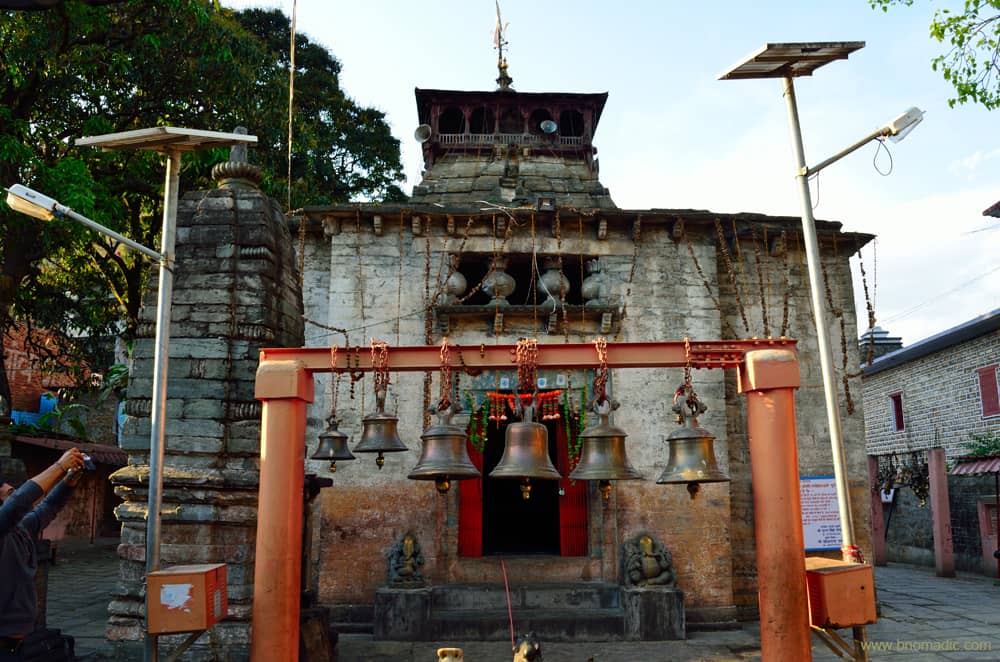
2. Bageshwar – Cultural Capital of the Katyuris
Key Temple
-
Bagnath Temple
-
Located at the confluence of Sarayu & Gomati rivers
Temple complex includes rare idols of:
-
Chaturmukhi, Panchmukhi & Sahasra Shiva
-
Mahishasura Mardini
-
Navagraha & Panchdevapath
Suggested Read – Bageshwar Temples: The Path Where Gods Live
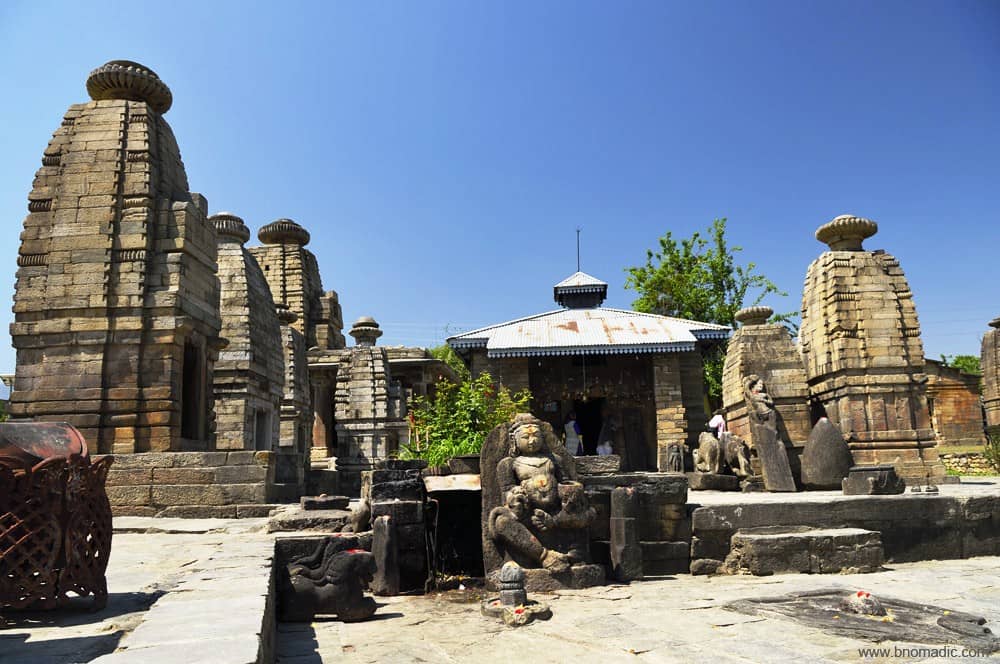
3. Baijnath Temple – Katyuri Capital Kartikeyapura
-
Built in Nagara + Dravidian architectural style
-
Dedicated to Vaidyanath (Lord Shiva)
-
Located near Kausani with Himalayan views
Suggested Read – Biajnath Temple Kausani Uttarakhand

4. Dwarahat – Temples & Kriya Yoga Heritage
Dwarahat is a scenic Katyuri-era town known for clustered temples and spiritual learning.
Important Temples
-
Vimandeshwar Temple – second abode of Shiva after Kashi
-
Mrityunjay Temple
It also hosts the Yogoda Satsanga Society Ashram.
Suggested Read – Yogoda Satsanga Sakha Ashram Dwarahat: A Tranquil Among Nature

5. Dunagiri Temple – Goddess Durga Shrine
-
Dedicated to Goddess Durga
-
Located on a hillock near Dwarahat
-
500-step stone staircase
-
Wooden & stone temple architecture
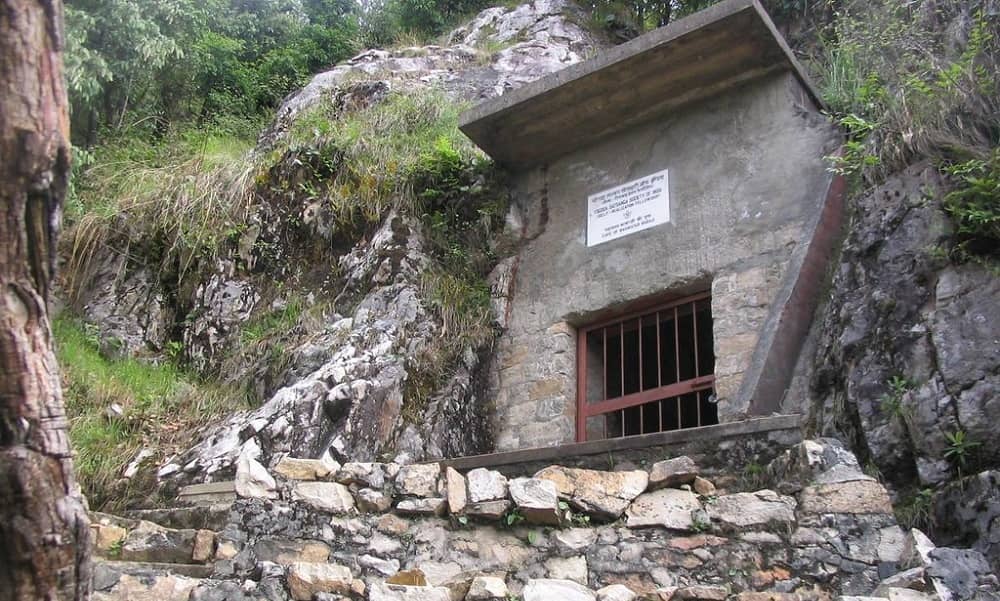
6. Mahavatar Babaji Cave – Birthplace of Kriya Yoga
-
Where Mahavatar Babaji revived Kriya Yoga
-
Connected to Lahiri Mahasaya
-
Maintained by YSS Ashram, Dwarahat
-
Best time: September to June
.Suggested Read – Mahavatar Babaji Cave: A Walk Through An Abode of Kriya Yoga
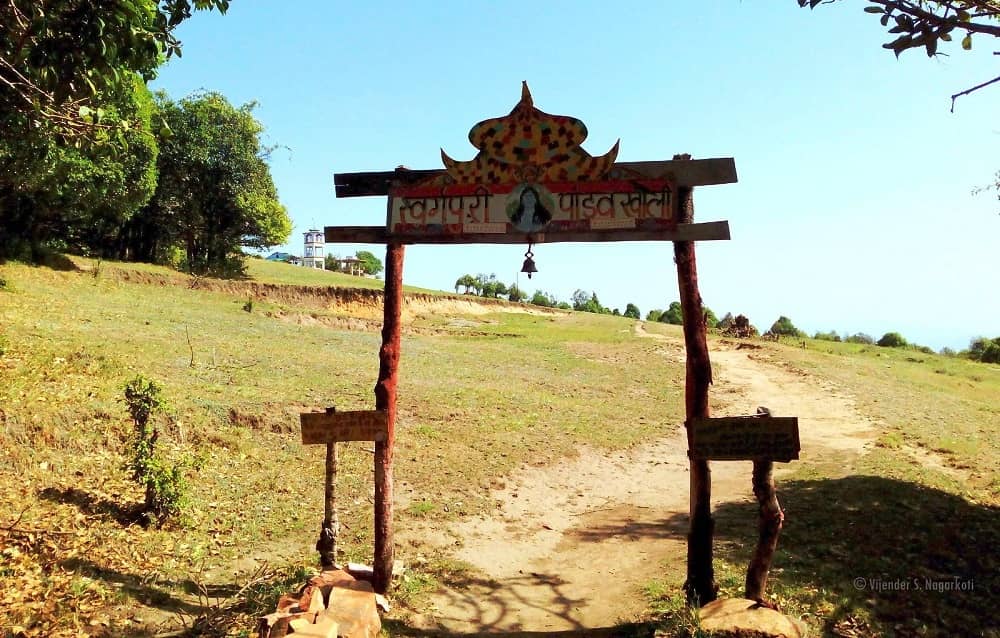
7. Pandavkholi Cave – Mahabharata Legacy
-
3 km trek from Kukuchina
-
Believed to be used by Pandavas during exile
-
Sadhus still meditate here
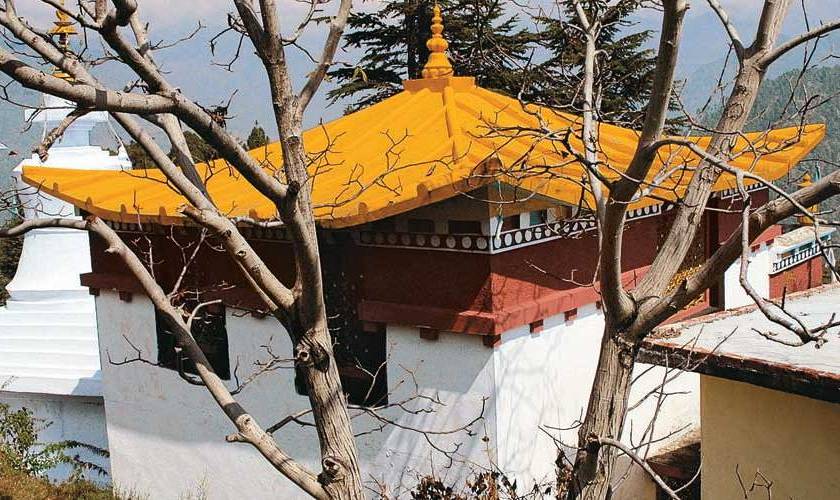
8. Gwaldam – Where Garhwal Meets Kumaon
-
Elevation: 1,629 m
-
Border town of Garhwal & Kumaon
-
Buddhist Gompa, Hindu temples & farms
-
Views of Nanda Devi, Nanda Ghunti & Trishul
-
Stopover for Roopkund Trek
FAQs – Katyuri Valley & Dynasty (Schema-Friendly)
Who was the first Katyuri ruler?
The earliest known Katyuri ruler was Vasudev Katyuri, who established the dynasty around the 7th century CE.
What is the Katyuri Valley famous for?
It is famous for ancient Shiva temples, Katyuri stone architecture, and Shaivite heritage in Kumaon.
Where is Katyuri Valley located?
In the Kumaon region of Uttarakhand, mainly along the Gomati River basin.
What is Katyuri architecture?
A Himalayan stone temple style featuring compact shikharas, intricate carvings, and Shaivite symbolism.
Final Thoughts
The Katyuri Valley is not just a destination—it is a journey into the spiritual and architectural roots of Uttarakhand. From Jageshwar to Dwarahat, every stone whispers stories of a dynasty that shaped Himalayan civilization.