
Rudranath Trek Distance, Route and Location(2026 Travel Guide)
The Rudranath Trek is one of the most scenic and spiritually rewarding treks in Uttarakhand. Located in the Uttarakhand, this trek takes you deep into the Garhwal Himalayas through dense forests, alpine meadows, and remote villages. It is especially popular among trekkers who want to combine adventure, nature, and spirituality in one journey.
Rudranath is also one of the sacred Panch Kedar, the five temples dedicated to Lord Shiva, making this trek an important pilgrimage route as well.
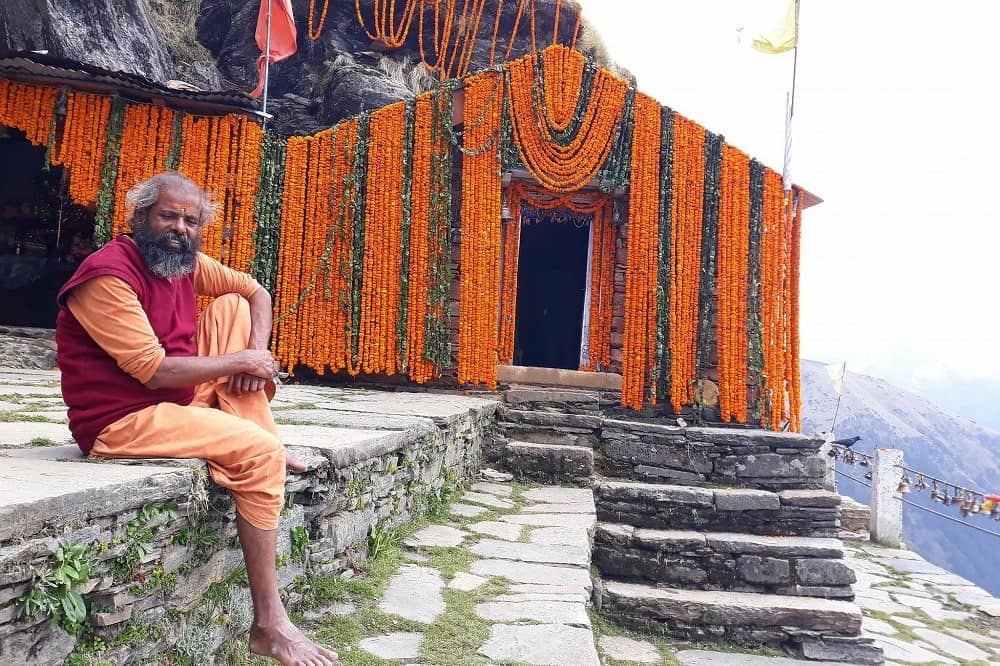
Rudranath Temple Trek Distance
The rudranath temple trek distance is approximately 20 km (one way) from the base village.
-
Rudranath trek distance: ~20 km
-
Rudranath trek in km (round trip): ~40 km
-
Duration: 3–4 days
-
Difficulty: Moderate
This trek involves steady ascents, forest trails, and open meadows, making it suitable for fit beginners and experienced trekkers alike.
Rudranath Trek Route
The classic and most popular trek route starts from Sagar Village, located in Chamoli district.
Route Overview:
Sagar Village → Lyuti Bugyal → Panar Bugyal → Rudranath Temple
-
Sagar to Lyuti Bugyal
-
Lyuti Bugyal to Panar Bugyal
-
Panar Bugyal to Rudranath
Along the way, trekkers pass through oak and rhododendron forests, mountain streams, waterfalls, and wide alpine bugyals (meadows).
Suggested Read – Panch Kedar Tour Itinerary and Route Details

Rudranath Trek Starting Point
The official rudranath trek starting point is Sagar Village, which is well connected by road.
-
Nearest town: Gopeshwar
-
Distance from Gopeshwar to Sagar: ~5 km
Sagar village also offers basic accommodation, food, and local guides.
Rudranath Trek KM Details
-
Total trekking distance: ~20 km
-
Altitude of Rudranath Temple: 2,286 meters
-
Highest campsite: Panar Bugyal
The rudranath trek km may vary slightly depending on the route taken, but the Sagar–Panar–Rudranath trail is the most commonly used.
Rudranath Temple and Rudranath Yatra
The sacred Rudranath Temple is unique among the Panch Kedar temples because Lord Shiva is worshipped here in the form of his face (mukha).
Surrounded by snow-clad peaks like Nanda Devi, Trishul, and Nanda Ghunti, the temple sits in a serene alpine setting that feels untouched by time.
The Rudranath Yatra is usually undertaken between May–June and September–October.
Suggested Read- Kedarnath Shivaling History and Mythology
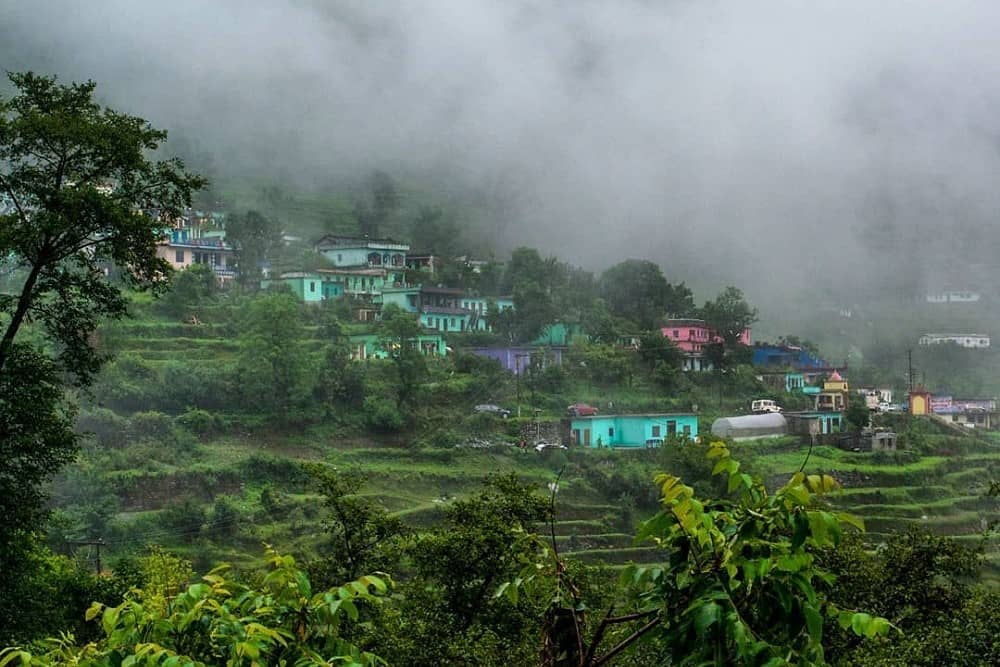
Kalpeshwar to Rudranath Trek
The kalpeshwar to rudranath trek is an advanced route followed by experienced trekkers completing the Panch Kedar circuit.
-
Kalpeshwar → Urgam → Panar → Rudranath
-
Longer and more challenging
-
Recommended only with a guide
This route offers deep wilderness and fewer crowds.
Kedarkantha Trek Location (Important Clarification)
Many travelers confuse Rudranath with Kedarkantha.
The kedarkantha trek location is in Govind Wildlife Sanctuary, Uttarkashi district — not near Rudranath.
Both are beautiful treks, but they are located in different regions of Uttarakhand.
Entry Fee for Rudranath Trek
A new eco-protection rule by the Kedarnath Forest Division requires trekkers to:
-
Pay ₹100 deposit per plastic item (bottles, food packets, etc.)
-
Deposit is refunded after trek completion
-
Failure to return within 2 days may result in a ₹5000 penalty
This initiative helps keep the Rudranath trail clean and plastic-free.
Best Time for Rudranath Trek
-
Best months: May–June, September–October
-
Temple closed: November to April (due to heavy snowfall)
-
Avoid monsoon: July–August (landslides & slippery trails)
Rudranath Trek Tips
-
Always check weather and trail conditions before starting
-
Hire a local guide (routes can be confusing)
-
Carry enough food, water, and camping gear
-
Start early each day to avoid afternoon weather changes
-
Temple aarti timings:
-
Morning: 8:00 AM
-
Evening: 6:30 PM
-
Staying Options on Rudranath Trek
There are no hotels near the temple, only basic facilities.
Available stay points:
-
Sagar Village
-
Lyuti Bugyal
-
Panar Bugyal
-
Urgam
Trekkers usually carry tents and camp near the temple under the stars.
Rudranath Trek Package
A typical Rudranath trek package includes:
-
Transport from Haridwar/Rishikesh
-
Local guide
-
Meals during trek
-
Camping equipment
-
Basic accommodation
Packages are ideal for first-time trekkers and pilgrims.
Rudranath Trek – Best Time to Visit
The best time to visit the Rudranth is crucial for safety, clear views, and an enjoyable trekking experience. Since the trek is located in the high-altitude Garhwal Himalayas, weather conditions play a major role.
✅ Best Season for Rudranath
1. Summer (May to June) – BEST TIME ⭐
-
Weather: Pleasant and stable
-
Temperature: 10°C to 20°C
-
Why visit:
-
Snow melts, trails open
-
Clear views of Himalayan peaks
-
Ideal for pilgrims and trekkers
-
-
Temple status: Open
This is the most recommended time for the Rudranath trek, especially for first-time trekkers and those undertaking the Panch Kedar Yatra.
2. Autumn (September to October) – EXCELLENT TIME ⭐
-
Weather: Cool, dry, and clear
-
Temperature: 5°C to 15°C
-
Why visit:
-
Lush green meadows after monsoon
-
Crystal-clear mountain views
-
Fewer crowds compared to summer
-
Autumn is perfect if you prefer solitude and photography during the Rudranath trek.
⚠️ Seasons to Avoid
3. Monsoon (July to August) – AVOID ❌
-
Heavy rainfall
-
High risk of landslides
-
Slippery and unsafe trails
-
Poor visibility
The Rudranath trek becomes risky during monsoon, and forest authorities may restrict movement.
4. Winter (November to April) – NOT RECOMMENDED ❌
-
Heavy snowfall
-
Rudranath Temple remains closed
-
Temperatures drop below freezing
-
Trek routes become inaccessible
📌 Best Months at a Glance
-
Best overall: May, June, September, October
-
Avoid: July, August, November to April
Final Thoughts
The Trek is not just about distance or altitude—it’s a soulful journey through forests, meadows, and ancient Shiva legends. Whether you’re a trekking enthusiast or a spiritual seeker, this trail offers an unforgettable Himalayan experience.