
Valley of Flowers in August: First 15 Days Are the Best Time to Visit
The Valley of Flowers National Park is one of India’s most spectacular natural landscapes and a proud UNESCO World Heritage Site. Known for its alpine meadows, rare Himalayan flowers, and mist-covered mountains, the valley comes alive during the monsoon—but Valley of Flowers in August, especially the first 15 days, is when it reaches its absolute peak.
If you’re a nature lover, trekker, photographer, or slow traveler chasing raw Himalayan beauty, early August is the window you should target.
Where Is Valley of Flowers Located?
The Valley of Flowers is located in Chamoli, in the Garhwal Himalayas of Uttarakhand.
The nearest base village is Ghangaria, reached via Govindghat.
Suggested Read: Trek from Govindghat to Ghangaria: Into the Stunning Landscapes
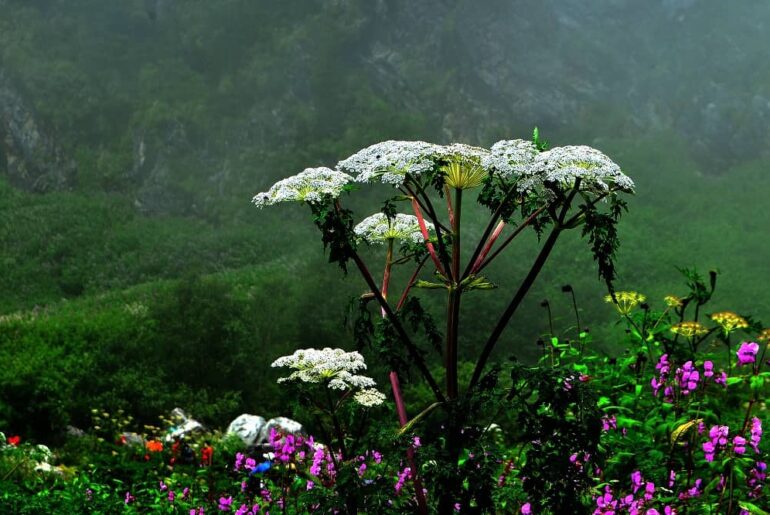
Why Visit Valley of Flowers in August?
🌸 Peak Bloom Season
August is when the valley is at its most colorful. Monsoon rains recharge the soil, triggering a mass bloom of alpine flowers across the valley floor.
🌸 Why the First 15 Days of August Are the Best
The first half of August is considered the golden period because:
-
Flowers are fresh, vibrant, and fully open
-
Meadows are covered in dense carpets of color
-
Fewer flowers have wilted due to prolonged rainfall
-
Greens are brighter, streams fuller, landscapes more dramatic
By late August, continuous rain can cause delicate blooms to droop—making early August the visual peak.
Valley of Flowers Timing & Bloom Cycle Explained
Many travelers assume all flowers bloom together—but nature doesn’t work that way.
-
Some species bloom in June
-
Many peak in July & early August
-
Others appear in late August & September
-
Some bloom when the park is closed
With over 500 species, no single visit shows everything—but early August offers the widest variety of fresh blooms, making it the most rewarding time.
Valley of Flowers Weather in August
🌡️ Temperature in Valley of Flowers in August
-
Minimum: ~6°C
-
Maximum: ~12°C
Cool temperatures make trekking comfortable, especially compared to scorching plains.
🌧️ Rainfall in August – What to Expect
-
Frequent rain (moderate to heavy)
-
Slippery but manageable trails
-
Mist, clouds, and surreal light conditions
Despite monsoon, the valley remains open, unlike many Himalayan routes.
✨ Bonus Advantage:
Nearby Badrinath Temple is almost crowd-free in August—perfect for peaceful darshan.
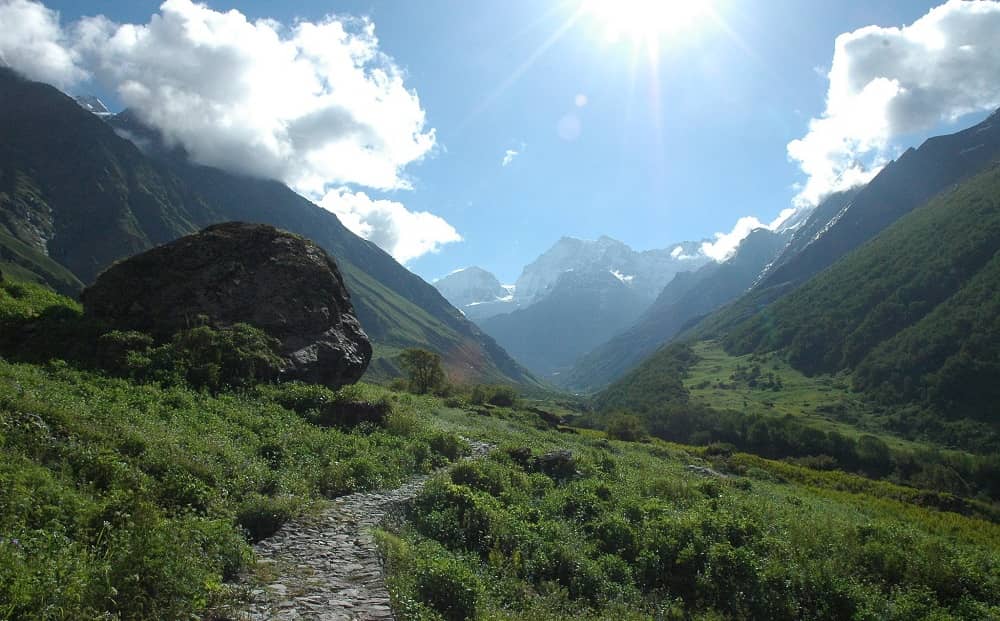
Valley of Flowers Trek in August
The trek follows:
Govindghat → Ghangaria → Valley of Flowers
🥾 Why the August Trek Is Special
-
Streams are full and musical
-
Waterfalls appear along the trail
-
Meadows look untouched and wild
-
Forests feel alive with mist and rain
📌 August offers the most “alive” version of the Himalayas.
Valley of Flowers National Park in August vs September
🌼 August
-
Maximum flower variety
-
Lush green landscapes
-
Frequent rain
-
Peak monsoon beauty
🍂 September
-
Fewer flowers, more seed pods
-
Golden-yellow tones (autumn shift)
-
Clearer skies, less rain
-
Better mountain visibility
👉 Choose August for flowers.
Choose September for views.
Can You Visit Hemkund Sahib Along With Valley of Flowers?
Yes. Hemkund Sahib is just a few kilometers from Ghangaria.
In August:
-
Trail is challenging due to rain
-
Surroundings are intensely green
-
Mist creates a deeply spiritual atmosphere
Many travelers combine Valley of Flowers in August with Hemkund Sahib for a journey blending nature and devotion.

Is Valley of Flowers Open Now?
The Valley of Flowers is generally open:
-
June to early October
-
Best window: mid-July to mid-August
Always confirm dates with forest authorities before planning.
How to Reach Valley of Flowers
-
Nearest railway station: Rishikesh / Haridwar
-
By road: Haridwar/Rishikesh → Govindghat
-
Trek: Govindghat → Ghangaria → Valley of Flowers
Important Tips for Visiting Valley of Flowers in August
-
Carry rain gear & waterproof backpack
-
Wear high-traction trekking shoes
-
Start treks early morning
-
Book Ghangaria stays in advance
-
Keep buffer days for weather delays
Valley of Flowers India – Best Time to Visit (Final Verdict)
✅ Early August is the BEST time if you want:
-
Maximum flower diversity
-
Fresh, vibrant blooms
-
Lush monsoon landscapes
-
A true UNESCO-level experience
September is beautiful—but August is magical.

Conclusion
Visiting the Valley of Flowers in August, especially during the first 15 days, feels like stepping into a living painting. Monsoon rains awaken the valley, covering it with vibrant flowers, flowing streams, and emerald meadows that simply don’t exist at any other time of year.
For travelers chasing nature at its rawest and most colorful, this is the best time to visit Valley of Flowers in Uttarakhand.