
Taj Mahal When Was It Built? 10 Rare Historical Quick Facts
The Taj Mahal stands as one of the most recognizable architectural landmarks in the world and is celebrated universally as a symbol of love. Millions of people each year flock to this breathtaking white-marble mausoleum in Agra, India, to witness its beauty and grandeur. But one of the most frequently asked questions about this wonder is: When was the Taj Mahal built?
In this blog, I will explore the timeline of the Taj Mahal’s construction, its historical background, the people and materials involved, and the legacy it has left not just for India, but for the world.
The Origin: Taj Mahal When Was It Built
The Taj Mahal was commissioned in 1631 by Shah Jahan, the fifth emperor of the Mughal dynasty, in memory of his beloved wife, Mumtaz Mahal. Her untimely death in 1631, while giving birth to their 14th child, left Shah Jahan grief-stricken. Determined to create a monument as a symbol of their eternal love, he initiated one of the most ambitious building projects in human history.
Construction Timeline: How Long Did It Take to Build the Taj Mahal?
- Construction began: 1632 AD ( taj mahal construction time )
- Main mausoleum completed: 1648 AD ( taj mahal construction time )
- Full complex completed: 1653 AD ( taj mahal construction time )
It took about 22 years from start to finish to build the Taj Mahal. The intense labor and masterful artistry of more than 20,000 workers, including artisans, craftsmen, stonemasons, calligraphers, and laborers, made this achievement possible.
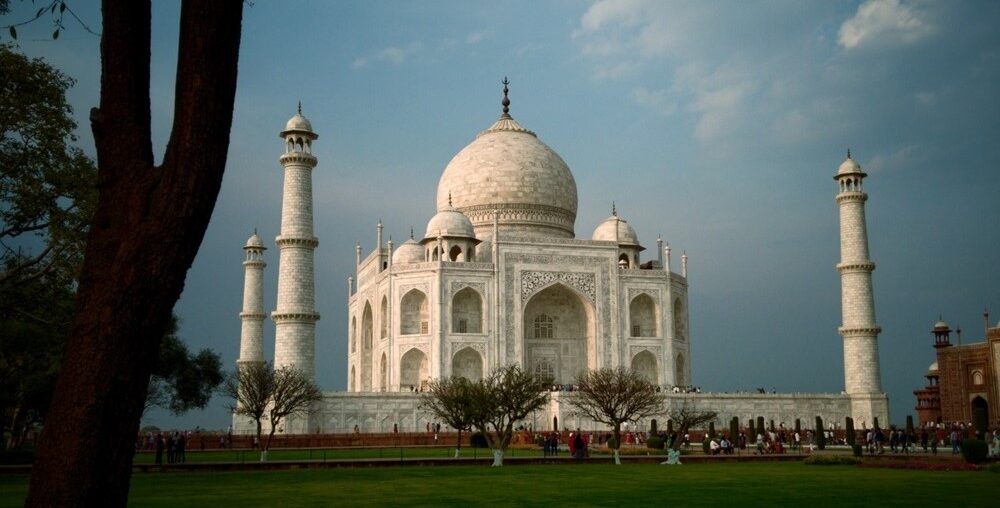
Here are 10 rare historical quick facts about the Taj Mahal presented concisely:
-
The Taj Mahal’s design was inspired by a poetic verse by Bibadal Khan wishing “May the abode of Mumtaz Mahal be paradise”.
-
Shah Jahan originally planned a black marble mausoleum across the Yamuna River as his own tomb, but this was never built due to his imprisonment.
-
An amputee architect, Ustad Ahmad Lahori, led the Taj Mahal’s construction despite having lost a limb, highlighting trust in his craftsmanship.
-
More than 20,000 workers from India, Persia, the Ottoman Empire, and Europe collaborated for 22 years to build the complex.
-
Over 1000 elephants were used to transport construction materials like marble and precious stones.
-
The Taj Mahal’s foundation is made of timber, which has stood the test of time because of constant moisture from the Yamuna River preventing decay.
-
The monument’s four minarets tilt slightly outward, a safety feature designed to protect the main tomb in case of earthquakes.
-
The Taj Mahal changes color throughout the day—from pinkish at dawn, milky white by afternoon, to golden by moonlight.
-
The 28 types of precious and semi-precious stones used were sourced globally, including lapis lazuli from Afghanistan, jade from China, and emeralds from Sri Lanka.
-
The Taj Mahal was camouflaged with bamboo and green cloth during wars in the 20th century to protect it from aerial bombings.
These facts reveal lesser-known aspects that enrich our understanding of the Taj Mahal’s remarkable history and construction marvel.
Suggested Read: Today Taj Mahal Agra Timings, Ticket Entry & Holiday Guide, 2025
Phases of Construction
-
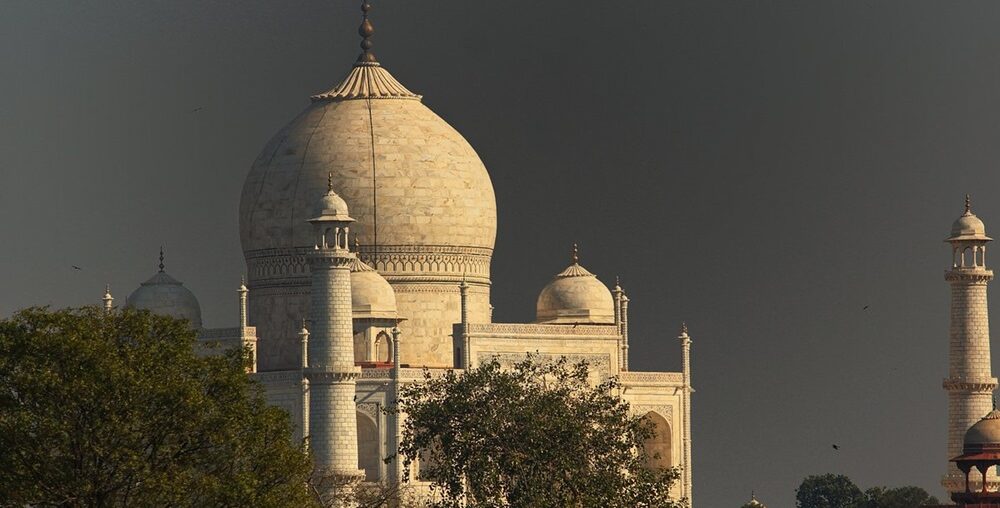
Foundation and Base (c. 1632–1634): The land was acquired and leveled, and a sturdy foundation was constructed using bricks and lime mortar.
- Main Mausoleum (c. 1635–1648): The central tomb, which is the most iconic structure, was erected from pure white marble imported from Makrana, Rajasthan.
-
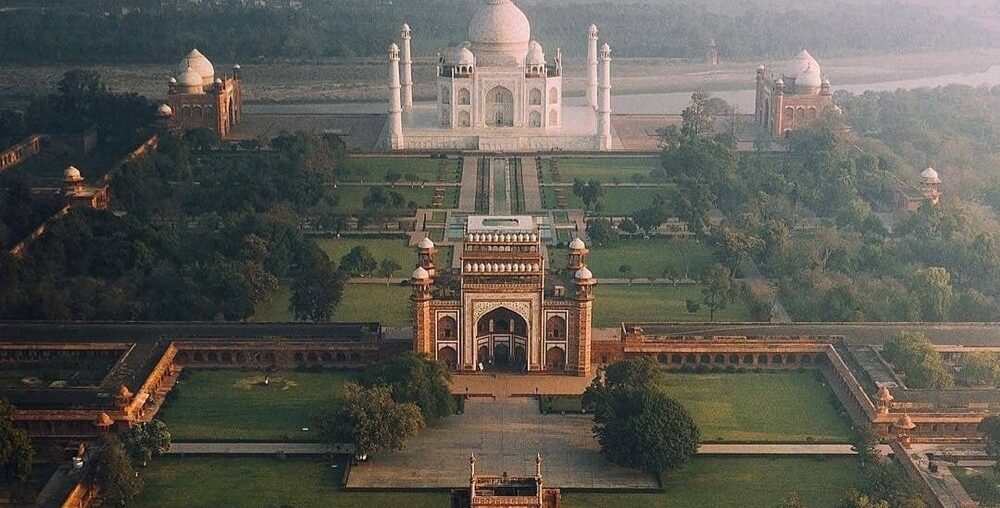
Auxiliary Buildings & Finishing (c. 1643–1653): The surrounding buildings, including the mosque, the guest house, the grand gateway, and the lush gardens, were completed in these years.
People Involved in Its Construction
Shah Jahan didn’t just finance the Taj Mahal; he was actively involved in its planning and artistic direction. Although exact documentation on every individual is rare, history credits Ustad Ahmad Lahori as the principal architect, who led an international team of engineers and artists brought from across South Asia and Central Asia.
- Chief Architect: Ustad Ahmad Lahori
- Skilled Labor: Craftsmen from India, Persia, the Ottoman Empire, and Europe
- Total Labor Force: Over 20,000 people
Some of the lead artisans included sculptors from Bukhara, calligraphers from Syria and Persia, and inlay specialists from South India. Masons, stone cutters, dome builders, and other workers were recruited from far and wide, reflecting the cosmopolitan culture of the Mughal empire.
Materials and Costs
The Taj Mahal’s brilliance comes not just from its design, but from its materials. The main mausoleum uses snow-white marble inlaid with precious and semi-precious stones. Some details include:
- White Marble: Makrana, Rajasthan
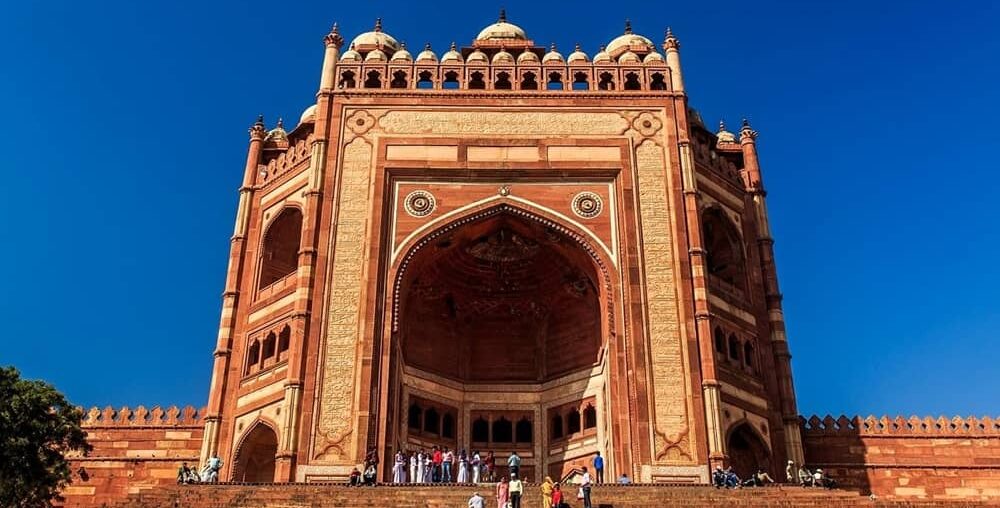
- Red Sandstone: Fatehpur Sikri, Uttar Pradesh
- Precious Stones: Jade (China), Lapis Lazuli (Afghanistan), Sapphire (Sri Lanka), Turquoise (Tibet), Carnelian (Arabia), and many more. Approximately 28 varieties of stones were inlaid into the marble.
The estimated cost of construction was 32 crore rupees at the time, which would be billions in today’s currency. Materials were sourced not only from different regions of India, but also from Asia and the Middle East, further underlining the grand scale of this imperial project.
The Five Key Elements of the Taj Mahal Complex
Shah Jahan envisioned the Taj Mahal as a harmonious unity rather than a single building. The complex is spread across 17 hectares (about 42 acres) and features five principal elements:
- The Main Gateway
- The Charbagh Garden
- The Mosque (Masjid)
- The Jawab (a building mirroring the mosque)
- The Mausoleum with Four Minarets
Each element was carefully designed and located to maintain perfect symmetry and proportion, hallmarks of Mughal architecture.
Architectural Style
Mughal architecture is an enchanting blend of Persian, Turkish, Indian, and Islamic styles. Key features include:
- Bulbous onion-shaped dome
- Four slender minarets
- Intricate pietra dura (stone inlay work)
- Symmetrical geometry and vast gardens
- Floral and calligraphic decorations
Designers and artisans used inlays of yellow marble, jasper, jade, and other stones to create intricate motifs all over the monument, especially around the main tomb. The Taj Mahal’s decoration is considered a masterpiece of detail and craftsmanship.
Why Was the Taj Mahal Built?
The Taj Mahal stands as a testament to Shah Jahan’s undying love for Mumtaz Mahal. He wanted to create not just a tomb, but an earthly replica of paradise—an abode as magnificent as his love for her. The poignant symbolism and breathtaking beauty of the monument continue to inspire poets, artists, and romantic souls worldwide.
Color-Changing Marvel
The Taj Mahal is renowned for its remarkable ability to change color throughout the day:
- Pinkish hue in the morning
- Brilliant white in the afternoon
- Golden glow in the moonlight
This phenomenon is due to the translucency of the Makrana marble and the interplay of sunlight and moonlight on its surface. Such dynamic beauty mesmerizes onlookers and enhances its mystique.
Who Lies Within the Taj Mahal?
The heart of the Taj Mahal contains the cenotaphs of Mumtaz Mahal and Shah Jahan. However, these ornate cenotaphs are symbolic; the actual tombs are beneath the main chamber in a plainer crypt, as ornate decoration is forbidden by Islamic tradition.
Recognition and Legacy
- UNESCO World Heritage Site: Designated in 1983 for its “universal value” as a masterpiece of human creative genius.
- One of the New 7 Wonders of the World: Voted in 2007.
- Preserved by the ASI: The Archeological Survey of India oversees the Taj Mahal’s conservation and tourist management.
The Taj Mahal is one of the most visited tourist attractions in India and globally. Over five million visitors explore its grounds every year, bearing witness to its status as a monument of love and beauty.
Visiting the Taj Mahal Today
- Location: Agra, Uttar Pradesh, India, on the bank of the Yamuna River
- Timings: Sunrise to sunset (closed on Fridays); night viewing available on select nights
- Entry Fee: Varies for domestic and international tourists; children under 15 enter free
If you visit, don’t miss seeing the Taj Mahal at different times of day to enjoy the magical shifts in color.
Conclusion: The Timeless Heritage
To answer: When was the Taj Mahal built? Construction started in 1632 and was completed in 1653, with the central mausoleum finished in 1648. The Taj Mahal was created as a glorious tribute to love and the enduring vision of Shah Jahan. Mastery, dedication, and a compelling personal story make this monument a wonder in every sense.
Its story of love, legendary craftsmanship, and the beauty of its white marble have ensured the Taj Mahal’s place as an eternal jewel in the crown of the world’s architectural wonders.
Taj Mahal When Was It Built Taj Mahal When Was It Built Taj Mahal When Was It Built Taj Mahal When Was It Built Taj Mahal When Was It Built Taj Mahal When Was It Built Taj Mahal When Was It Built Taj Mahal When Was It Built Taj Mahal When Was It Built Taj Mahal When Was It BuiltTaj Mahal When Was It Built Taj Mahal When Was It Built Taj Mahal When Was It Built Taj Mahal When Was It Built