
Discover Sarnath India: Why Saranth famous for Buddhism?
Sarnath India is a significant pilgrimage site located about 8 miles northeast of Varanasi in Uttar Pradesh, making it an easy half-day trip. The travel time is approximately 30-40 minutes, and there are several convenient options to reach this historical destination.
It is in the northeastern part of Varanasi, Uttar Pradesh, India, Sarnath is a revered religious city that holds immense significance for Buddhist followers worldwide. Recognized as one of the four principal pilgrimage sites sanctified by Gautama Buddha, Sarnath stands alongside Lumbini (the birthplace), Bodh Gaya (the site of enlightenment), and Kushinagar (the site of Buddha’s Mahaparinirvana).
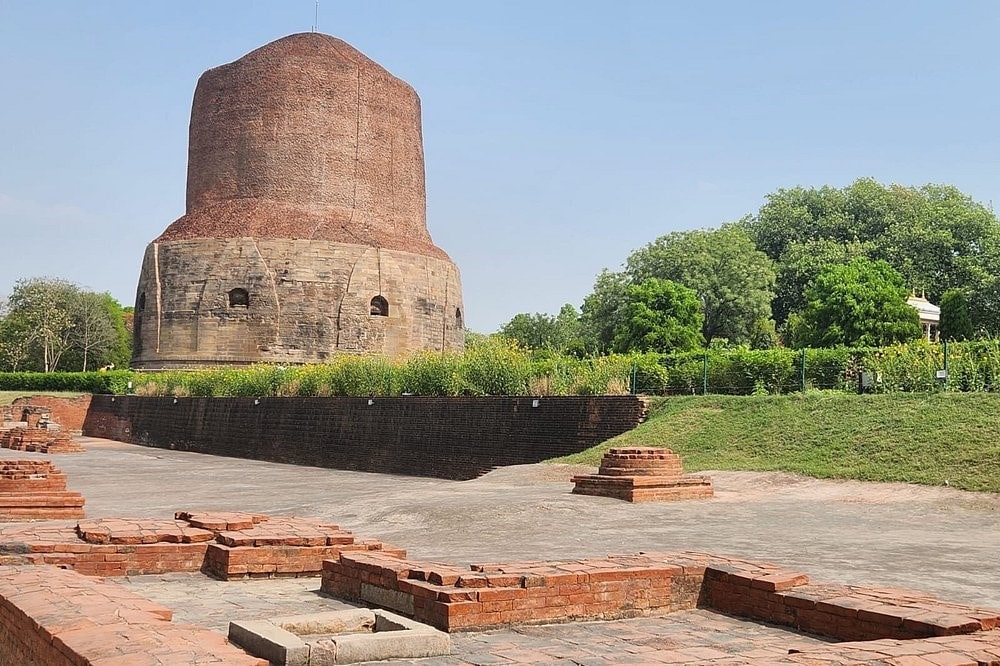
Sarnath Buddhism
Sarnath is one of the most important and sacred pilgrimage sites for the Buddhist world, directly linked to the life and teachings of Lord Buddha. It is here that Buddha commenced his journey of Dhamma by delivering his first sermon around 528 BCE.
This profound event marks Sarnath as a pivotal location in Buddhism, attracting devotees and travelers seeking to connect with its rich spiritual heritage. The site is not only a historical landmark but also a place for reflection and meditation, embodying the essence of Buddha’s teachings.
Suggested Read: A Day Trip of Sarnath from Varanasi: How to Reach | What see
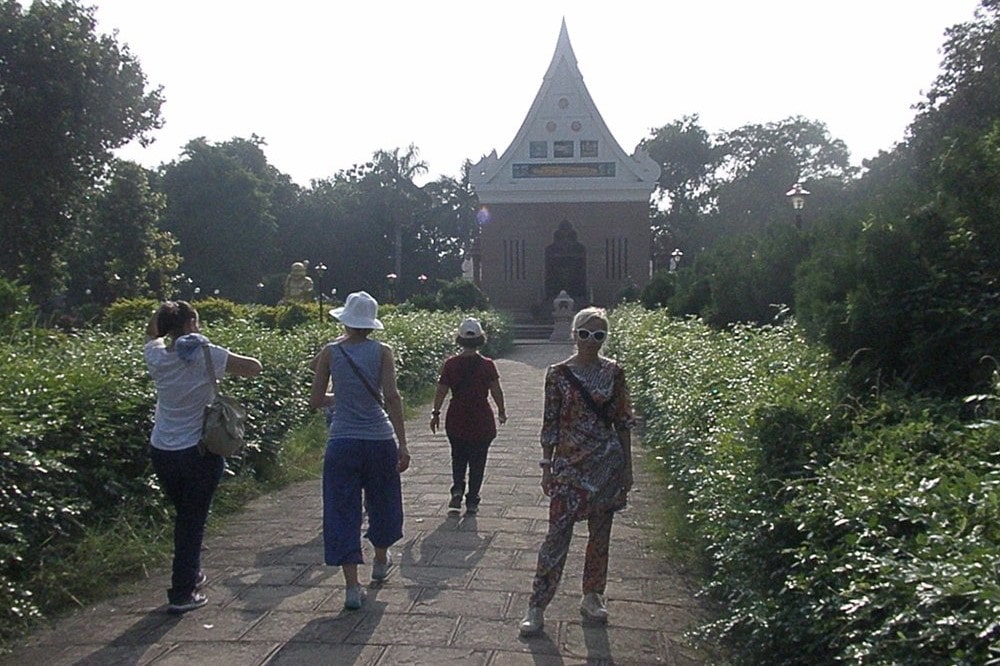
Sarnath India: Origin of Buddhist Teachings
At the heart of Sarnath’s spiritual importance lies Deer Park, the sacred location where Gautama Buddha began his transformative journey of teaching. It is renowned as the site where he first expounded the Dharma.
After six years of rigorous practice, Lord Buddha attained enlightenment in Bodh Gaya and, five weeks later, arrived in Sarnath to share his insights with the Pañcavaggiya monks who had previously left him. This moment marked the initiation of the “Wheel of Dharma,” symbolizing the spread of his teachings.
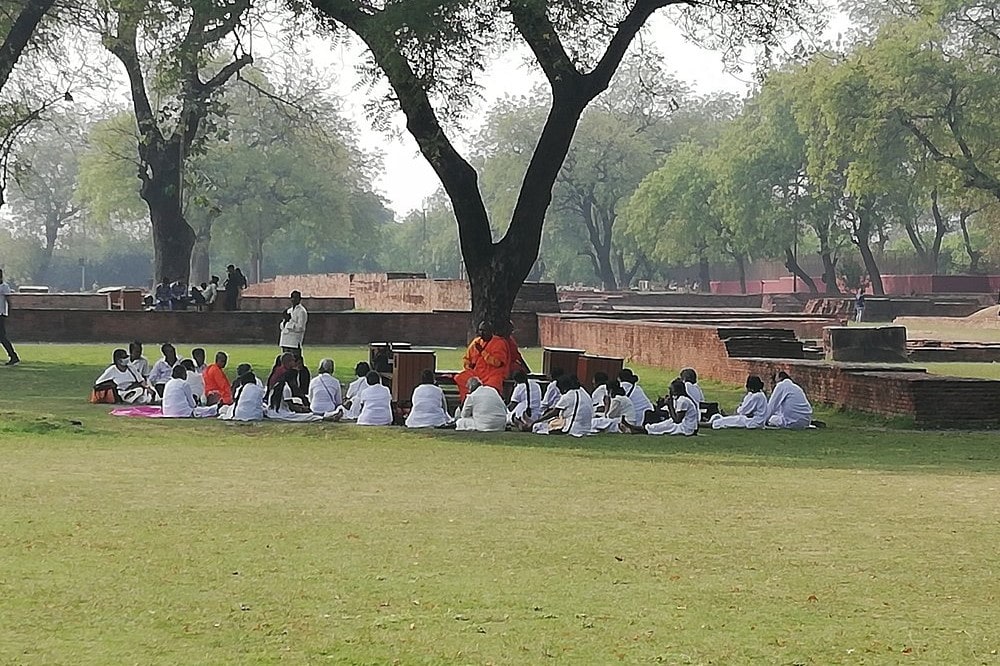
Sermons in Deer Park
In the tranquil surroundings of Deer Park, Lord Buddha delivered his inaugural sermon, the Dhammacakkappavattana Sutta, aimed at liberating humanity from suffering. This serene locale witnessed the unfolding of other profound teachings, including the Anattalakkhana Sutta, Saccavibhanga Sutta, Pañca Sutta, and several others, each contributing to the rich tapestry of Buddhist doctrine. Concepts such as the Middle Way, the Four Noble Truths, and the Eightfold Path resonated amidst the verdant landscape.
The Four Noble Truths and the Eightfold Path
- There is Suffering Sarnath India
- Cause of Suffering Sarnath India
- End of the Cause Sarnath India
- Eightfold Path to End Suffering Sarnath India
Recognizing the human predicament, Lord Buddha prescribed the Eightfold Path as a transformative guide to alleviate suffering, offering a practical framework for spiritual development.

Architectural Marvels of Sarnath India
Sarnath’s allure extends beyond its spiritual teachings to its impressive architectural marvels, each echoing its storied past. Sarnath India
- The Dhamekha Stupa: This conspicuous structure is believed to have served as the dwelling place for the Pañcavaggiya monks. Constructed by Emperor Ashoka, it is considered the sacred ground where the voice of Buddhism first resonated.
- The Chaukhandi Stupa: Currently undergoing reconstruction, this stupa marks the site where Buddha met his first disciples, symbolizing the beginning of the Buddhist community.
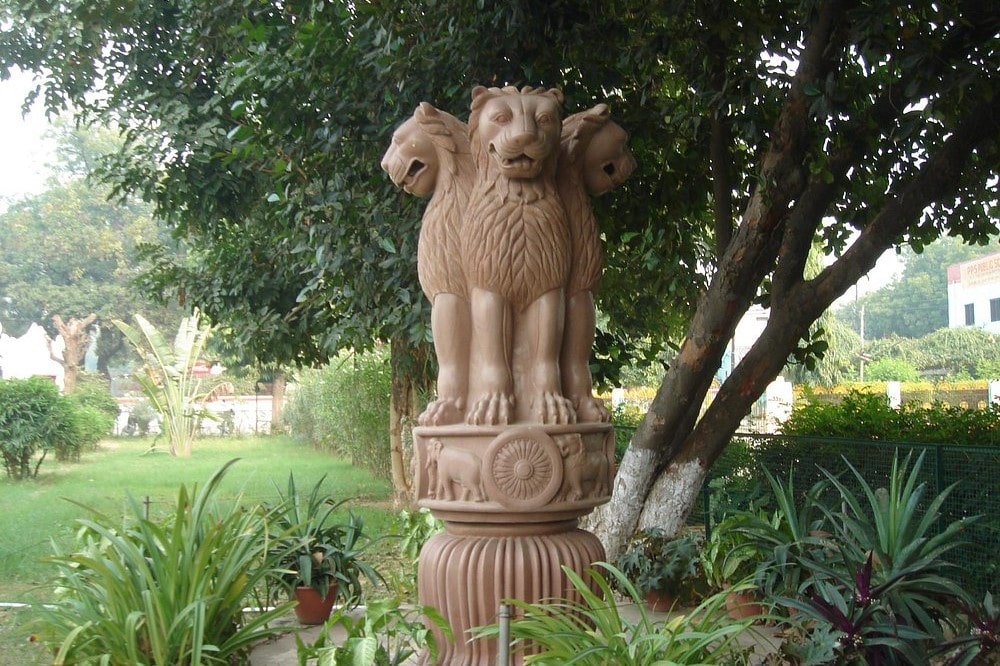
- The Ashoka Pillar (Lion Capital of Ashoka): Despite sustaining damage during invasions, this pillar remains an enduring symbol of imperial patronage and Buddhist strength.
- Monastery Around Dhamekha Stupa: This monastery enhances the spiritual ambiance of Sarnath and offers a glimpse into the communal life of monks during ancient times.
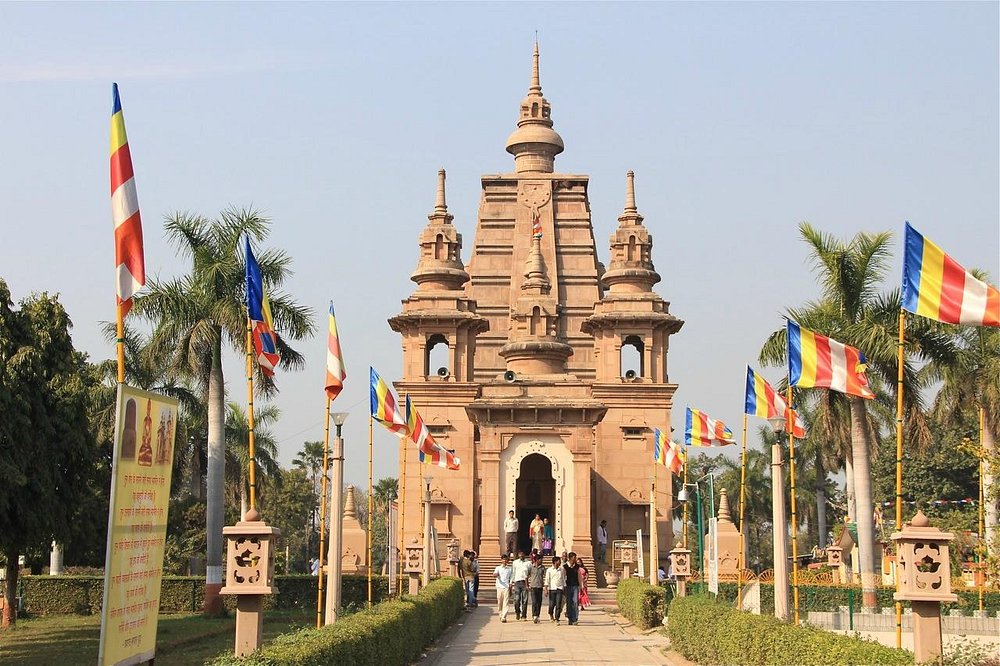
Other Important Places in Sarnath India
- Mulagandhakuti Vihara: This modern temple stands at the site where Lord Buddha is believed to have spent his first rainy season in meditation, serving as a reminder of his deep commitment to spiritual practice.
- Sarnath Archaeological Museum: Housing a vast collection of artifacts, this museum provides a visual narrative of Sarnath’s historical and cultural evolution, making it a must-visit for anyone interested in Buddhist history.
Sarnath: A Living Legacy of Buddhism
With its intertwined threads of spirituality, history, and architectural grandeur, Sarnath serves as a living legacy of Buddhism. Pilgrims and scholars alike are drawn to its serene ambiance, where the echoes of Lord Buddha’s teachings resonate through time.
As Sarnath continues to be a spiritual haven, it remains a vibrant chapter in the expansive narrative of Buddhism, inviting seekers to immerse themselves in its profound wisdom and timeless tranquility.
Visiting Sarnath is not just a journey to a historical site; it is a pilgrimage into the heart of Buddhist philosophy and practice, offering an unparalleled experience of peace and enlightenment.

The History of Sarnath India
Sarnath, a pivotal site in the history of Buddhism, is deeply intertwined with the life of Siddhartha Gautama, who later became known as the Buddha. Born in Lumbini around the 5th century B.C., Siddhartha led a life of luxury until the age of 30 when he ventured beyond his palace walls.
During this journey, he encountered the harsh realities of illness and death, prompting him to renounce his princely life in search of liberation from suffering.
The Awakening Under the Bodhi Tree
Siddhartha’s quest led him to meditate under the sacred Bodhi tree in Bodhgaya, where he achieved enlightenment on a full moon night.
This momentous event marked the beginning of his teachings, yet the Buddha sought to first connect with five former companions who had abandoned him during his pursuit of asceticism. Hearing that they were residing in a deer park at Sarnath, he traveled there to impart his newfound wisdom.
Upon arriving at Sarnath, the Buddha shared the Four Noble Truths with his companions, leading to their conversion and establishment as his first disciples. This event set the stage for Sarnath to become a significant hub for Buddhism, particularly due to its proximity to Varanasi.
Ashoka’s Influence on Sarnath India
Several centuries later, during the 3rd century B.C., Mauryan Emperor Ashoka played a crucial role in the development of Sarnath.
Haunted by the brutality of his conquest of Kalinga (modern-day Odisha), Ashoka converted to Buddhism and adopted a philosophy of nonviolence. To promote the teachings of Buddhism, he constructed stupas and pillars throughout India, with the most notable being at Sarnath.
The Ashoka Pillar at Sarnath is especially renowned; it features four lions and the Dharma Chakra, symbolizing the essence of Buddhist teachings. This pillar is also the inspiration behind India’s national emblem and appears on the Indian flag, showcasing its importance in Indian heritage.
The Golden Age of Buddhism
Under the patronage of subsequent rulers, Sarnath flourished with the construction of additional stupas and monasteries. During the Gupta dynasty in the 4th century A.D., Sarnath became a vibrant center of Buddhist art and sculpture.
By the 7th century, it was a major center for the study of Buddhism, attracting thousands of monks who lived in its monasteries.
Decline and Rediscovery
However, the arrival of Turkish Muslim invaders in the 12th century marked a tragic decline for Sarnath. Many structures were destroyed, including significant sites established by Ashoka.
The Dharmarajika Stupa, a prominent landmark, suffered further destruction in the late 18th century when local rulers repurposed its remains for construction.
Despite these challenges, the site was rediscovered in the 19th and 20th centuries through the efforts of British archaeologists, sparking renewed interest in its historical significance.
Sarnath India Today
Today, Sarnath is undergoing efforts for recognition as a UNESCO World Heritage Site. The Indian government aims to develop world-class facilities for pilgrims and tourists, ensuring that this sacred site continues to inspire generations to come.
Sarnath stands as a testament to the rich tapestry of Buddhist history, embodying the journey from suffering to enlightenment, and remains a vital pilgrimage site for Buddhists worldwide.
Sarnath Museum Varanasi
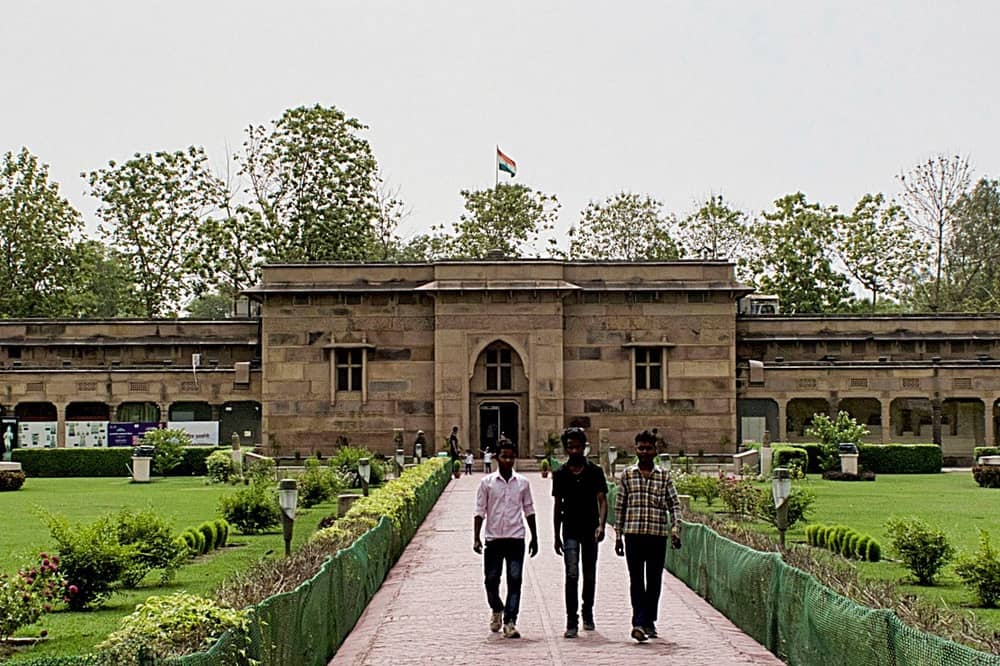
The Sarnath Museum Varanasi is a treasure trove of Buddhist art and history, comprising five galleries and two verandas filled with meticulously presented antiquities. The collection dates from the 3rd century B.C. to the 12th century A.D., showcasing nearly 7,000 sculptures and artifacts that reflect the rich heritage of Buddhism.
Virtual Tour: Sarnath Museum Varanasi
This virtual tour offers a glimpse into the museum’s extensive collection, is now allowed with proper cameras, a welcome change, although mobile phones remain prohibited. Visitors must leave their phones and bags in the cloakroom near the ticket office, likely to minimize distractions and selfie-taking.
Main Hall – Gallery 3:
Upon entering, visitors are greeted by the museum’s most renowned piece: the Lion Capital of Ashoka. This magnificent sculpture, carved from a single block of Chunar sandstone, stands 2.31 meters tall and showcases the exquisite craftsmanship of Mauryan art. Originally crowning an Ashokan pillar, three of its four parts remain intact. The capital features:
- A bell-shaped vase adorned with inverted lotus leaves at the base.
- A round abacus with four running animals: an elephant, a bull, a horse, and a lion, each separated by a dharmachakra (wheel of Dharma). Sarnath India
Important Places in Buddha’s Life
The museum’s panels vividly depict key moments from the life of Gautama Buddha, illustrating his journey and teachings:
Column 1 Sarnath India
- Sarnath: Buddha’s first sermon, depicted with him seated on a lotus pedestal in a preaching posture, flanked by Bodhisattvas Maitreya and Avalokitesvara.
- Sankisa: The scene of Buddha’s descent from heaven.
- Vaishali: A panel showing a monkey offering a honey pot to Buddha, with the monkey’s rebirth depicted after falling into a well.
- Lumbini: The birth scene of Buddha, featuring Queen Maya holding a branch of the Saal tree, with Indra and Brahma by her side.
Column 2 Sarnath India
- Kushinagar: Buddha’s death scene, portraying him lying on his bed surrounded by mourning disciples.
- Sravasti: The miracle of Sravasti, where Buddha performed the “Sahasra Buddha,” surrounded by his images and seated devotees.
- Rajgirh: The episode of Buddha taming the mad elephant Nalagiri, charged to kill him by Devadutta.
- Bodhgaya: Buddha in meditation under the Bodhi tree, achieving enlightenment, with Mara aiming a bow and arrow at him.
Gold Gallery 1 Sarnath India
Adjacent to Gallery 1 is the Gold Gallery, showcasing treasures discovered in 1990 at the Myanmar Temple site. This collection includes:
- Gold foil on copper beads
- Gold replicas of stupas
- Gold garlands and figures, including a standing human figure, possibly of Buddha.
Gallery 4: Sarnath India
Gallery 4 extends the exploration beyond Buddhism, featuring Brahmanical deities like Surya, Saraswati, and Mahishamardini, alongside secular objects, including animal and human figures. Highlights include:
- Buddha Statues from various periods, including an 11th-century piece.
- Bird Head figure from the 3rd century B.C., showcasing the distinctive Mauryan polished finish.
- Yaksha, riders, and other significant artifacts spanning from the 1st to 6th centuries A.D.
Gallery 5: Hindu Deities
Gallery 5 is dedicated to Hindu deities, featuring stunning sculptures such as:
- Shiva as Bhairava, a striking representation from the 6th century A.D.
- A colossal image of Shiva slaying the demon Andhaka, dating to the 12th century A.D.
- Various depictions of Ganesha, Kartikeya, and the Navagrahas (nine planets).
Galleries 6 and 7: Architectural Artifacts
The two verandas showcase architectural elements, including:
- Lintels, door jambs, and face stones from the 6th to 11th centuries A.D.
- Intricate architectural fragments adorned with motifs such as the Swastika.

Getting There Sarnath India
Transportation Options
- Auto-Rickshaw or Ola Cab: The most convenient way to reach Sarnath India is by taking an auto-rickshaw or an Ola cab (Uber is not available in Varanasi yet).
- Estimated Cost: ₹200-300 for an auto-rickshaw and ₹400-500 for a taxi (one way).
- Tip: It’s advisable to negotiate a fare for a round trip.
- Public Transport: Cheaper alternatives include buses and shared auto-rickshaws that operate from Varanasi Junction railway station.
- Bicycle Rentals: Once in Sarnath, consider hiring a bicycle to explore the area at your own pace.
Guided Tours Sarnath India
For a deeper understanding of the historical monuments, local guides are available at Sarnath, typically charging around ₹500. If you’re willing to visit shops for their commission, you might pay less.
Important Tips Sarnath India
- Best Days to Visit: Avoid Fridays as the Sarnath Museum is closed.
- Ticketing: Some monuments require tickets that can be purchased online from the Archaeological Survey of India or at the ticket office upon arrival.
What to See in Sarnath India
Major Attractions
Dhamekh Stupa Complex:
-
- This complex houses the Dhamekh Stupa, believed to be the spot where the Buddha delivered his first sermon. It features excavated ruins, remains of Buddhist monasteries, the Ashoka Pillar, and the Dharmarajika Stupa.
- Opening Hours: Daily from dawn until dusk.
Entry Fees: Sarnath India
-
-
- Foreigners: ₹300 (cash) or ₹250 (cashless)
- Indians: ₹25 (cash) or ₹20 (cashless)
-
Sound and Light Show: Sarnath India
-
- A high-tech show narrating the life and teachings of the Buddha takes place every evening from 7:30 p.m. to 8 p.m. at the Dhamekh Stupa, featuring the voice of renowned Bollywood actor Amitabh Bachchan.
Sarnath Archaeological Museum:
-
- Located adjacent to the Dhamekh Stupa complex, this museum showcases artifacts from the 3rd century B.C. to the 12th century A.D., including the impressive top of the Ashoka Pillar.
- Opening Hours: Daily, except Fridays, from 9 a.m. to 5 p.m.
- Entry Fee: ₹5 for both foreigners and Indians. Photography is not allowed.
Modern Temples and Monasteries:
-
- Mulagandha Kuti Vihar: Built in 1931 by the Sri Lanka Mahabodhi Society, this temple honors the shrine where the Buddha is said to have meditated.
- Visiting Hours: Daily from 4 a.m. to 11:30 a.m. and 1:30 p.m. to 8 p.m.
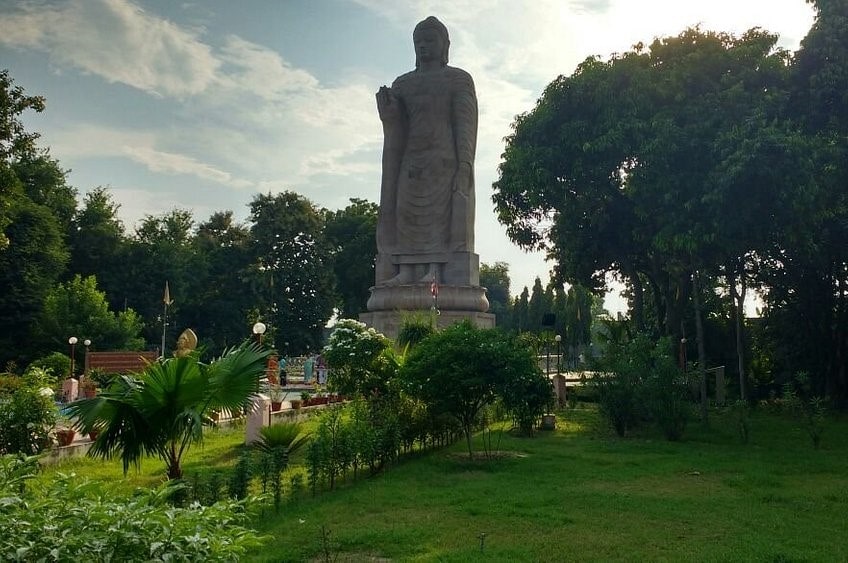
- Thai Temple and Monastery: Features an 80-foot-tall stone Buddha statue, claimed to be the largest in India.
- Mulagandha Kuti Vihar: Built in 1931 by the Sri Lanka Mahabodhi Society, this temple honors the shrine where the Buddha is said to have meditated.
Chaukhandi Stupa: Sarnath India
-
- This stupa marks the spot where the Buddha reunited with his five companions.
- Entry Fee: ₹300 (cash) or ₹250 (cashless) for foreigners, ₹25 (cash) or ₹20 (cashless) for Indians.
Garden of Spiritual Wisdom:
-
- A new attraction featuring sculptures and exhibits related to Buddhism, along with a section for Ayurvedic plants.
Jain Temple: Sarnath India
-
- Close to the Dhamekh Stupa complex, this 19th-century temple is dedicated to Shreyanshnath, the eleventh Jain Tirthankara.
Visitor Experience at Sarnath Museum Varanasi
The Sarnath Museum Varanasi is a treasure trove of ancient art, and no visit to the archaeological site is complete without exploring its galleries. It opens daily from 9 AM to 5 PM, except on Fridays, with an admission fee of just Rs 5/-, making it an incredibly accessible destination.
sarnath from varanasi where is sarnath in india what is sarnath famous for how to reach sarnath from varanasi varanasi to sarnath distance