
Makkumath Temple: The Winter Seat of Tungnath ( Guide 2026 )
Hidden in the serene valleys of Uttarakhand, Makkumath is a spiritually significant village known as the winter seat of Tungnath Temple, the highest Shiva temple in the world. When heavy snowfall makes Tungnath inaccessible during winter, the deity is ceremonially shifted to Makkumath, where devotees continue worship for nearly six months.
Surrounded by forests, terraced fields, and snow-clad peaks, Makkumath offers a rare blend of religious importance, Himalayan beauty, and peaceful village life—making it a must-visit destination for spiritual seekers and offbeat travelers.
Makkumath Temple
Why Makkumath Temple Is Important
-
Official winter seat of Tungnath
-
Daily pujas continue from November to April
-
Linked to legends of the Pandavas and Lord Shiva
-
Peaceful alternative to crowded summer shrines
The temple architecture is simple yet powerful, reflecting the ancient Himalayan temple style and the deep devotion of the local community.
Makkumath Weather
Makkumath enjoys a cool mountain climate throughout the year, with distinct seasonal changes.
-
Summer (April–June): Pleasant, green landscapes
-
Monsoon (July–September): Lush but landslide-prone
-
Winter (November–March): Cold, occasional snowfall
Winter is the most spiritually significant time, as devotees visit Makkumath instead of Tungnath during this period.
Makkumath Temperature
-
Summer: 10°C to 25°C
-
Monsoon: 12°C to 20°C
-
Winter: –2°C to 10°C
❄️ During peak winter, nights can be freezing, so warm clothing is essential.
Makkumath to Tungnath Distance
-
Makkumath to Tungnath distance: ~25–30 km (by road + trek)
During summer:
-
Travel from Makkumath to Chopta
-
Trek 3.5 km from Chopta to Tungnath
During winter:
-
The Tungnath trek is closed due to snow
-
The deity is worshipped at Makkumath Temple
This seasonal movement of the deity is one of the most fascinating aspects of Uttarakhand’s living temple traditions.
yatra.
What Is Char Dham Yatra?
Before diving into winter travel, it’s important to understand what is Char Dham Yatra. The Char Dham Yatra is a sacred Hindu pilgrimage to four holy shrines:
-
Yamunotri
-
Gangotri
-
Kedarnath
-
Badrinath
These shrines are located in the high Himalayas of Uttarakhand and are traditionally visited between April and November. Due to heavy snowfall, the temples close in winter, but the pilgrimage does not end—it simply transforms.
What Are Char Dham Yatra Locations in Winter?
Many travelers ask, what are Char Dham Yatra destinations during winter?
During the winter Char Dham yatra, the deities are moved to lower-altitude villages:
-
Kedarnath → Ukhimath (and surrounding sacred villages like Makkumath)
-
Badrinath → Joshimath / Pandukeshwar
-
Gangotri → Mukba Village
-
Yamunotri → Kharsali Village
Makkumath Village lies close to Ukhimath and holds immense spiritual importance for winter pilgrims.
Suggested Read: Ukimath Uttarakhand India Oldest Shiva Temple in The Himalayas
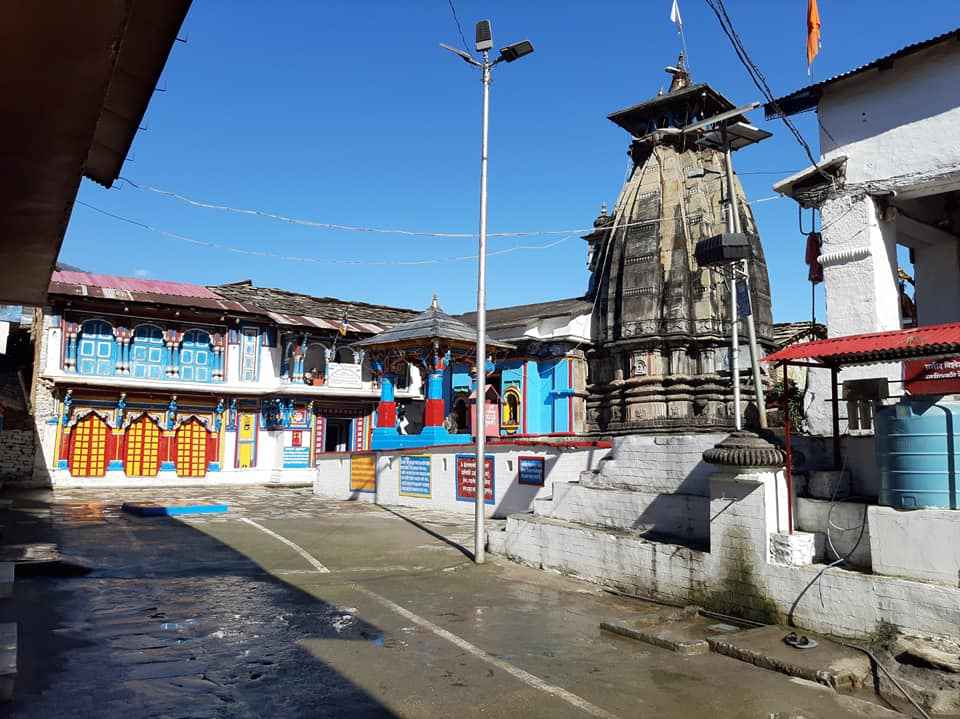
Discover Makkumath Village – Spiritual Silence in Winter Uttarakhand
Makkumath Village is a lesser-known Himalayan settlement located near Ukhimath, surrounded by dense forests, snow-capped peaks, and ancient temples. During winter Uttarakhand, when Kedarnath is buried under snow, villages like Makkumath become centers of devotion, meditation, and slow living.
Unlike crowded pilgrimage towns, Makkumath offers:
-
Absolute silence
-
Authentic Garhwali culture
-
Traditional stone houses
-
Clear views of Himalayan ranges
For travelers seeking peace, Makkumath feels like time has slowed down.
Uttarakhand’s Winter Char Dham Yatra Starts – Why Makkumath Matters
When Uttarakhand’s winter Char Dham yatra starts, thousands of devotees visit Ukhimath, but very few venture deeper into surrounding villages like Makkumath. This is what makes it special.
Staying in Makkumath allows travelers to:
-
Experience local temple rituals
-
Participate in morning and evening aartis
-
Interact with priests and villagers
-
Understand how spirituality continues even after the main temples close
It is an ideal extension for travelers already doing the winter Chardham yatra.
Suggested Read – Winter Seat of Rurdranath & Madhmeshwar Temple

Benefits of Char Dham Yatra in Winter
The benefits of Char Dham Yatra during winter are profound, especially when villages like Makkumath are included:
-
No long queues or crowd pressure
-
Deeper spiritual connection
-
Snow-covered Himalayan beauty
-
Budget-friendly accommodation
-
Authentic village life
For spiritual travelers, winter offers more devotion than display.
Winter Season in Uttarakhand – Travel Experience
The winter season in Uttarakhand runs from November to February. In regions like Rudraprayag and Ukhimath:
-
Temperatures range from -2°C to 10°C
-
Light snowfall may occur in January
-
Days are sunny, nights are cold
Makkumath remains accessible during most of winter, unlike Kedarnath, which becomes unreachable.
How Many Days for Char Dham Yatra Including Makkumath?
A common question pilgrims ask is how many days for Char Dham Yatra in winter.
Ideal Duration:
-
7–9 days for Char Dham winter seats
-
Add 1–2 days if staying in Makkumath Village
This extra time allows you to slow down, meditate, and truly absorb the spiritual energy of the Himalayas.
How to Do Char Dham Yatra by Car in Winter
Travelers often prefer road journeys. If you are wondering how to do Char Dham Yatra by car, winter road travel is very much possible.
Suggested Route:
-
Delhi → Haridwar / Rishikesh
-
Rishikesh → Rudraprayag
-
Rudraprayag → Ukhimath
-
Ukhimath → Makkumath Village
Tips:
-
Hire a local mountain driver
-
Prefer an SUV
-
Avoid night driving
-
Check weather conditions daily
Makkumath is well-connected by motorable roads from Ukhimath.
Is Winter Chardham Yatra Safe for Travelers?
Yes, winter Chardham Yatra is safe with proper planning. The Uttarakhand government promotes winter pilgrimage, ensuring road maintenance and medical support in key areas.
Safety tips:
-
Carry heavy woolens
-
Keep buffer days
-
Follow local advice
-
Register for yatra updates
Makkumath Village, being at a lower altitude than Kedarnath, is safer and more comfortable for winter stays.
Why Travelers Should Include Makkumath in Winter Char Dham Yatra
Most travelers rush through Ukhimath without exploring nearby villages. By choosing Makkumath, you experience:
-
Real Himalayan spirituality
-
Untouched village culture
-
Peaceful winter landscapes
-
Meaningful travel beyond temples
For bloggers, photographers, and spiritual seekers, winter Uttarakhand reveals its true soul in villages like Makkumath.
Why Visit Makkumath?
-
Experience Tungnath darshan in winter
-
Discover an offbeat spiritual village
-
Enjoy quiet Himalayan landscapes without crowds
-
Learn about Panch Kedar traditions
Makkumath is ideal for travelers who want authentic spiritual experiences beyond the popular pilgrimage circuit.
Best Time to Visit Makkumath
-
For temple & spirituality: November to March
-
For weather & village walks: April to June
-
Avoid: Peak monsoon (August)
Conclusion
Makkumath, the sacred winter seat of Tungnath, is more than just a seasonal stop—it is a living example of Uttarakhand’s deep-rooted spiritual traditions. When snow blankets the higher Himalayas, devotion finds its home here, ensuring that the worship of Lord Shiva never ceases.
If you’re looking to experience Himalayan spirituality, peace, and culture away from crowds, Makkumath deserves a place on your travel list.