
Kedarnath to Kanti Sarovar (Gandhi Sarovar) Trek – Distance (2026 Guide)
In yogic tradition, Shiva is revered as the Adi Yogi and Adi Guru—the first yogi and the first teacher. It is believed that Shiva transmitted the yogic sciences to the Sapta Rishis on the serene banks of Kanti Sarovar near Kedarnath. This sacred glacial lake, nestled in the Himalayas, is therefore not just a scenic destination but a cornerstone of yogic lore.
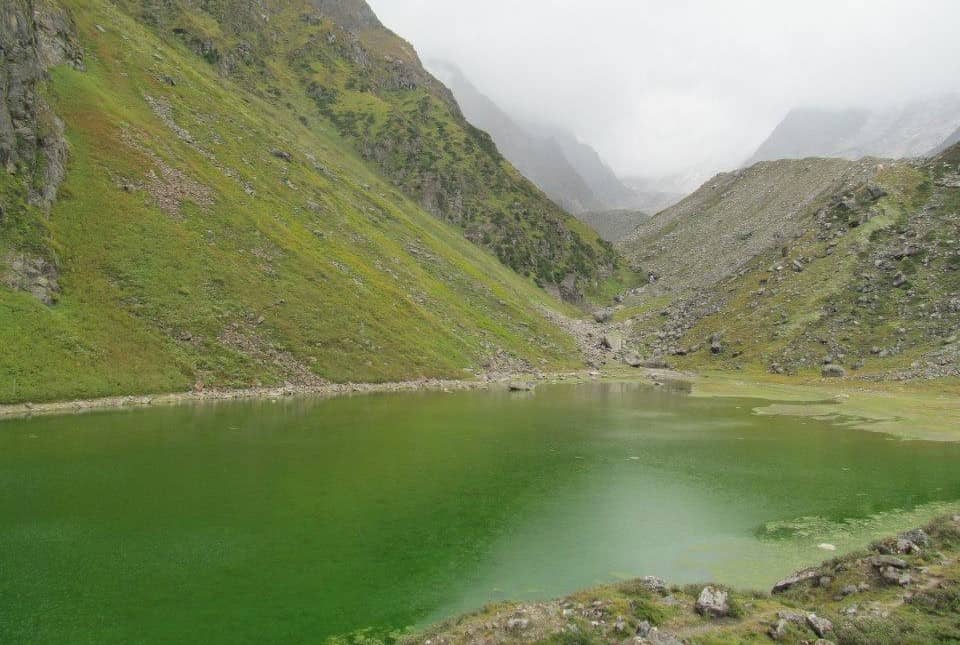
Kanti Sarovar (Also Called Gandhi Sarovar)
Kanti Sarovar is also widely known as Gandhi Sarovar (or Chorabari Tal). The name Chorabari Tal—meaning “black lake”—comes from its location at the mouth of the Chorabari Bamak Glacier. The lake lies below the Kirthi Stambh peak at an elevation of about 3,900 meters, with the towering Kedarnath massif forming a dramatic backdrop.
After Mahatma Gandhi’s ashes were immersed here, the lake was popularly renamed Gandhi Sarovar, though Sarovar remains its original and traditional name.
Belief: Legends say Shiva and Parvati lived near Kanti Sarovar, surrounded by yogis, and the divine couple often visited fellow ascetics in the region.
Kedarnath to Kanti Sarovar Distance
-
Kedarnath to Kanti Sarovar distance: ~3 km (one way)
-
Gaurikund to Kedarnath (for context): ~14 km (one way)
-
Total trek time (Kedarnath → Kanti Sarovar): ~1.5–2 hours
The trail is gentle compared to other Himalayan treks, making it accessible for pilgrims with basic fitness.
Kanti Sarovar Trek Route (Kedarnath → Gandhi Sarovar)
The trek begins just beyond Kedarnath Temple, near the iron bridge, and proceeds toward Chorabari Tal.
Route highlights:
-
Well-paved path for more than half the distance
-
Alpine meadows and glacial streams
-
A breathtaking waterfall en route
-
Open Himalayan vistas with minimal crowds
Tip: Spend time at Kedarnath Temple before starting—many pilgrims consider the visit spiritually complete only after both the temple and Kanti Sarovar.
Best Time to Visit Kanti Sarovar (2026)
-
Best months: May–June and September–October
-
Closed: November–April (heavy snowfall)
-
Avoid: July–August (monsoon; slippery trails)
Early mornings offer the clearest views and calmest conditions.
What to Carry for the Kanti Sarovar Trek
There are no shops or refreshment stalls on the trail, so be prepared:
-
Drinking water (carry extra)
-
Energy snacks (dry fruits, bars)
-
Warm layers (weather changes quickly)
-
Good trekking shoes with grip
-
Sun protection (cap, sunglasses, sunscreen)
-
Basic first-aid
Why Visit Kanti Sarovar?
-
Deep spiritual significance in yogic tradition
-
Peaceful alternative to crowded pilgrimage spots
-
Stunning glacial lake views near Kedarnath
-
Short, rewarding trek suitable for most pilgrims
Quick FAQs
Is Kanti Sarovar the same as Gandhi Sarovar?
Yes. Gandhi Sarovar is the renamed title; Kanti Sarovar is the original name.
How difficult is the trek?
Easy to moderate; suitable for beginners with basic fitness.
Do I need permission?
No special permit is usually required when Kedarnath is open.
Final Thoughts
The Kedarnath to Kantisarovar trek is more than a walk to a lake—it’s a journey into the roots of yogic wisdom and Himalayan serenity. In 2026, if you’re visiting Kedarnath, make time for this short yet profound pilgrimage to experience both nature and inner stillness.