
Badrinath Uttarakhand India | Temple, Temperature, Weather & Travel Guide
Badrinath Uttarakhand India is one of the most sacred pilgrimage destinations in the Himalayas and a key part of the Char Dham Yatra. Nestled in the Chamoli district of Uttarakhand, Badrinath Temple lies between the Nar and Narayan mountain ranges on the right bank of the Alaknanda River.
Mentioned in the Skanda Purana, Kedarkhand, and Shrimad Bhagavatam, Badrinath is revered not only by Hindus but also by followers of Buddhism, Jainism, and Sikhism.
Badrinath Temple – Mythology & Spiritual Significance
According to Hindu belief, Lord Vishnu incarnated here as Nara–Narayana, sons of Dharma and Mata Murti, and performed deep penance for the welfare of the world.
The temple houses a self-manifested Shaligram idol of Lord Badrinath (Narayana) seated in Padmasana with four arms. Devotees believe the idol is eternal and grants divine दर्शन according to one’s faith.
Why Is It Called Badrinath?
When Lord Vishnu meditated here, Goddess Lakshmi took the form of a Badri (jujube) tree to protect him from snow and cold. Hence, the place became known as Badrinath – the Lord (Nath) of Badri.
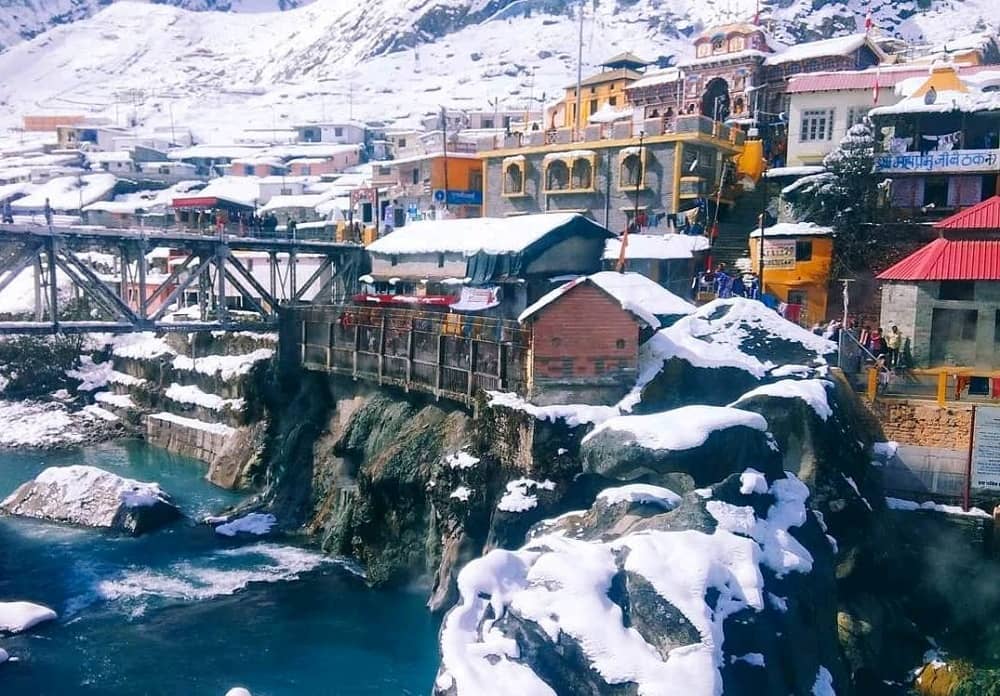
Badrinath in the Four Yugas
-
Satyuga: Muktiprada
-
Tretayuga: Yogasiddhida
-
Dwaparyuga: Vishala
-
Kaliyuga: Badarikashram
It is believed that after leaving the region, Lord Vishnu promised to remain spiritually present in Narad Kund, from where the idol was later retrieved.
Adi Shankaracharya & Badrinath
During the spread of Buddhism, the idol was hidden in Narad Kund for protection. Adi Shankaracharya, considered an incarnation of Lord Shiva, rediscovered and reinstalled the idol.
He:
-
Restored Badrinath Temple
-
Established Jyotir Peeth at Joshimath
-
Declared Badrinath as one of the Char Dhams (with Dwarka, Puri, Rameshwaram)
Since then, worship follows pure Vaishnava traditions, conducted by Rawal priests (Namboodiri Brahmins from Kerala).
Badrinath Uttarakhand Temperature & Weather
Badrinath Weather Overview
The climate of Badrinath remains cold throughout the year due to its high altitude.
Lowest Temperature in Uttarakhand (Badrinath Region)
In peak winter, temperatures in Badrinath can fall below 0°C, making it one of the coldest inhabited pilgrimage regions in Uttarakhand.
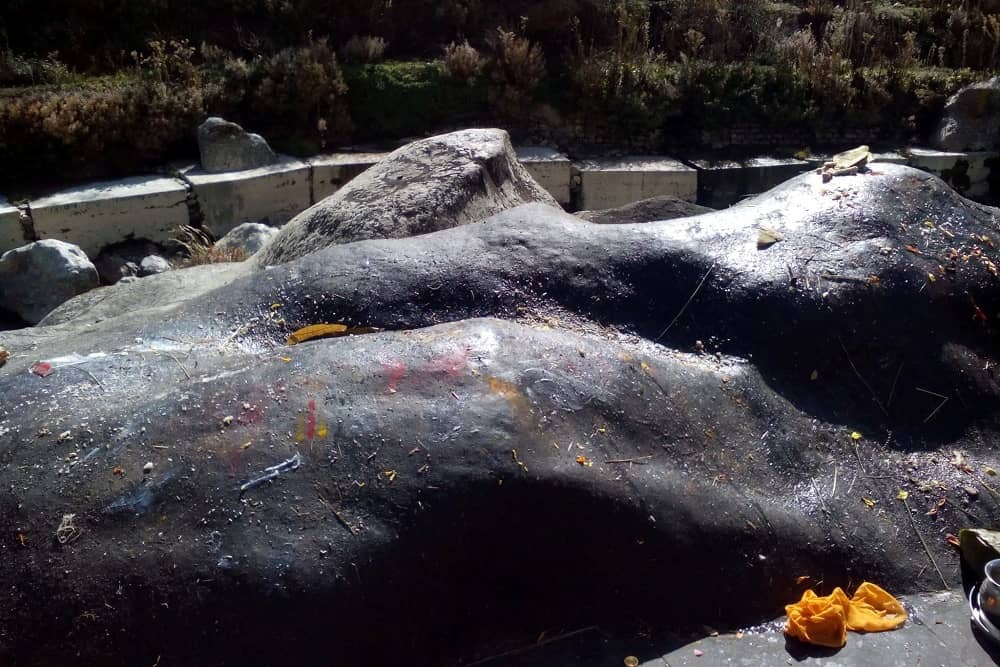
Badrinath Uttarakhand Temperature (Month-wise)
| Month | Min Temp | Max Temp | Weather |
|---|---|---|---|
| January | 1°C | 8°C | Snowfall |
| February | 6°C | 10°C | Snowfall |
| March | 3°C | 11°C | Snowfall |
| April | 6°C | 16°C | Snowfall |
| May | 11°C | 22°C | Sunny |
| June | 9°C | 16°C | Pleasant |
| July | 11°C | 14°C | Rainy |
| August | 12°C | 16°C | Rainy |
| September | 11°C | 14°C | Clear |
| October | 12°C | 17°C | Cold |
| November | 6°C | 14°C | Snowfall |
| December | 5°C | 12°C | Snowfall |
👉 Best time to visit: May–June & September–October
👉 Temple open: April/May to November
Uttarakhand Badrinath Weather by Season
Winter (Oct–Apr)
-
Heavy snowfall
-
Temple closed
-
Extreme cold
Summer (May–June)
-
Best for darshan & sightseeing
-
Pleasant weather
Monsoon (July–Mid Sept)
-
Landslide-prone
-
Check road status before travel
How to Reach Badrinath Uttarakhand India
By Air
-
Nearest Airport: Jolly Grant Airport, Dehradun (≈314 km)
-
Regular flights from Delhi
-
Taxis & buses available from Rishikesh/Haridwar
By Rail
-
Nearest Railway Station: Rishikesh (≈295 km)
-
Well connected with major Indian cities
By Road
Badrinath is connected via all-weather motorable roads.

How Is the Road from Rishikesh to Badrinath?
-
Scenic but mountainous
-
Mostly good condition during peak season
-
Landslides possible during monsoon
-
Approx distance: 298 km
-
Travel time: 10–12 hours
How to Go Kedarnath to Badrinath by Road
Route 1: Kedarnath → Joshimath → Badrinath (247 km)
Via Guptkashi – Rudraprayag – Karnaprayag – Joshimath – Badrinath
Route 2: Kedarnath → Chopta → Gopeshwar → Badrinath (229 km)
More scenic, slightly longer in time
Delhi to Kedarnath to Badrinath Distance
-
Delhi → Kedarnath: ~450 km (road + trek)
-
Kedarnath → Badrinath: 229–247 km
-
Total: ~680–700 km (one way, approximate)
Sacred Kunds & Shilas Near Badrinath Temple
Important Kunds
-
Tapt Kund: Natural hot water spring (0 km)
-
Narad Kund: Idol discovery site (0.5 km)
Important Shilas
-
Narad Shila
-
Markandeya Shila
-
Garud Shila
-
Narasimha Shila
(All located within temple premises)
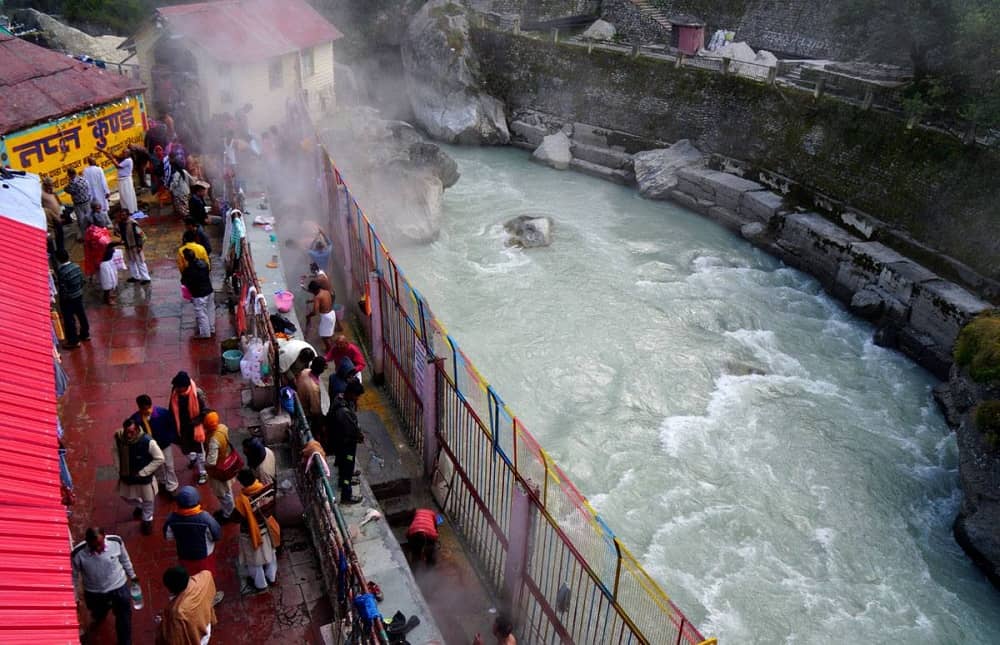
Brahma Kapal – Pind Daan Ritual Site
Located on the banks of the Alaknanda River, Brahma Kapal is among the most sacred places in India for ancestral rituals.
Final Thoughts on Badrinath Uttarakhand India
Badrinath Uttarakhand India is not just a pilgrimage—it is a spiritual ecosystem of temples, kunds, legends, and extreme Himalayan beauty. Whether you’re planning Char Dham Yatra, researching badrinath uttarakhand temperature, or checking uttarakhand badrinath weather, this sacred land offers a once-in-a-lifetime experience.