
The Askot Wildlife Sanctuary: Home to the Himalayan Musk Deer
Hidden deep in the eastern Himalayas, Askot Wildlife Sanctuary is one of Uttarakhand’s most remote and biologically rich protected areas. Located about 54 km from Pithoragarh, this sanctuary was established in 1986 with a focused mission—to protect the endangered Himalayan Musk Deer and its fragile mountain habitat.
Spreading across nearly 600 sq km, Askot Wildlife Sanctuary is a paradise for wildlife lovers, trekkers, and travelers seeking raw Himalayan wilderness.
Askot Wildlife Sanctuary Is Located in Which District?
Askot Wildlife Sanctuary is located in Pithoragarh district of Uttarakhand.
Pithoragarh, often called Little Kashmir of Uttarakhand, is known for its dramatic landscapes, high mountain passes, sacred rivers, and proximity to the Indo-Nepal and Indo-Tibet borders—making Askot strategically and ecologically significant.
Location of Askot Wildlife Sanctuary
The sanctuary lies close to the Indo–Nepal border, alongside the winding Kali River. Its geographic setting is truly unique:
-
East: Nepal
-
West: Almora region
-
South: Pithoragarh town
-
North: Tibet (China)
The altitude ranges dramatically from 2,000 ft to 22,654 ft, creating one of the most diverse ecological gradients in Uttarakhand.
Suggested Read: Pithoragarh to Mansarovar: The most update details
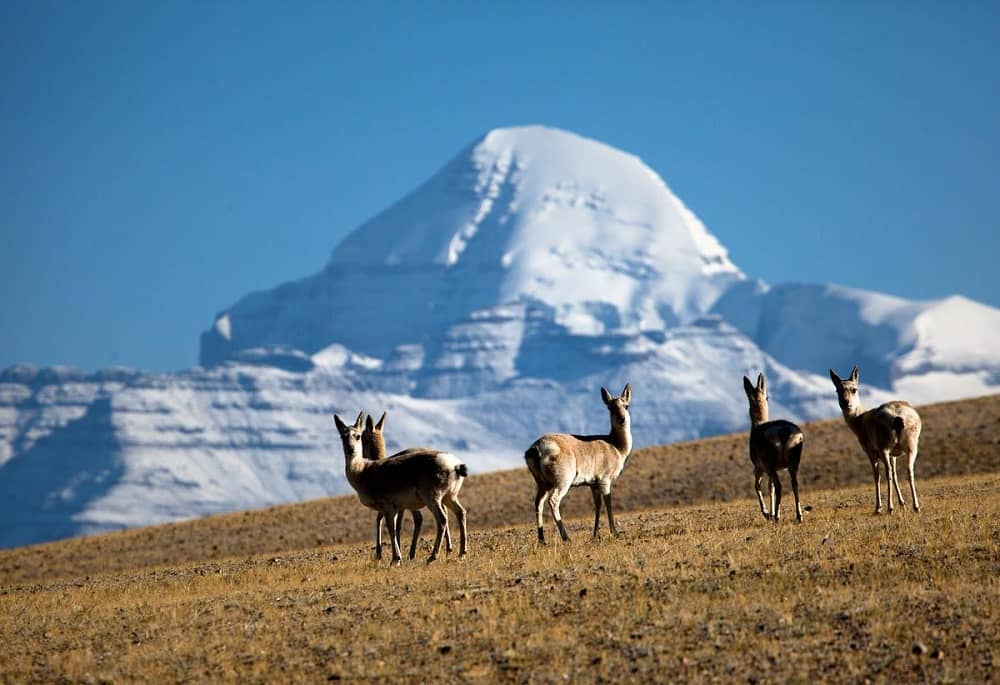
Askot Musk Deer Sanctuary: Altitude & Landscape
Often referred to as the Askot Musk Deer Sanctuary, this protected area sits at an average altitude of 1,600 meters, extending into high alpine zones. The rugged terrain, deep valleys, glaciers, and river systems create ideal conditions for rare Himalayan species.
Major rivers originating or flowing through the sanctuary include:
-
Gori Ganga River
-
Dhauli River
-
Ilki River
Biodiversity of Askot Wildlife Sanctuary
Flora
The sanctuary supports a wide variety of vegetation:
-
Alpine meadows
-
Dense Himalayan forests
-
Medicinal herbs and shrubs
Tall trees such as teak and eucalyptus dominate lower regions, while higher altitudes feature alpine flora.
Fauna
Askot is a wildlife treasure trove, home to:
-
Himalayan Musk Deer (flagship species)
-
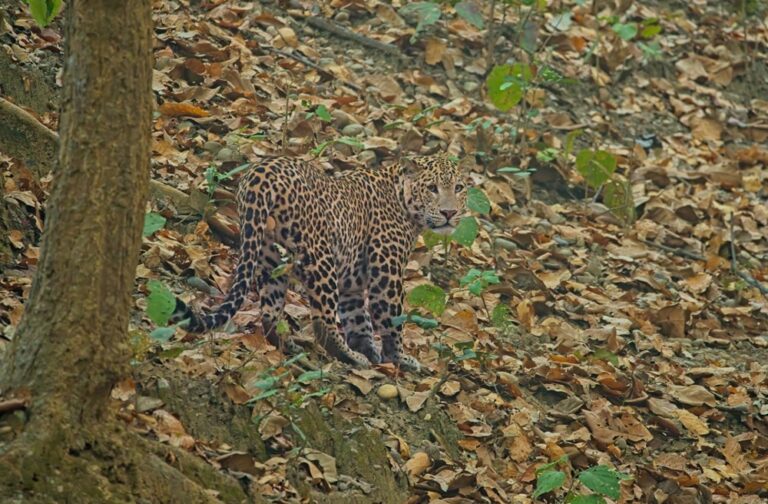
Leopards
-
Brown Bears
-
Serow
-
Jungle Cats
-
Antelopes
-
Bison
-
Spectacled Cobras
-
Monkeys
This diversity makes Askot Wildlife Sanctuary one of the richest wildlife zones in eastern Uttarakhand.
Adventure & Exploration in Askot Wildlife Sanctuary
Beyond wildlife spotting, Askot offers incredible adventure opportunities. Several Himalayan peaks and ancient passes fall within or near the sanctuary:
Major Peaks
-
Panchuli
-
Chiplakot
-
Najrikot
-
Naukana
Historic Mountain Passes
-
Lipu Lekh
-
Lumpiya Lekh
-
Mankshang Lekh
These routes have been used for centuries by traders, pilgrims, and explorers traveling between India, Nepal, and Tibet.
Timings & Entry Information
-
Opening Time: 6:00 AM
-
Closing Time: 5:00 PM
-
Open: All days
Accommodation inside Askot is limited, but travelers can find:
-
Budget hotels in Askot town
-
Mid-range resorts near Pithoragarh
👉 Carry your own food supplies, as dining options are minimal inside forest zones.
Suggested Read: Adi Kailash and Om Parvat form Pithoragarh: details and route
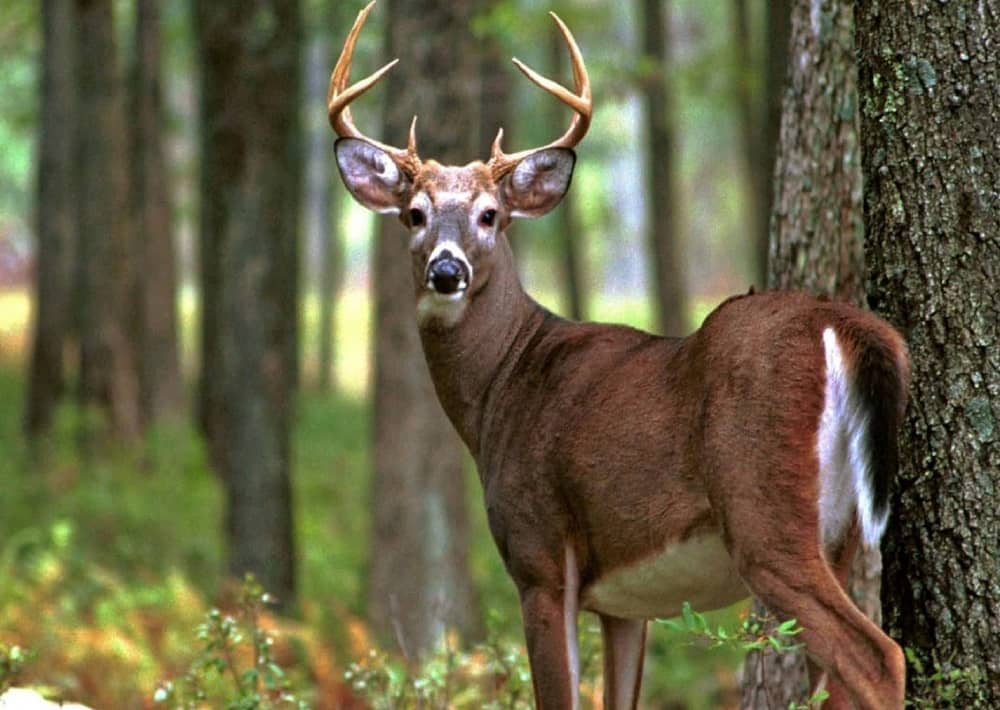
Best Time to Visit Askot Wildlife Sanctuary
The ideal time to visit is between April and September, when:
-
Weather is stable
-
Roads are accessible
-
Wildlife activity is higher
Winters can be extremely harsh due to snow and high altitude.
Conclusion: Why Visit Askot Wildlife Sanctuary
Askot Wildlife Sanctuary in Pithoragarh district is not just a wildlife reserve—it’s a journey into one of the most untouched Himalayan landscapes in India. From protecting the rare Himalayan Musk Deer to offering dramatic mountain views, sacred rivers, and ancient passes, Askot promises an experience that is raw, remote, and deeply rewarding.
🌿 If you seek true wilderness, silence, and discovery, Askot Wildlife Sanctuary should be on your travel map.