
Rishikesh to Babaji Cave Distance, Key Stops & Trek: Complete Guide
For seekers, meditators, and Kriya Yoga practitioners, a journey through the Himalayas feels incomplete without visiting the sacred Mahavatar Babaji Cave. This legendary cave—where Babaji initiated Lahiri Mahasaya into Kriya Yoga in 1861—rests high on Pandukholi Mountain near Dwarahat, far beyond the usual pilgrimage circuits.
If you’re beginning from the spiritual capital of India, Rishikesh, here’s the clear, practical answer to the big question:
What is the Rishikesh to Babaji Cave Distance?
Approx. 300 km by road + a final mountain trek
This is not a quick day trip. It’s a multi-day spiritual expedition that blends long Himalayan drives, holy river confluences, ancient temples, and a quiet forest trek.
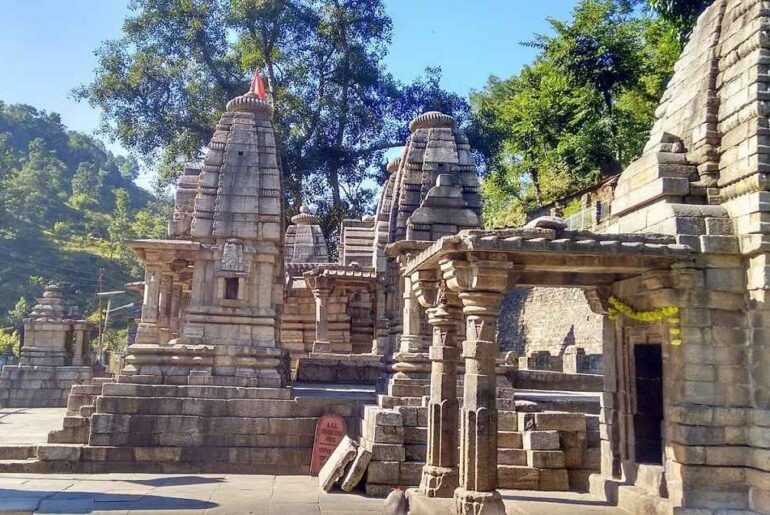
Breaking Down the Journey
1) The Road Journey (≈ 300 km)
The main drive takes you from Garhwal (Rishikesh) into Kumaon, ending at Kukuchina, the last motorable village before the cave.
Common Route (scenic & sacred):
Rishikesh → Devprayag → Rudraprayag → Karnaprayag → Adi Badri → Gairsain/Chaukhutia → Dwarahat → Kukuchina
-
Distance: ~300 km
-
Driving Time: 8–10 hours by private taxi
-
Best Plan: Break the drive with an overnight stay in Dwarahat
This road is as transformative as the destination—river sangams, pine forests, and quiet temple towns carry a distinct Himalayan stillness.

Key Spiritual & Scenic Stops En Route
| Stop | Why It Matters |
|---|---|
| Vashishta Gufa | Ancient meditation cave on the Ganga |
| Devprayag | Confluence of Bhagirathi & Alaknanda—birth of the Ganga |
| Rudraprayag | Alaknanda–Mandakini sangam |
| Karnaprayag | Alaknanda–Pindar sangam |
| Adi Badri | Oldest group of Vishnu temples in the Himalayas |
| Dwarahat | Temple town; ideal overnight base |
| Kukuchina | Last motorable village before the trek |

2) The Final Trek to Babaji Cave (2–3 km)
From Kukuchina, the true pilgrimage begins.
-
Trek Distance: ~2–3 km (uphill)
-
Trek Time: 45 minutes to 1.5 hours (one way)
-
Difficulty: Moderate (steep in sections)
-
Trail: Forest path through pine & rhododendron
-
Spiritual Stop: Yogoda Satsanga Society (YSS) hut en route
Wear sturdy shoes, walk slowly, and allow the silence to guide you.
Suggested 3-Day Itinerary (Ideal Pace)
Day 1: Rishikesh → Dwarahat (≈ 8–9 hrs)
Stops at river confluences and Adi Badri. Overnight in Dwarahat.
Day 2: Dwarahat → Kukuchina → Trek to Babaji Cave
Morning trek, meditation at the cave, visit YSS hut & Dunagiri Temple. Return to Dwarahat.
Day 3: Dwarahat → Rishikesh
Relaxed return with optional stops (Vashishta Gufa).

Best Time to Visit Babaji Cave
-
Best Months: April–June & September–November
-
Avoid: July–August (monsoon; slippery trails)
-
Winter: Possible with preparation; mornings are cold
Visiting Hours (approx.): 9:00 AM – 3:30 PM (seasonal variations)
Essential Tips
-
Start early on trek day to return before dusk
-
Carry water, light snacks, and warm layers
-
Facilities are minimal—pack thoughtfully
-
A local driver/guide adds comfort and safety
Quick FAQ
Is the trek difficult?
Moderate. Manageable for most with basic fitness.
Is there an entry fee?
No, entry is free.
Can I meditate inside the cave?
Yes—silence is observed; shoes must be removed.
Where exactly is Babaji Cave located?
Near Kukuchina village, close to Dwarahat, on Pandukholi Mountain in Almora district.

YSS Hut by Mahavatar Babaji’s Cave Dwarahat Range
Highlights of the Babaji Cave
- Enter the sacred cave where Mahavatar Babaji is believed to have taught Kriya Yoga to Lahiri Mahasaya, as described in the classic, “Autobiography of a Yogi”.
- The area bursts with pine-scented air and panoramic Himalayan views.
- You can meditate in the cave’s peaceful setting; silence is observed inside, and everyone removes shoes before entering.
Best Time to Visit Babaji Cave
- April to June and September to November provide the most pleasant weather.
- You can visit year-round, but avoid the monsoon months due to slippery trails.
Tips for All Ages
- The trek is moderate but manageable for children and older adults with basic fitness.
- Carry warm clothing, especially in winter. Take extra care if you have breathing difficulties because of the altitude.
- Facilities at the cave are minimal. Pack essentials like water, snacks, and a basic first aid kit.
- Local guides and drivers are helpful, especially if you’re less experienced with Himalayan treks