
Discover Harsil In Uttarakhand: Planning a trip? Here’s A Quick Guide
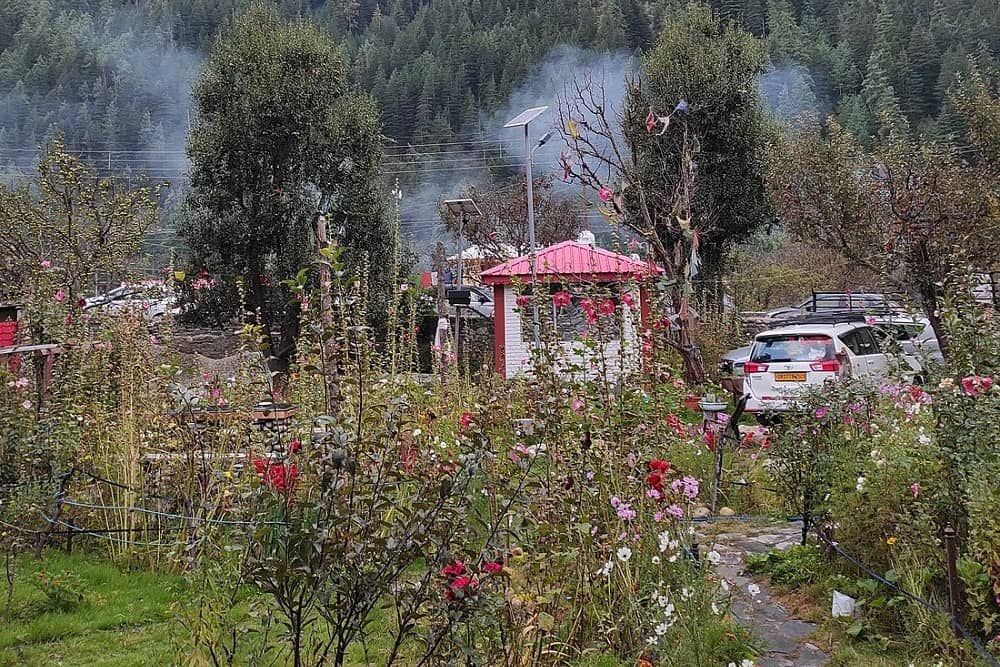
Places to Visit near Harsil In Uttarakhand
Though Harsil is a small village, there are several activities and attractions in and around the area:
Village Walks:
Stroll through Harsil’s traditional mountain villages, interact with friendly locals, learn about their customs, and enjoy authentic Garhwali cuisine. Participate in cultural festivals to experience the region’s rich heritage.
Wildlife Spotting:
Explore verdant forests and trails to spot diverse bird species like Himalayan monals and pheasants. Keep an eye out for rare Himalayan wildlife such as musk deer, snow leopards, and black bears.
Temple Exploration:
Visit ancient temples in Harsil In Uttarakhand, including the famous Gangotri Temple dedicated to Goddess Ganga. Participate in religious rituals and witness beautiful aarti ceremonies.
Suggested Read: Rishikesh to Gangotri Distance: A Road Trip Insight
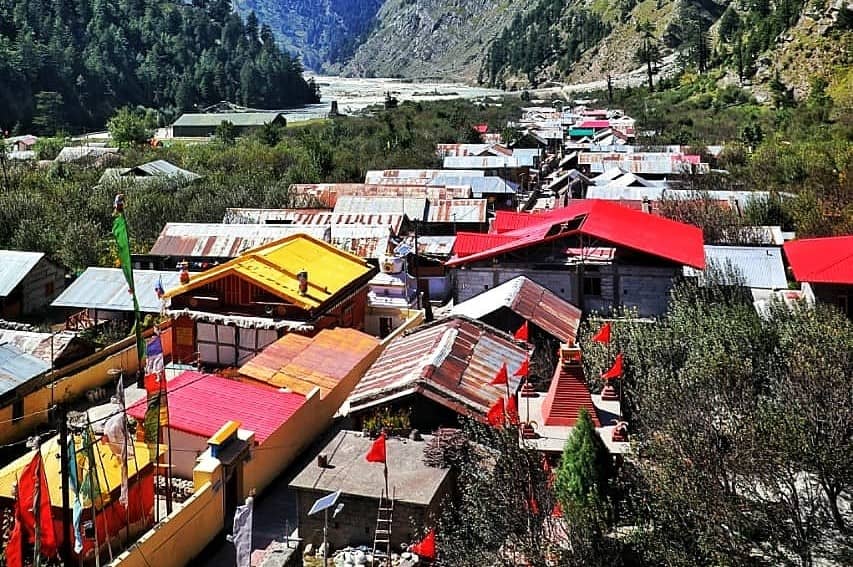
Eco Village Tourism
Harsil is famous for its natural beauty and expansive apple orchards. During the British Raj, Frederick Wilson, an Englishman, introduced apple and rajma cultivation in Harsil, earning the title “Raja of Harshil.” Today, the Harsil Apple Festival is well-known.
The government is promoting eco-tourism in Harsil and Nelang Valley by developing eight local villages. Initiatives include a leopard conservation center, homestays, star-gazing telescopes, and training locals from villages like Jhala and Jaspur to be eco-tourism guides. These guides will lead tours and treks, sharing knowledge about the region’s flora and fauna.
Accommodation:
While Harsil is a small and remote destination, it offers accommodation options like guesthouses and homestays run by welcoming locals to rustic campsites amidst verdant forests.
Harsil Uttarakhand Weather
Harsil In April:
- Harsil experiences pleasant and clear weather with temperatures ranging between 9°C and 22°C. It can be cold throughout the day, so light woolen clothes are recommended. The nights remain chilly, making warm clothing necessary. April is ideal for trekking and outdoor activities in Harsil.
Harsil In December:
- Harsil Uttarakhand in December offers enchanting snowfall blankets Harsil, bringing temperatures down to around 0 degrees Celsius at night and hovering at approximately 10 degrees Celsius during the daytime.
Harsil In Summer:
- Harsil in May, Harsil offers pleasant and healthy weather, perfect for city dwellers seeking peace of mind. Light woolens are advisable.
Harsil in September:
- The roads may face blockages due to landslides, but the lush greenery is awe-inspiring. Raincoats are essential, and trekking in winter is not recommended.
Harsil In winter:
- Harsil receives snowfall, with temperatures dropping to zero or below. Heavy woolens are necessary, and trekking becomes challenging. The best time to visit is from the last week of April to the last week of October.
Suggested Read: Bagori Village Harshil: “The Home of Ancient Traders”

Best Time to Visit Harsil
The ideal time to visit Harsil is during the summer months from April to October. The periods from April to June and September to October are particularly favorable, as July and August bring heavy rainfall, increasing the risk of landslides. Winters are very cold, and snowfall can make outdoor activities difficult and dangerous.
How to Reach Harsil
Harsil is accessible by various means:
- By Car: Driving to Harsil is convenient as it is well connected by road to nearby cities. Having your own car also makes it easier to explore the area.
- By Bus: There are buses from nearby cities to Harsil.
- By Train: The nearest railway station is in Rishikesh, about 240 km away. From there, you can hire a taxi for a 7-hour drive to Harsil In Uttarakhand.
- By Air: The closest airport is Jolly Grant Airport in Dehradun, about 245 km away. From the airport, you can hire a car to reach Harsil In Uttarakhand.
Travel Tips:
Pack Wisely: Prepare for varying weather conditions by packing layers, sturdy hiking boots, and essential gear such as sunscreen, insect repellent, and a first-aid kit.
Respect Local Customs: Embrace the local culture and traditions with respect and humility. Seek permission before photographing people or religious sites, and adhere to dress codes or etiquette guidelines.
Stay Hydrated and Mind Altitude: Harsil In Uttarakhand is located at a considerable altitude, so stay hydrated and acclimatize gradually to avoid altitude sickness. Carry sufficient water and snacks during treks.
Leave No Trace: Help preserve the pristine beauty of Harsil In Uttarakhand by practicing responsible tourism. Dispose of waste properly, avoid littering, and leave the environment as you found it for future generations to enjoy.