
Jhilmil Jheel Reserve – Uttarakhand’s Wetland Wildlife Gem
⚠️ Important clarification: Jhilmil Jheel is not a biosphere reserve. It is officially designated as a Conservation Reserve (2005) under the Wildlife Protection framework of India. Despite this common misconception, Jhilmil Jheel remains one of India’s most important wetland conservation areas, especially for endangered species.
Are you a nature lover searching for a quiet, offbeat wildlife destination near Haridwar? Jhilmil Jheel Conservation Reserve, tucked away in Uttarakhand’s Haridwar district, is a pristine wetland ecosystem known for swamp deer conservation, birdlife, and untouched marshy landscapes.
Jhilmil Jheel Conservation Reserve – Overview
Jhilmil Jheel Conservation Reserve lies close to Rajaji National Park and forms a crucial wildlife corridor in the Shivalik foothills.
-
Declared: 2005
-
Area: ~37 sq km
-
Ecosystem: Wetlands, swamps, grasslands, moist deciduous forests
-
Famous for: Endangered Swamp Deer (Barasingha)
Jhilmil Jheel – A Conservation Marvel
Jhilmil Jheel is one of the last surviving natural habitats of the swamp deer in North India. The species is listed as Vulnerable on the IUCN Red List, making this reserve ecologically priceless.
Wildlife Found Here
-
Swamp Deer (Barasingha)
-
Spotted Deer
-
Elephants
-
Leopards
-
Wild Boar
The reserve’s seasonal and perennial swamps are shaped by shifting river channels, creating a dynamic habitat mosaic of:
-
Tall & short grasslands
-
Tropical moist deciduous forest
-
Secondary scrub vegetation
This makes Jhilmil Jheel Conservation Reserve a true biodiversity hotspot.
.
Jhilmil Jheel Conservation & Eco-Tourism Vision
The Uttarakhand Forest Department is actively developing eco-tourism at Jhilmil Jheel, while keeping conservation as the top priority.
Key Developments
-
Jhilmil Jheel jungle safari (day visits) in private vehicles
-
Entry-based eco-tourism model
-
Upgradation of 35 km internal forest roads
-
Improved toilets & cafeteria facilities
These initiatives aim to:
-
Support wildlife protection
-
Generate sustainable revenue
-
Offer responsible nature tourism
Jhilmil Jheel Jungle Safari – What to Expect
The Jhilmil Jheel jungle safari is ideal for:
-
Wildlife photographers
-
Birdwatchers
-
Families seeking quiet nature experiences
Safaris allow visitors to explore wetlands and grasslands where swamp deer and birds are frequently sighted, especially during early mornings and late afternoons.
Birdwatcher’s Paradise – Jhilmil Lake & Wetlands
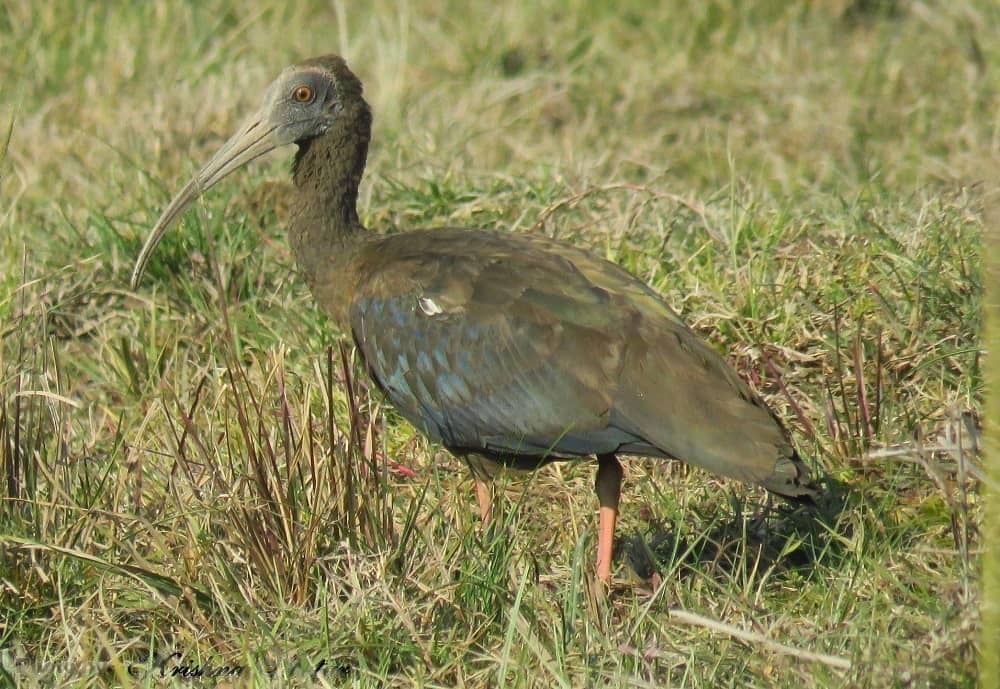
Often referred to as Jhilmil Lake, the wetland system attracts a wide variety of resident and migratory birds.
Birdlife Highlights
-
Wetland birds
-
Forest birds
-
Seasonal migratory species
If birdwatching is your passion, Jhilmil Jheel Haridwar is far less crowded than mainstream parks—making sightings more peaceful and rewarding.
Jhilmil Jheel Conservation Reserve Location
📍 Jhilmil Jheel Conservation Reserve location:
-
Haridwar Forest Division, Uttarakhand
-
Near Rajaji National Park
-
Approx. 20 km from Haridwar city
This strategic location allows travelers to combine:
-
Jhilmil Jheel
-
Rajaji National Park safari
-
Haridwar pilgrimage
Nearby Attractions
Rajaji National Park
Famous for elephants, birds, and jeep safaris—an excellent addition to your Jhilmil visit.
Haridwar
Spiritual capital of Uttarakhand, known for:
-
Har Ki Pauri
-
Ganga Aarti
-
Temples & ghats
How to Get There
-
Nearest city: Haridwar
-
Nearest railway station: Haridwar Junction
-
Nearest airport: Jolly Grant Airport, Dehradun
-
Road access available from Haridwar & Rishikesh
Why Visit Jhilmil Jheel Conservation Reserve?
-
One of India’s most important swamp deer habitats
-
Less crowded than major national parks
-
Ideal for eco-tourism & birdwatching
-
Perfect add-on to Haridwar–Rajaji itinerary
Conclusion
If you’re seeking a quiet, meaningful wildlife experience, Jhilmil Jheel Conservation Reserve is a rare find. With its wetlands, endangered species, and eco-tourism initiatives, this reserve showcases how conservation and responsible tourism can coexist beautifully.
Pack your binoculars, bring your camera, and explore one of Uttarakhand’s most underrated natural treasures—where nature still speaks in whispers, not crowds.
Jhilmil Jheel Reserve Jhilmil Jheel ReserveJhilmil Jheel ReserveJhilmil Jheel ReserveJhilmil Jheel Reserve Jhilmil Jheel ReserveJhilmil Jheel ReserveJhilmil Jheel Reserve