Vyas Valley Uttarakhand: Discover Adi Kailash from Pithoragarh
Nestled in the Pithoragarh district of Uttarakhand, Vyas Valley is a must-visit mythical site in the Himalayas and the perfect adventurous getaway from the city. This serene valley, surrounded by the majestic Himalayas, offers a unique landscape that combines the stark beauty of a stone-cold desert with the tranquil environment of a secluded wilderness.
History: Vyas Valley
Vyas Valley is not just a geographical marvel but also a spiritual and cultural haven with deep historical significance. Its breathtaking landscapes include snow-capped peaks, arid plains, sacred sites, and quaint villages, making it a paradise for adventurers, pilgrims, and nature lovers.
Vyas Valley lies in the Pithoragarh district of Uttarakhand, near the Indo-Tibetan border, and captivates visitors with its Himalayan beauty, spiritual significance, and proximity to Adi Kailash and Om Parvat.
This cold desert valley draws its name from Sage Vyasa, who, according to belief, meditated here while composing the Mahabharata. Pilgrims and trekkers explore this area to experience both adventure and devotion.
Travelers trek from Dharchula through riverside trails and rugged terrains to reach Kalapani, the heart of the valley. They witness snow‑capped mountains, arid landscapes, and serene Bhotia and Kumaoni villages like Gunji and Kuti.
Pilgrims visit Vyasa Cave (Vyas Gufa) to honor the sage, offer prayers at the Kali Mandir, and follow routes leading to Adi Kailash (Chota Kailash), revered as a sacred mirror of Mount Kailash, and Om Parvat, where snow naturally forms the Om symbol.
Nature lovers admire pine, juniper, and Bhojpatra trees, while bird enthusiasts spot rare Himalayan species. The valley also preserves its legacy as part of an ancient Indo-Tibetan trade route.
Authorities mandate inner line permits for all visitors due to the border location. Trekkers secure these permits from the District Magistrate’s office in Pithoragarh or Dharchula before starting the journey.
Vyas Valley offers an unmatched blend of mythology, remote landscapes, and spiritual depth, attracting those who seek both adventure and divine connection in the high Himalayas.
Kalapani in Dharchula
Kalapani, also known as Vyas Valley, is a beautiful and peaceful place in Dharchula, Uttarakhand. It is believed that the great sage Ved Vyasa meditated here, and the famous Vyasa Cave is a top attraction where he is said to have stayed for some time.
Why Visit Kalapani – Nature, Spirituality, and History
Kalapani is surrounded by majestic Himalayan landscapes and offers a serene atmosphere. The region is rich in flora and fauna, making it a perfect place for nature lovers, pilgrims, and trekkers. Popular attractions in Kalapani include:
Vyasa Cave
Kali Temple
Kalapani Spring
Nearby traditional villages like Gunji and Budhi
These places offer a mix of natural beauty, spiritual significance, and local culture.
Kalapani – The Sacred Source of the Kali River
Kalapani is the origin of the Kali River, also known as the Sharda River in India. This river is considered sacred in Hinduism. A Kali temple stands near the source, attracting pilgrims on their way to Kailash Mansarovar Yatra and Adi Kailash Yatra. Trekkers often include Kalapani in their journey because of its spiritual importance and stunning location.
India-Nepal Dispute Over Kalapani
The Kalapani region is currently under India’s control, but Nepal also claims it based on historical records and old maps. This area is the largest land dispute between India and Nepal, involving around 37,000 hectares in the High Himalayas.
Nepal has released an updated official map, claiming the land from Limpiyadhura to Kalapani and Lipulekh Pass as part of its territory. On May 22, Nepal’s government under Prime Minister K.P. Sharma Oli introduced a constitutional amendment to officially include the region in its national map.
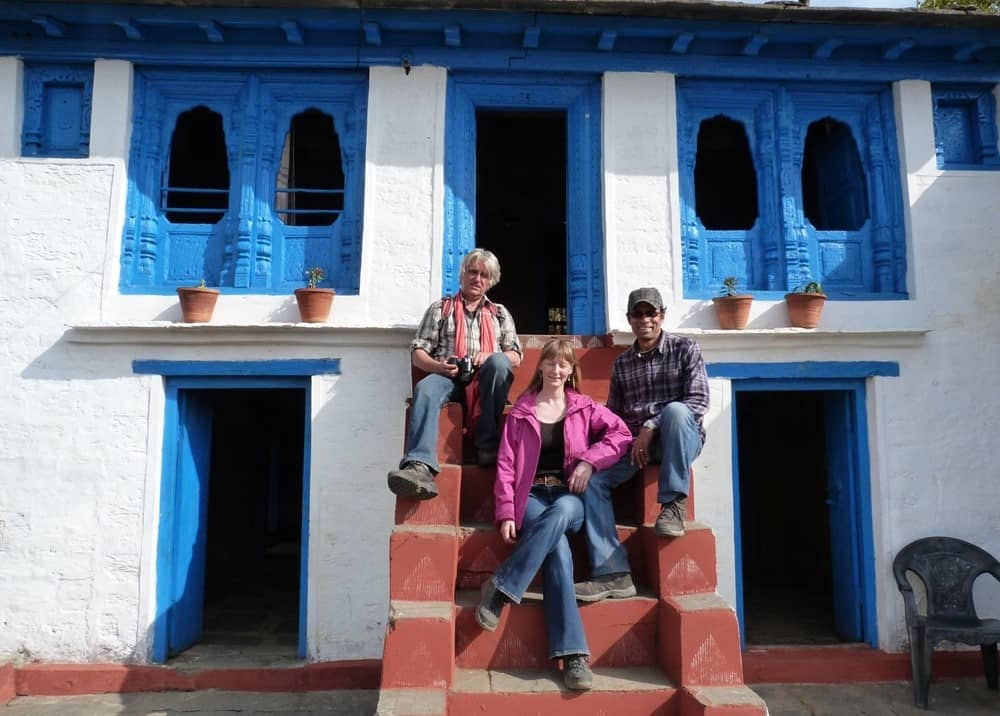
Architecture of Houses in Vyas Valley
Where Is Vyas Valley Located?
Vyas Valley lies in the Pithoragarh district of Uttarakhand, close to the international border with Tibet (China). The valley stretches beyond Dharchula, following the course of the Kali River, and includes sacred sites such as Kalapani, Gunji, Kuti, and Nabi villages.
This region forms an important part of the Adi Kailash and Om Parvat pilgrimage circuit.
History & Mythology of Vyas Valley
The spiritual importance of Vyas Valley dates back thousands of years. According to Hindu belief, the valley is named after Sage Ved Vyasa, the legendary author of the Mahabharata.
Why Is Vyas Valley Sacred?
It is believed that Sage Vyasa meditated here
The epic Mahabharata was composed during his time in this region
Vyasa Cave (Vyas Gufa) is revered as his meditation site
Because of this deep connection, Vyas Valley is considered one of the most spiritually charged places in the Himalayas.
Kalapani – The Heart of Vyas Valley
Kalapani, often used interchangeably with Vyas Valley, is the spiritual and geographical center of the region.
Why Visit Kalapani?
Kalapani offers a rare combination of:
Untouched Himalayan nature
Sacred pilgrimage sites
Strategic historical importance
Surrounded by barren mountains, alpine meadows, and icy streams, Kalapani feels timeless and deeply meditative.
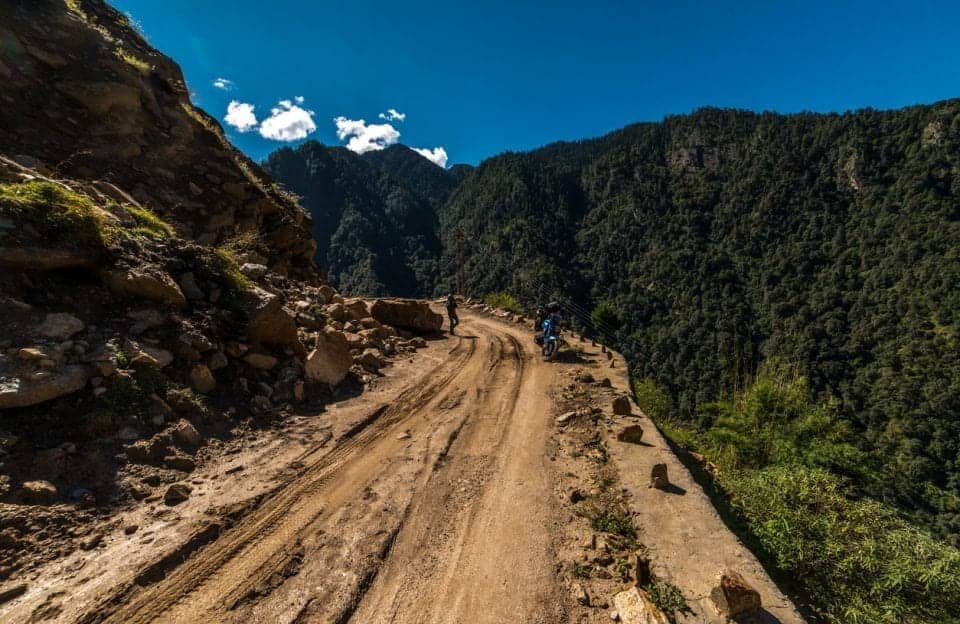
Off-Road to Vyas Valley
Places to See in Vyas Valley
Adi Kailash (Chota Kailash)
Adi Kailash is often called the replica of Mount Kailash. It’s a major pilgrimage site with a tranquil lake and stunning views. Located in a remote area, the trek to Adi Kailash involves a 14-kilometer walk through the Kuti Valley & village to reach Jollingkong at 4,572 meters. Be aware that the Kuti River and its bridge might be covered in snow.
Om Parvat
Om Parvat is famous for its natural snow formation that resembles the “Om” symbol. Standing at 5,570 meters, it draws pilgrims and trekkers. Chanting “Om Parvati Pataye Har Har Mahadeva” here is believed to rejuvenate and purify the soul.
Narayan Ashram
Founded in 1936 by Narayan Swami, Narayan Ashram is about 136 kilometers north of Pithoragarh and 14 kilometers from Tawaghat. Situated at 2,734 meters, it includes a school, library, meditation room, and samadhi sthal, surrounded by beautiful landscapes.
Gunji Village
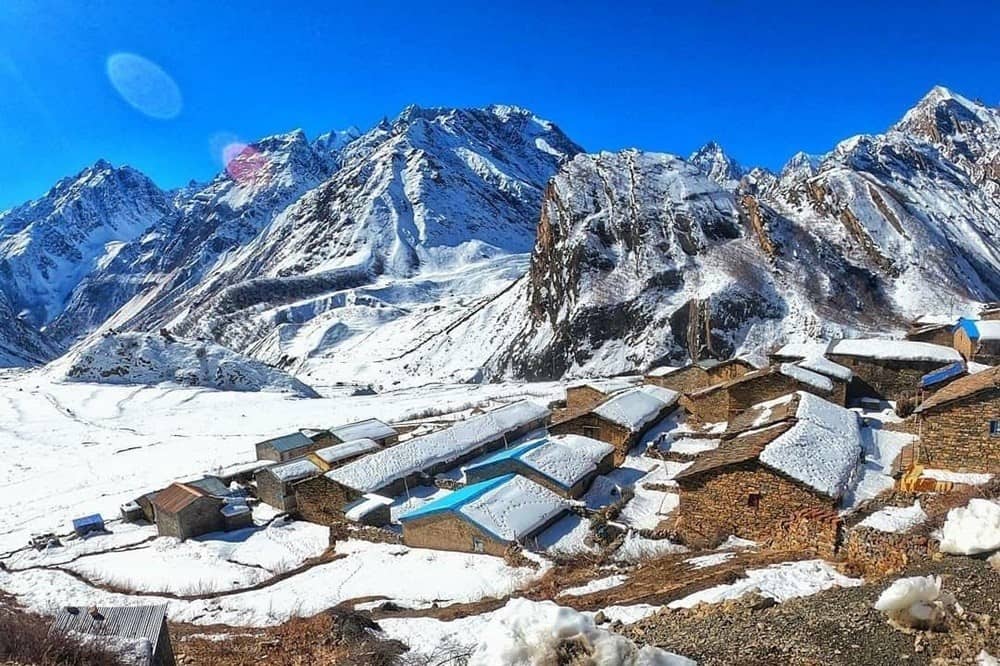
Gunji is a seasonal villageat 3,500 meters in the Pithoragarh district, 65 kilometers from Dharchula. It’s a popular base for trekking and mountaineering.
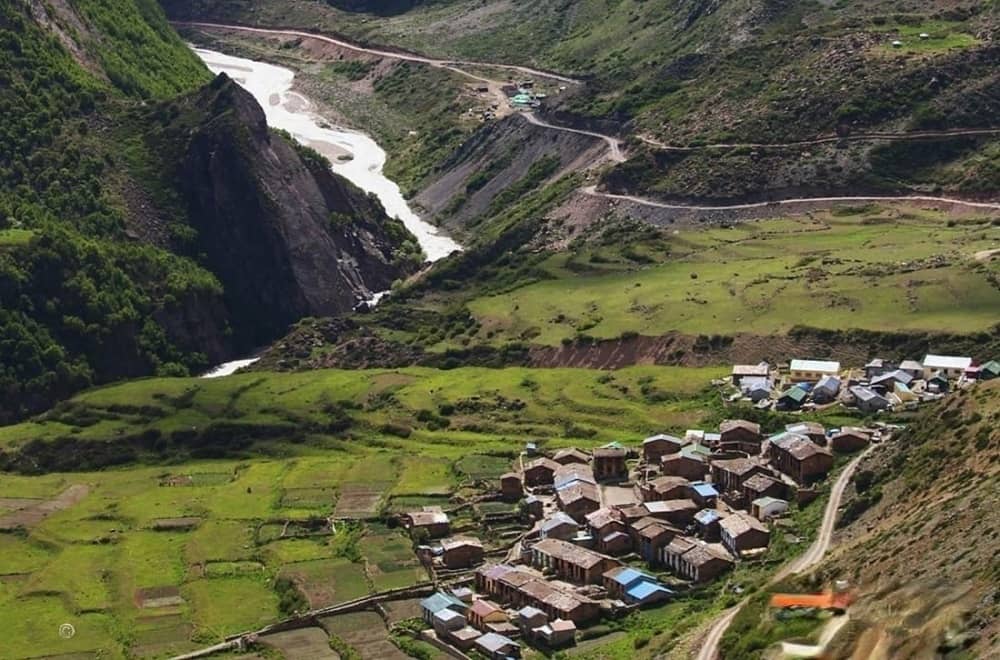
Kuti village, Vyas valley, Uttarakhand
Top Places to Visit in Vyas Valley & Kalapani
1. Vyasa Cave (Vyas Gufa)
The most sacred site in the valley, Vyasa Cave, is where Sage Vyasa is believed to have meditated. Pilgrims offer prayers and spend time in silence, honoring the ancient rishi.
2. Kali Temple
Located near the origin of the Kali River, this temple is dedicated to Goddess Kali. It is an important stop for pilgrims traveling to:
Adi Kailash
Om Parvat
Kailash Mansarovar route
3. Kalapani Spring – Origin of the Kali River
Kalapani is believed to be the source of the Kali (Sharda) River, which holds immense religious importance in Hinduism. The river later forms part of the India–Nepal border.
4. Gunji, Kuti & Nabi Villages
These remote Bhotia and Kumaoni villages reflect a unique Himalayan culture shaped by centuries of trade with Tibet.
Traditional stone houses
Warm hospitality
Ancient customs and rituals
These villages were once part of the Indo-Tibetan trade route.
Vyas Valley & Adi Kailash – The Sacred Connection
One of the biggest reasons travelers visit Vyas Valley is its proximity to Adi Kailash (Chota Kailash).
Adi Kailash is revered as a terrestrial reflection of Mount Kailash
Pilgrims believe visiting Adi Kailash gives spiritual merit similar to Kailash Mansarovar
The route passes through Gunji and Kalapani
Om Parvat – A Divine Natural Wonder
Another major attraction near Vyas Valley is Om Parvat, where snow naturally forms the sacred ॐ (Om) symbol on the mountain face.
This rare phenomenon has made Om Parvat one of the most spiritually significant mountains in India.
Nature & Wildlife in Vyas Valley
Despite its arid appearance, Vyas Valley Uttarakhand supports diverse Himalayan flora and fauna.
Flora
Juniper
Pine
Bhojpatra (Birch trees)
Fauna & Birds
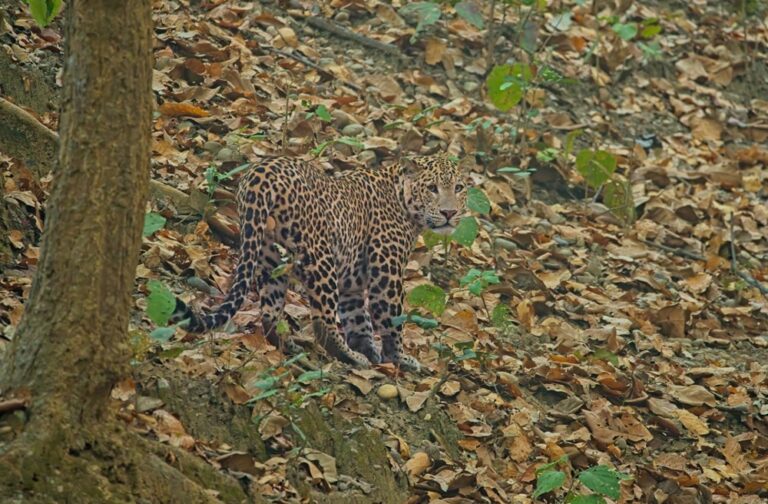
Himalayan Monal
Griffon vultures
Snow pigeons
Rare high-altitude bird species
Nature lovers and photographers find the valley breathtaking, especially during early mornings and sunsets.
Trekking to Vyas Valley – The Route
Most travelers begin their journey from Dharchula.
Typical Trek Route
Dharchula → Gunji → Kalapani → Adi Kailash / Om Parvat
The trek includes:
Riverside trails
Rocky mountain paths
High-altitude cold desert terrain
The journey is physically demanding but deeply rewarding.
Inner Line Permit for Vyas Valley
Because Vyas Valley lies near the Indo-Tibetan border, an Inner Line Permit (ILP) is mandatory for all visitors.
Where to Get the Permit
District Magistrate Office – Pithoragarh
SDM Office – Dharchula
Documents usually required:
Government photo ID
Passport-size photographs
Foreign nationals may require additional clearance.
Kalapani Dispute – India & Nepal
The Kalapani region is also geopolitically significant.
India–Nepal Border Dispute
Nepal claims the region based on old maps
India administers Kalapani as part of Uttarakhand
The disputed area covers approx. 37,000 hectares
In May 2020, Nepal officially released a revised national map including:
Limpiyadhura
Kalapani
Lipulekh Pass
Despite the dispute, the region remains peaceful for travelers under Indian administration.
Best Time to Visit Vyas Valley
May to June: Clear weather, ideal for trekking
September to October: Post-monsoon clarity, fewer landslides
July–August: Avoid due to monsoon
Winter: Inaccessible due to heavy snowfall
Why Visit Vyas Valley, Uttarakhand?
✔ Deep spiritual significance ✔ Mythology linked to Sage Vyasa ✔ Gateway to Adi Kailash & Om Parvat ✔ Raw Himalayan landscapes ✔ Offbeat, crowd-free destination
Conclusion
Vyas Valley Uttarakhand is not just a travel destination—it is a sacred Himalayan realm where mythology, spirituality, history, and adventure converge. From the silent depths of Vyasa Cave to the stark beauty of Kalapani, and from the sacred peaks of Adi Kailash to the divine symbol of Om Parvat, the valley offers a profound journey for both body and soul.
For those seeking remote adventure, divine connection, and timeless Himalayan beauty, Vyas Valley stands unmatched.
Getting There
The closest airport is in Pantnagar, and the nearest railway station is in Kathgodam. From there, hire a taxi or take a bus to Dharchula, the gateway to the Vyas valley Uttarakhand. Travel with local guides and ensure you have the necessary permits.
Kalapani is located in the easternmost part of Pithoragarh district, in Uttarakhand, India. It shares its borders with Tibet (China) to the north and Nepal to the east and south. The region lies between Limpiyadhura, Lipulekh, and Kalapani, forming a triangular area resembling a slice of cake.
Tawaghat to Narayan Ashram – 35 km by road
Narayan Ashram to Sirkha – 6 km trek
Sirkha to Gala – 14 km trek
Gala to Malpa – 12 km trek
Malpa to Budhi – 8 km trek
Budhi to Chiyalekh to Garbayang – 3 + 5 km trek
Garbayang to Gunji – 9 km trek
Gunji to Kalapani – 9 km trek
This trek takes you through remote Himalayan villages, lush forests, and spiritual landmarks, making it a must-do for adventure seekers and pilgrims alike.
Vyas Valley Uttarakhand Vyas Valley Uttarakhand Vyas Valley Uttarakhand Vyas Valley Uttarakhand Vyas Valley Uttarakhand Vyas Valley Uttarakhand Vyas Valley Uttarakhand Vyas Valley Uttarakhand Vyas Valley Uttarakhand Vyas Valley Uttarakhand Vyas Valley Uttarakhand Vyas Valley Uttarakhand Vyas Valley Uttarakhand Vyas Valley Uttarakhand
I am Om. I am a Travel Consultant and a licensed Tourist Guide ( Approved by the Ministry of Tourism, Government of India), I am living in Rishikesh. I set up this blog to share my tips and experiences for traveling to inspire and help you to travel Himalayas & Spiritual Places in India.