
The Valley of Flowers Trek & Best Time to Visit (Complete Guide)
Welcome to the ultimate guide to the Valley of Flowers Trek, one of the most breathtaking Himalayan treks in India. Tucked away in the high altitudes of Uttarakhand, this UNESCO World Heritage Site feels like nature’s own masterpiece—where every step reveals alpine meadows, snow-fed streams, and thousands of vibrant flowers in bloom.
Whether you are a seasoned trekker or a first-time adventurer, the Valley of Flowers India trek offers a perfect blend of natural beauty, moderate adventure, and spiritual calm.
Valley of Flowers Trek – An Overview
The Valley of Flowers National Park lies in the Chamoli district of Uttarakhand, at an altitude of around 3,658 meters. The trek is classified as moderate, requiring decent fitness, especially if you plan to combine it with the Hemkund Sahib trek.
Recent road development up to Pulna village has made the trek more accessible and flexible, reducing walking distance and travel fatigue.
Valley of Flowers Trek Distance (Updated Route Details)
-
Govindghat to Pulna: Motorable road (approx. 4 km)
-
Pulna to Ghangaria: 9 km trek
-
Ghangaria to Valley of Flowers: 3.7 km (one way)
-
Inside Valley exploration: 6–7 km (varies by preference)
Thanks to the new road:
-
Ponies & porters are available from Pulna
-
Helicopter services (Govindghat–Ghangaria) may operate seasonally
-
You can stay in Joshimath or Auli before or after the trek
-
Badrinath visit can be easily added to the itinerary
Rishikesh to Valley of Flowers Trek Route
Most treks begin from Rishikesh, the spiritual gateway to the Garhwal Himalayas.
Route overview:
Rishikesh → Joshimath → Govindghat → Pulna → Ghangaria → Valley of Flowers
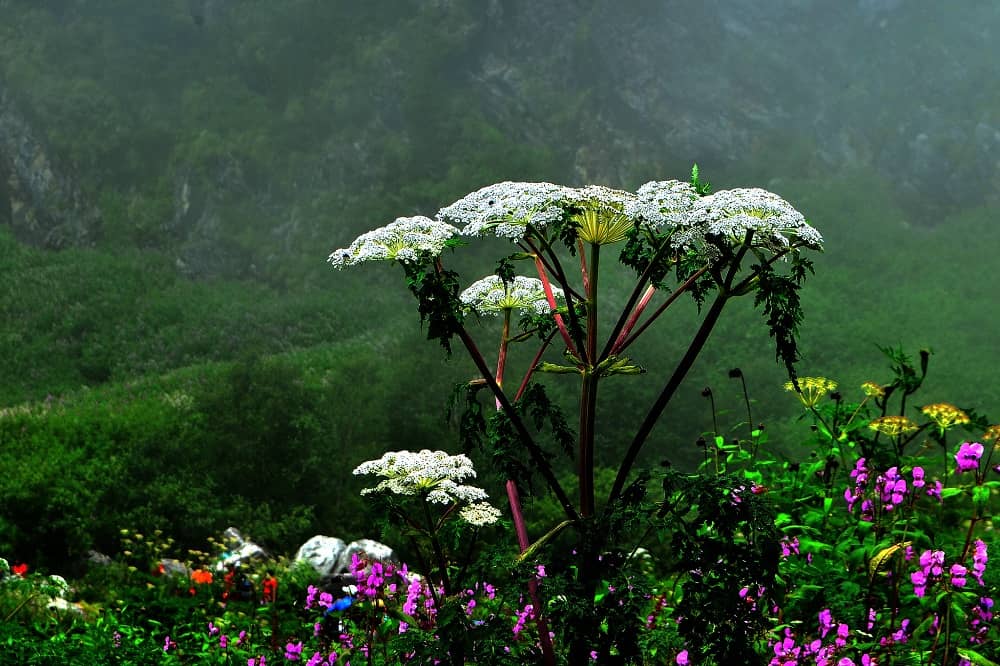
Valley of Flowers Trek – Month-by-Month Experience
🌸 Valley of Flowers in June
June marks the opening of the valley after months of snow cover.
-
Snow starts melting
-
Early-bloom alpine flowers appear
-
Lush greenery begins to emerge
-
Ideal for those who prefer fewer crowds
⚠ Some patches of snow may still be present on trails.
🌼 Valley of Flowers in July
July is when the valley begins to truly come alive.
-
Meadows burst into vibrant colors
-
Waterfalls flow at full strength
-
Best time for glacier views
-
Early July (before 15th) is ideal to balance flowers & weather
🌧 Light monsoon showers enhance the beauty but require rain gear.
🌺 Valley of Flowers in August
August is considered the peak bloom season.
-
Maximum variety of flowers
-
Entire valley turns into a floral carpet
-
Ideal for photography and nature lovers
This is often regarded as the best time to visit Valley of Flowers India.
🌸 Valley of Flowers in September
September offers a calmer, more serene experience.
-
Fewer crowds
-
Rare flowers like Blue Poppy, Geranium, Potentilla
-
Clear skies after monsoon
-
Cooler weather
Perfect for trekkers who enjoy peaceful exploration.
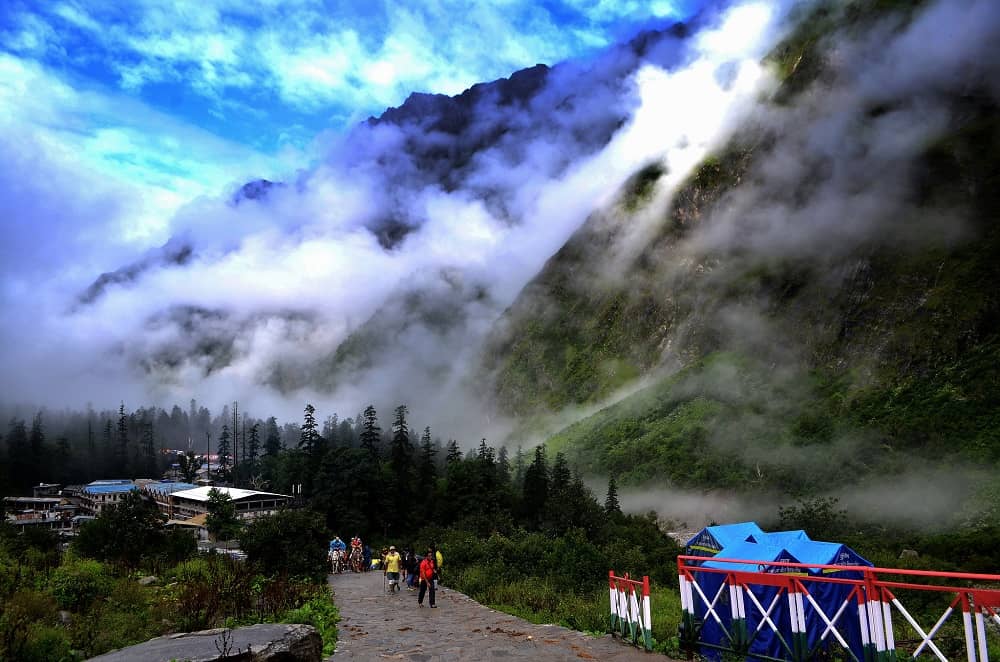
Best Time to Visit Valley of Flowers India (In Detail)
✅ Valley of Flowers India Best Time to Visit
-
July to September – Prime season
-
August – Peak flowering & best visuals
🚫 Closed Season
-
October to May – Valley remains snowbound and inaccessible
📌 Best Time Summary
| Month | Experience |
|---|---|
| June | Snow melt, early blooms |
| July | Lush greenery & waterfalls |
| August | Peak flowers (best month) |
| September | Rare flowers, fewer crowds |
👉 If your goal is maximum flowers, plan between mid-July and mid-August.
Valley of Flowers Trek Itinerary (6 Days from Rishikesh)
Day 1: Rishikesh → Govindghat
-
Distance: 255 km
-
Duration: ~11 hours
-
Pick-up: 5:00 AM
Day 2: Govindghat → Pulna → Ghangaria
-
Drive: 38 km
-
Trek: 9 km (5–6 hours)
-
Altitude: 7,785 ft → 10,520 ft
Day 3: Ghangaria → Valley of Flowers → Ghangaria
-
Trek: 3.7 km each way
-
Duration: ~6 hours
-
Altitude: 11,550 ft
A mesmerizing walk through flower-filled meadows.
Day 4: Ghangaria → Hemkund Sahib → Ghangaria
-
Trek: 6 km each way
-
Duration: 8–9 hours
-
Altitude: 14,107 ft
Visit the sacred Hemkund Sahib, set beside a glacial lake.
Day 5: Ghangaria → Pulna → Govindghat
-
Trek: 9 km downhill
-
Drive: 35 km
Day 6: Govindghat → Rishikesh
-
Distance: 252 km
-
Drop-off: ~6:00 PM
Ghangaria Village – A Key Stopover
Ghangaria is the base village for:
-
Valley of Flowers Trek
-
Hemkund Sahib Trek
It offers basic hotels, guesthouses, and eateries—making it an essential and pleasant halt.

What to Pack for Valley of Flowers Trek
✔ Trekking shoes with good grip
✔ Rain jacket & poncho
✔ Warm layers & gloves
✔ Sunscreen & sunglasses
✔ First-aid kit
✔ Energy bars & dry fruits
✔ Camera / smartphone
How to Reach Govindghat
-
By Air: Jolly Grant Airport
-
By Train: Rishikesh / Haridwar
-
By Road: Regular buses & taxis from Rishikesh, Haridwar, Delhi
Conclusion
The Valley of Flowers Trek is a once-in-a-lifetime Himalayan experience where nature displays its finest artistry. Choosing the best time to visit Valley of Flowers India—especially between July and August—ensures you witness this paradise at its vibrant peak.
With improved access, flexible itineraries, and breathtaking scenery, this trek is now more rewarding than ever.