
Panch Prayag of Ganga: Name of 5 Prayag of Uttarakhand
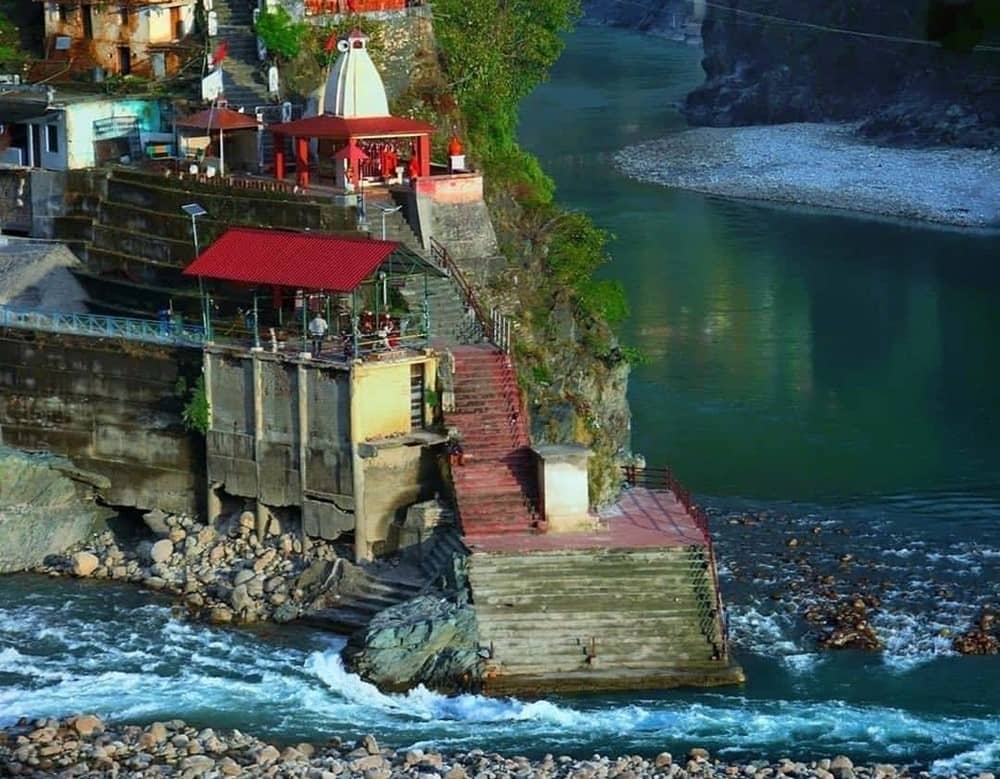
Panch Prayag refers to five sacred confluences (Sangams) in Uttarakhand where Himalayan rivers merge to ultimately form the holy River Ganga. Deeply rooted in Hindu beliefs, these confluences are considered powerful spiritual centers where devotees come to bathe, pray, and seek moksha (liberation).
In Hinduism, the Ganga is revered as a living goddess, and the places where her tributaries unite are believed to cleanse sins and elevate the soul. The five Prayags, in the order of river confluence, are Vishnuprayag, Nandaprayag, Karnaprayag, Rudraprayag, and Devprayag.
Panch Prayag Sangam: A Quick Overview
(Uttarakhand Panch Prayag)
-
Vishnuprayag – Confluence of Dhauliganga and Alaknanda (Vishnu Ganga)
-
Nandaprayag – Confluence of Nandakini and Alaknanda
-
Karnaprayag – Confluence of Pindar and Alaknanda
-
Rudraprayag – Confluence of Mandakini and Alaknanda
-
Devprayag – Confluence of Bhagirathi and Alaknanda (birthplace of the Ganga)
Panch Prayag in Uttarakhand: River Significance
The five major rivers—Bhagirathi, Dhauliganga, Nandakini, Pindar, and Mandakini—gradually merge into the Alaknanda River, which finally meets the Bhagirathi at Devprayag to become the River Ganga.
The word “Prayag” means confluence, and in Hindi it is also called Sangam. Bathing at these Prayags is believed to wash away sins accumulated over lifetimes.
Spiritual Significance of Prayag (Sangam)
In Hindu tradition, Prayag Sthals are among the holiest places of pilgrimage. Devotees believe that:
-
A dip at a Prayag purifies karma
-
Rituals like Pind Daan bring peace to ancestors
-
Meditation at these Sangams accelerates spiritual growth
1. Vishnu Prayag – The First Prayag
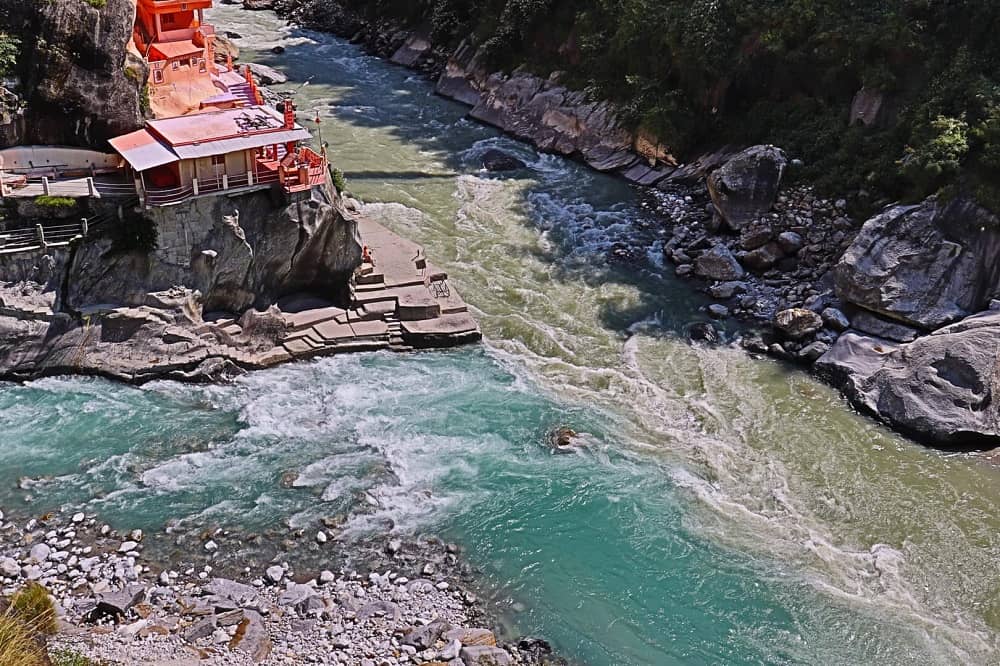
Vishnuprayag marks the confluence of the Alaknanda River and the Dhauliganga River. It is named after Lord Vishnu, who is believed to have appeared here in his Matsya (fish) incarnation.
Mythology
According to legend, Narad Muni performed deep penance here. Pleased by his devotion, Lord Vishnu manifested at this sacred spot, giving the place its name.
Highlights
-
Ancient Vishnu Temple
-
Gateway to trekking routes and Joshimath
-
Powerful turquoise river views

2. Nand Prayag – Land of Lord Krishna’s Foster Father
Nandaprayag is the meeting point of the Alaknanda and Nandakini Rivers. It is named after King Nanda, the foster father of Lord Krishna.
History & Belief
-
Earlier known as Kandasu
-
Located at an altitude of 1358 meters
-
King Nanda performed penance here and was blessed with Krishna as his son
Key Attraction
-
Gopal Ji Temple, dedicated to Lord Krishna
-
Entry point toward Badrikshetra (Badrinath)
Suggested Read – Koteshwar Mahadev Temple Rudraprayag

3. Karn Prayag – The Land of Karna
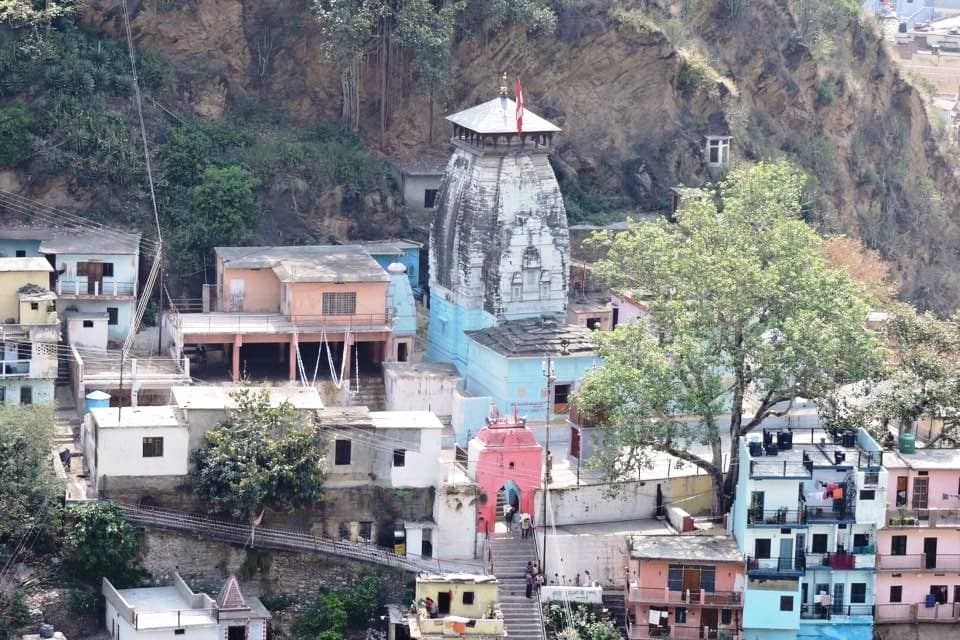
Karnaprayag is where the Alaknanda River meets the Pindar River. The town is named after Karna, the great warrior from the Mahabharata.
Mythology
Karna is believed to have worshipped Suryadev (Sun God) here. He was the son of Kunti and Suryadev, and his devotion is remembered through the Karna Temple.
Highlights
-
Altitude: 1451 meters
-
Famous Uma Devi Temple
-
Key route to Almora, Nainital, and Jim Corbett National Park

4. Rudra Prayag – Abode of Lord Shiva
Rudraprayag lies at the confluence of the Mandakini and Alaknanda Rivers and is named after Rudra, the fierce form of Lord Shiva.
Spiritual Importance
It is believed that Lord Shiva performed his Tandava (cosmic dance) here. The region is rich in Shaivite temples and spiritual sites.
Importance for Pilgrims
-
Key stop on the Kedarnath–Badrinath Yatra
-
Home to several ancient Shiva temples

5. Dev Prayag – Birthplace of the Ganga
Devprayag is the most significant of all Prayags, where the Alaknanda and Bhagirathi Rivers merge, officially forming the River Ganga.
Mythology
Devprayag is named after Sage Dev Sharma, who meditated here for years. It is also believed that Lord Rama and Lakshman performed penance here to absolve sins after the battle of Lanka.
Raghunath Temple
-
Dedicated to Lord Rama
-
Features a 15-foot black granite idol
-
Surrounded by temples of Hanuman, Annapurna, Garud, and Adi Shankaracharya
Devprayag was rebuilt after the devastating earthquake of 1803 and remains a major pilgrimage destination today.
Why Visit Panch Prayag?
-
Experience the spiritual origin of the Ganga
-
Witness breathtaking Himalayan river confluences
-
Explore ancient temples, legends, and rituals
-
Ideal for pilgrimage, meditation, and slow travel
Frequently Asked Questions (FAQ)
Q. Panch Prayag kaun kaun se hain?
A. Vishnuprayag, Nandaprayag, Karnaprayag, Rudraprayag, and Devprayag.
Final Thoughts
Panch Prayag is not just a journey through Uttarakhand—it is a journey through faith, mythology, and the soul of the Himalayas. Each Prayag tells a unique story where rivers, gods, and human devotion meet. Whether you are a pilgrim, spiritual seeker, or curious traveler, visiting Panch Prayag offers an experience that is both transformative and timeless.