
Corbett National Park Ramnagar (Ultimate 2026 Travel Guide)
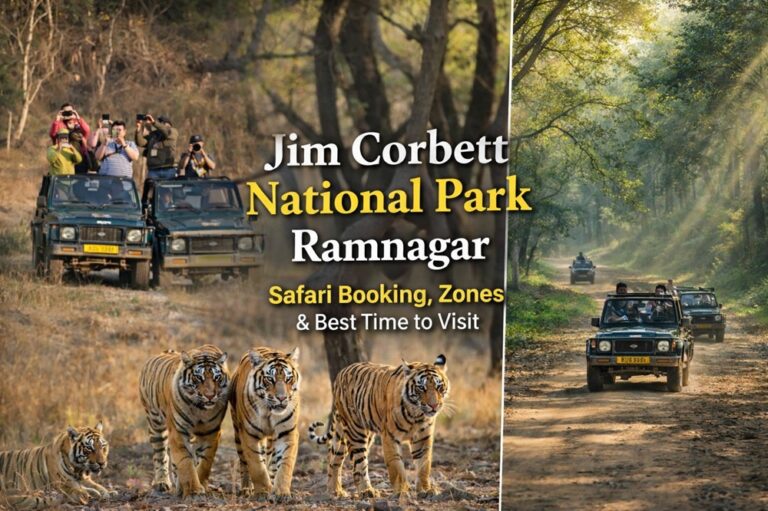
Located near the small yet vibrant town of Ramnagar, this iconic park attracts wildlife photographers, nature enthusiasts, vloggers, and adventure seekers throughout the year.
In this super-detailed, freshly written guide, you’ll discover everything — from safari zones to river systems, distances, forest rest houses, and comparisons with Rajaji.
Where is Corbett National Park Situated?
Jim Corbett National Park is situated in the Nainital district of Uttarakhand, at the foothills of the Himalayas in northern India.
It lies:
-
Around 260 km from Delhi
-
About 65 km from Nainital
-
Just 15 km from Ramnagar town
The park spreads across over 520 sq km, with a mix of grasslands, river belts, marshy depressions, and dense Sal forests. Its location at the Himalayan foothills creates a unique biodiversity zone, making it one of the richest wildlife habitats in India.
Corbett National Park on Which River?
One of the most important ecological features of Corbett is the Ramganga River.
Ramganga River flows through the heart of the park, especially visible in the famous Dhikala zone. The river:
-
Supports aquatic wildlife
-
Attracts elephants and deer herds
-
Creates stunning sunrise & sunset landscapes
-
Plays a crucial role in tiger territory formation
The Ramganga reservoir inside the park is also a birdwatcher’s paradise, especially during winter migration season.
Corbett National Park Zones – Complete Breakdown
Core Zones (Most Popular for Tiger Sightings)
-
Dhikala Zone – Largest and most scenic, famous for grasslands and Ramganga views.
-
Bijrani Zone – Dense forest and high tiger activity.
-
Jhirna Zone – Open year-round, good for sloth bear sightings.
-
Durga Devi Zone – Hilly terrain, ideal for birdwatching.
Buffer Zones
-
Dhela Zone
-
Garjiya Zone
-
Sitabani Zone (technically outside core tiger reserve area)
Each zone offers a different ecosystem experience. Dhikala requires advance booking due to high demand.
Ramnagar to Jim Corbett National Park Distance
The distance from Ramnagar to the main safari gates of Corbett varies by zone:
-
Bijrani Gate – Approx. 8 km
-
Jhirna Gate – Approx. 16 km
-
Dhela Gate – Approx. 13 km
-
Dhikala Gate (Dhangarhi Gate) – Approx. 18 km
Travel time ranges between 20–45 minutes, depending on the gate.
Ramnagar serves as the primary entry hub for safaris, hotels, and forest permit offices.
Jim Corbett National Park Forest Rest House
The Jim Corbett National Park Forest Rest House (FRH) options include:
-
Dhikala Forest Lodge
-
Bijrani FRH
-
Gairal FRH
-
Sultan FRH
-
Jhirna FRH
These accommodations are managed by the forest department. Rooms are basic but offer:
-
Early morning wildlife access
-
No city noise
-
Stunning river or grassland views
-
Higher chances of elephant & deer sightings nearby
Advance booking is mandatory, especially in peak season (November–June).
Where is Rajaji National Park?
Rajaji National Park is located in Uttarakhand as well, but near:
-
Haridwar
-
Rishikesh
-
Dehradun
It spreads across three districts and forms part of the Shivalik range ecosystem.
Unlike Corbett’s dense Sal forest and grassland ecosystem, Rajaji is known more for:
-
Elephant corridors
-
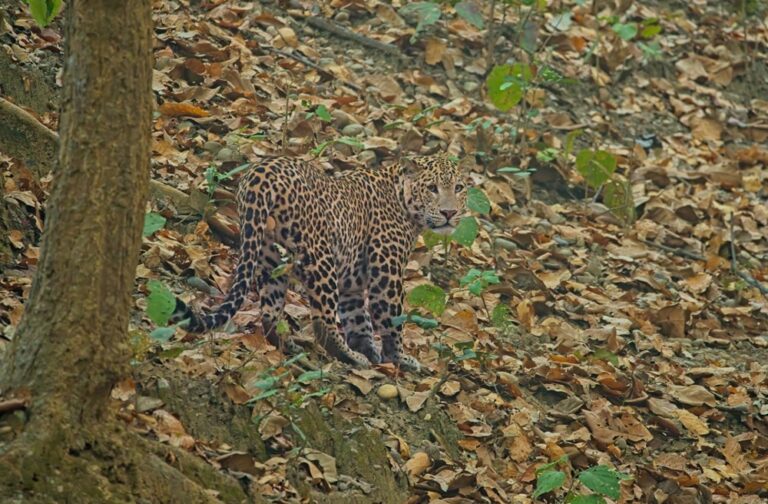
Leopard sightings
-
Bird diversity
-
Proximity to Ganga river belt
Is Rajaji National Park and Jim Corbett Same?
No, they are completely different parks.
Although both are in Uttarakhand and part of tiger conservation landscapes, they differ in:
| Feature | Corbett | Rajaji |
|---|---|---|
| Established | 1936 (India’s first national park) | 1983 |
| Famous For | Tigers & Ramganga grasslands | Elephants & Shivalik hills |
| Safari Popularity | Very High | Moderate |
| Forest Type | Dense Sal + Riverine | Dry deciduous + mixed forest |
Corbett is more commercial and structured for tourism. Rajaji feels wilder and less crowded.
Wildlife You Can Expect in Corbett
-
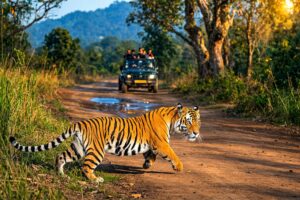
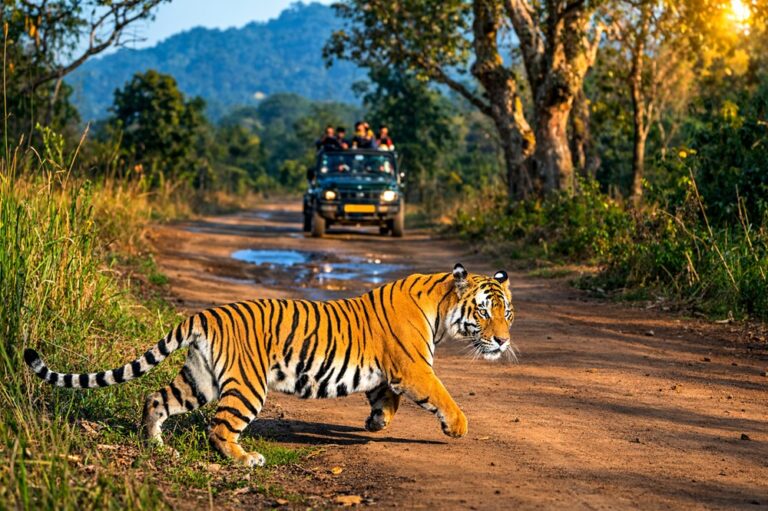
Royal Bengal Tiger
-
Asian Elephant
-
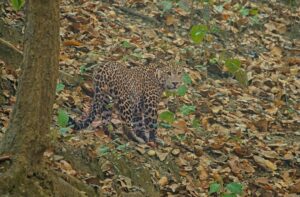
Leopard
-
Sloth Bear
-
Gharial (in Ramganga)
-
600+ bird species
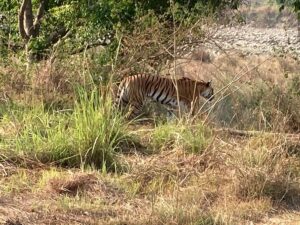
Winter is ideal for birding, while summer (April–June) increases tiger sighting probability due to water scarcity.
Best Time to Visit Corbett National Park Ramnagar
-
November to February – Pleasant weather, great for birding.
-
March to June – Best for tiger sightings.
-
July to September – Core zones closed due to monsoon.
For content creators and vloggers like you, early morning safaris in Dhikala during golden light are unbeatable.
Why Corbett National Park Ramnagar Is Special
-
India’s first national park
-
Birthplace of Project Tiger
-
River-based jungle ecosystem
-
Accessible from Delhi weekend route
-
Option to stay inside forest
It is not just a safari — it’s a landscape where river, grassland, forest, and wildlife coexist in a dramatic Himalayan setting.
Corbett National Park Ramnagar Corbett National Park Ramnagar Corbett National Park Ramnagar Corbett National Park Ramnagar Corbett National Park Ramnagar Corbett National Park Ramnagar Corbett National Park Ramnagar