
🕉️ Bhavishya Badri Temple: The Future Abode of Lord Badrinarayan
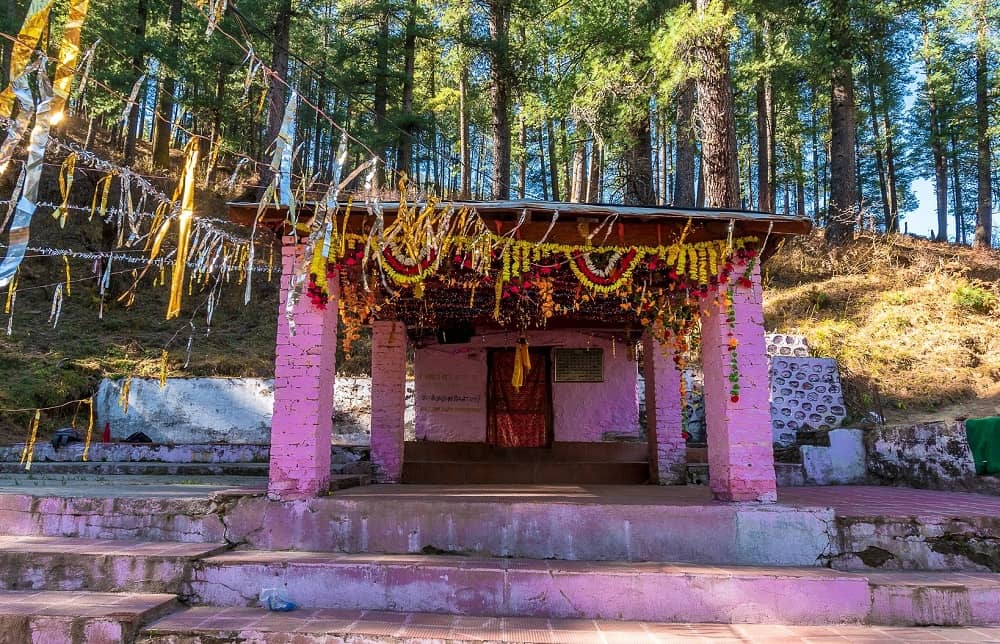
Bhavishya Badri Temple is one of the most mysterious and spiritually significant Vishnu temples in the Himalayas. Located at a higher altitude than the present Badrinath Temple, this temple is believed—according to ancient Hindu prophecy—to become the future seat of Lord Badrinarayan.
Deeply rooted in scripture, mythology, and local belief, Bhavishya Badri is part of the sacred Sapta Badri circuit and holds immense importance for pilgrims seeking to understand the future of Badrinath Dham.
📍 Bhavishya Badri Temple Subhai Uttarakhand
Bhavishya Badri Temple is located near Subhai Village, around 22 km from Joshimath, at an altitude of approximately 8,530 feet (2,600 meters) above sea level.
The temple lies on a forested ridge beyond Tapovan, surrounded by pristine Himalayan landscapes, making the journey both spiritual and scenic.
🔮 Bhavishya Meaning & Spiritual Context
The word Bhavishya means “future” in Sanskrit.
Thus, Bhavishya Badri literally translates to “The Badri of the Future.”
According to Hindu belief, Lord Vishnu will shift his divine presence from present-day Badrinath to Bhavishya Badri when certain cosmic signs appear.
🕉️ Bhavishya Badrinath – The Ancient Prophecy
The prophecy of Bhavishya Badrinath is mentioned in the ancient text Sanath Samhita, which states:
-
The left arm of Lord Narasingha’s idol in Joshimath will gradually thin and eventually fall
-
The mountains Jay and Vijay near Vishnuprayag will collapse
-
The route to present-day Badrinath will become inaccessible
-
Worship of Lord Badrinarayan will then begin at Bhavishya Badri Temple
At Bhavishya Badri, a self-manifested idol of Lord Vishnu is believed to be growing in size daily, awaiting the time when it will receive full worship.
🛕 Narsingha Temple Joshimath & the Living Sign
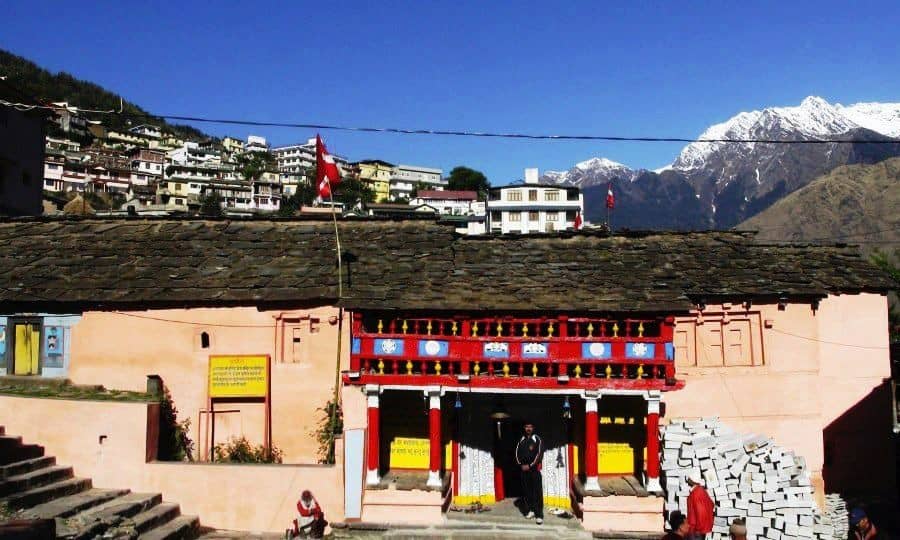
The prophecy is closely linked to the Narsingha Temple in Joshimath.
Key belief:
-
The idol of Lord Narasingha (Vishnu avatar) has one arm that is visibly thinning
-
During daily Jalabhishek, priests observe the gradual thinning
-
Locals believe this is a sign of the prophecy unfolding
With land subsidence issues in Joshimath and geological instability near Vishnuprayag, many devotees feel the ancient prophecy may hold truth.
🌡️ Bhavishya Badri Temperature & Weather
Bhavishya Badri Temperature
-
Summer (May–June): 10°C – 20°C
-
Monsoon (July–Aug): 8°C – 16°C (slippery trails)
-
Autumn (Sept–Oct): 5°C – 15°C
-
Winter: Heavy snowfall, access difficult
✅ Best time to visit: May–June & September–October
🥾 Bhavishya Badri Trek Distance
Bhavishya Badri Trek Distance
-
Trek distance: ~3 km (one way)
-
Difficulty: Easy to moderate
-
Trail: Forest path from road-head near Subhai
The trek passes through dense Himalayan forest and is suitable for most pilgrims with basic fitness.
Narsingha Temple Joshimath
📏 Badrinath to Bhavishya Badri Distance
-
Distance: ~45 km
-
Route: Badrinath → Joshimath → Subhai → Trek to temple
-
Travel time: 2–3 hours + trek
🚗 Joshimath to Bhavishya Badri
Joshimath to Bhavishya Badri Distance
-
Distance: ~22 km
-
Travel time: ~1 hour by road + short trek
Joshimath is the main base town for visiting Bhavishya Badri, Tapovan, and other Sapta Badri shrines.
🌄 Why Bhavishya Badri Is Spiritually Important
-
Part of the Sapta Badri temples
-
Believed to be the future Badrinath
-
Mentioned in ancient scriptures
-
Connected to Narasingha Temple & Vishnuprayag
-
Combines mythology, geology, and devotion
For Vishnu devotees, visiting Bhavishya Badri is considered a vision of Sanatan Dharma’s future.
🏁 Conclusion
Bhavishya Badri Temple is not just a pilgrimage site—it is a living prophecy of Hindu tradition. Nestled in the quiet forests near Subhai village, it stands as the future sanctuary of Lord Badrinarayan, waiting for the time foretold in scripture.
For those exploring the Sapta Badri circuit, understanding Vishnu mythology, or seeking lesser-known sacred Himalayan temples, Bhavishya Badri is a must-visit destination.
🙏 Jai Badri Vishal