Discover Badrinath Temple Timings: Tips for Special Puja & Darshan

Written by

SHARE THIS

Discover Badrinath Temple Timings: Tips for Special Puja & Darshan

Badrinath Temple Daily Opening and Closing Timings

The Badrinath Temple opening date for 2025 is May 4, 2025, at 6:00 AM. The temple remains open for pilgrims for about six months, typically from early May to mid-November, closing around November 6, 2025 (tentative) or in some sources by late October or mid-November depending on weather and official announcements.

Daily darshan timings are:

  • Morning: 4:30 AM to 1:00 PM
  • Evening: 4:00 PM to 9:00 PM or 3 PM to 9 PM 9 depends upon crowd of devotees

Note:  Badrinath Temple Timings vary upon crowd of devotees, I have noticed that  Temple committee changes the closing and opening time. Sometime

Arti timings (prayers):

  • Morning Arti: 4:30 AM – 6:30 AM
  • Raj Bhog/Noon Arti: around 12:00 PM
  • Evening Arti: 7:00 PM – 8:30 PM
  • The temple gates close by around 8:30 PM to 9:00 PM daily.

Key Points

  • The temple opens annually after winter months, when the idol is moved back from Narasimha Temple in Joshimath.
  • The opening date is traditionally announced on Basant Panchami in February.
  • The temple remains closed during winter due to heavy snowfall in the Himalayas.
  • Best time to visit is during the yatra period from May to November, avoiding peak monsoon months July-August due to travel risks.

Following these timings will help you plan a smooth and peaceful Badrinath pilgrimage in 2025. Make sure to check local and official sources close to your trip dates for any last-minute changes due to weather or special events.

Badrinath Temple Timings and General Information

Temple Opening and Closing Time

  • Morning Timings: The temple opens at 4:30 AM and remains open until 1:00 PM.
  • Evening Timings: The temple reopens at 4:00 PM and closes at 9:00 PM after the rendition of the sacred song Geet Govind.

Badrinath Temple General Information

Administration: The temple rituals are conducted by the Pujari, known as Rawal Ji, who must be well-versed in Sanskrit and puja ceremonies. The Rawal Ji traditionally belongs to a Kerala Brahmin family.

Photography: Photography is strictly prohibited inside the temple premises to maintain the sanctity of the place.

Opening and Closing Ceremonies

The temple has elaborate opening and closing ceremonies. It remains open for about six months each year, from April-May to October-November.

The exact opening date is decided on the day of Basant Panchami (February-March) based on astrological considerations. Similarly, the closing ceremony is held in October-November before the temple closes for the winter season.

During this period, devotees and pilgrims gather in large numbers to be part of the spiritual and cultural traditions surrounding Badrinath Dham.

Tips for Badrinath Darshan

Begin your day by rising early and participating in the temple Aarti at Badrinath. Be ready for a 2-3 hour wait for Darshan due to the substantial queue. After your visit, explore nearby attractions such as Vasudhara Falls and Mana village, the last Indian village on the Indo-China border.

Suggested Read:  Discover the Majestic Vasudhara Fall near Badrinath
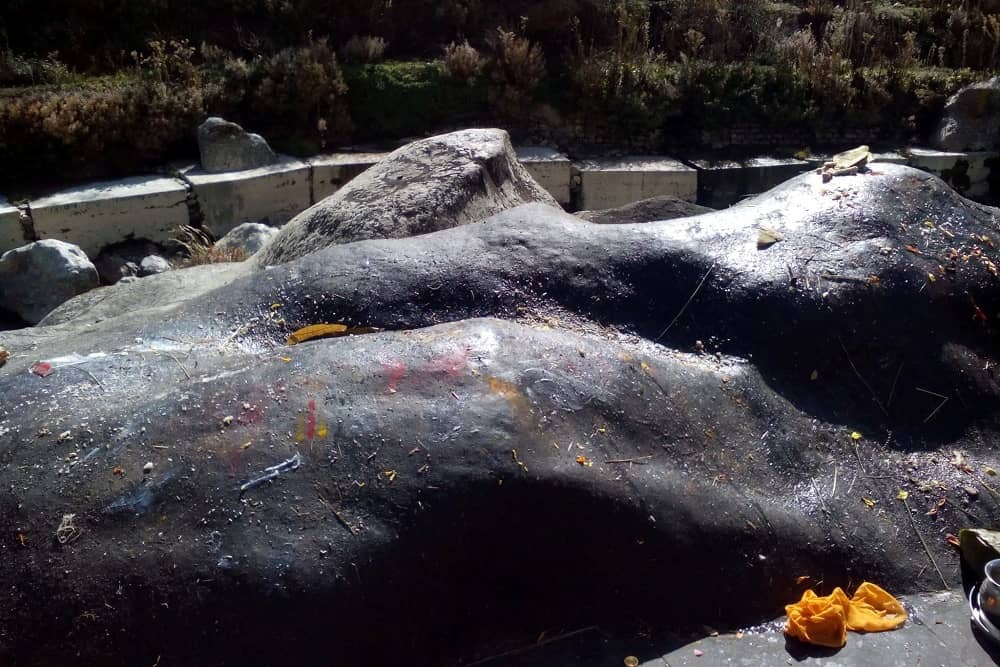
Bramha Kapal Badrinath Temple

Badrinath which god?

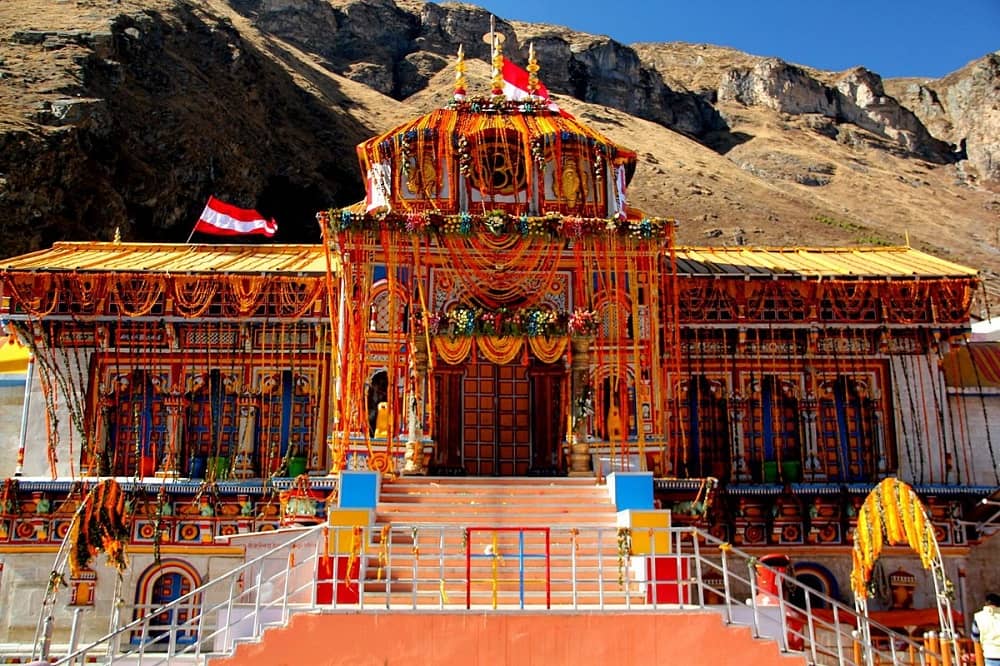
  • The Badrinath Temple is one of the most famous temples in India. It sits in the town of Badrinath and the temple stands for  Lord Vishnu. The temple is built with stone walls and carvings and has a North Indian style of architecture.

Badrinath Temple Darshan Timings

  • The daily rituals at the Badrinath temple timings start very early, around 4.30 am with Maha Abhishek and Abhishek Puja, and end at around 8.30 -9 pm with the Shayan Aarti
Suggested Read – Tapt Kund spiritual Benefits 
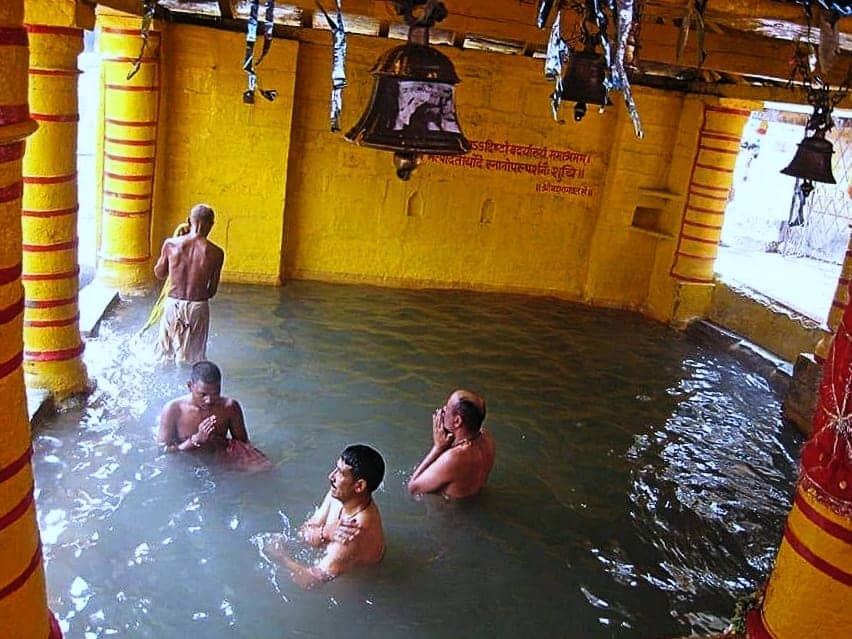
Tapt Kund Inside
Tapt Kund

Badrinath Temple (Badrinarayan Temple)

Badrinath Temple, also known as Badrinarayan Temple, is located in Badrinath town, Uttarakhand, and is one of the Char Dhams (four important pilgrimage sites) of the state. The four pilgrimage sites—Yamunotri, Gangotri, Kedarnath, and Badrinath—are collectively known as the Char Dham.

Badrinath is situated at an altitude of approximately 3,100 meters, and according to religious beliefs, visiting the temple cleanses a person of all sins and helps in attaining Moksha (liberation).

If you also wish to be a part of this pilgrimage, this article provides some essential information related to Badrinath.

Located in Badrinath town in the Himalayan Garhwal region of Uttarakhand, the temple is situated at an altitude of 10,200 feet above sea level. Directly in front of the temple stands the majestic Neelkanth peak. The temple is approximately 45 km from Joshimath, which also serves as a base camp

When it comes to the history of this ancient temple, there are no concrete facts about exactly how old it is. Historical texts suggest that the temple dates back to the Vedic era, which began around 1500 BCE. The temple is mentioned in several Vedic scriptures and Puranas.

It is also believed that the temple was constructed in the 9th century by Adi Shankaracharya, who was an Indian saint. He resided at Badrinath Temple from 814 to 820 CE and appointed a Namboodiri Brahmin from Kerala as the chief priest. This tradition continues even today.

Best time to visit

The weather in Badrinath remains cold almost throughout the year. The peak season to visit this place is between May to June and September to October. With the onset of the monsoon season, heavy rainfall and a drop in temperature are observed in Badrinath.

Due to heavy snowfall, the cold increases significantly in winter. In most winters, the temperature drops to minus degrees. Therefore, the summer season is the perfect time to visit this place. Whatever season you plan to travel here, just make sure to carry clothes accordingly.

Badrinath Temple Puja Rates & Timing (2024)

Here’s a detailed guide to the various Pujas, Aartis, and Paths available at the Badrinath Temple, along with their corresponding rates and timings. These rituals allow devotees to engage in personal and group prayers, seeking blessings from Lord Vishnu at one of the most sacred shrines in Hinduism.

Morning Puja (4:30 AM – 6:30 AM)

  1. Maha Abhishek Puja (1 Person): ₹ 4,300
  2. Abhishek Puja (1 Person): ₹ 4,101

Daytime Puja (6:30 AM – 12 Noon & 3 PM)

  1. Ved Path (1 Person): ₹ 2,100
  2. Geeta Path (1 Person): ₹ 2,500

Special Puja at Badrinath Temple

  1. Shrimad Bhagwat Saptah Path: ₹ 35,101
  2. Entire Pujas for One Day (1 Person): ₹ 11,700

Evening Aarti & Archana (6:00 PM – 9:00 PM)

  1. Swarna Aarti (1 Person): ₹ 376
  2. Vishnusahasranam Path (1 Person): ₹ 456
  3. Kapoor Aarti (1 Person): ₹ 151
  4. Shayan Aarti (1 Person): ₹ 3,100

Daily or Periodical Puja/Bhog & Akhand Jyoti

  1. Akhand Jyoti (Annual): ₹ 4,951
  2. Ghrit Kambal Ghee on Closing Day: ₹ 4,951
  3. Ghee for Deepak on Closing Day: ₹ 3,511
  4. Akhand Jyoti (One Day): ₹ 1,451

Puja on Special Occasions

  1. Bhagwan Nar-Narayan Janmotsava (Srawan Month): ₹ 4,951
  2. Shrawani Abhishek (Srawan Month): ₹ 11,701
  3. Shri Krishna Janmashtami Utsava: ₹ 10,551

Other Offerings

  1. Donation for Renovation Work: ₹ 1,001 or above

How to Book Puja

Pilgrims can book their Pujas or Aarti slots online via the official Badrinath-Kedarnath Samiti website: www.badrinath-kedarnath.gov.in.

This detailed list of Pujas and offerings provides an excellent opportunity for devotees to plan their visit to Badrinath Dham, ensuring a spiritual and fulfilling experience.

Badrinath Uttarakhand India

Temple Structure

The main entrance gate of the Badrinath temple is colorful and imposing and is popularly famous as Singhdwar. The temple is approximately 50 feet tall, with a small cupola on top covered with a gold gilt roof.

The Badrinath temple’s Architecture.

  • 1- The ‘Garbha Griha ( Sanctum sanctorum)
  • 2- The Darshan Mandap for Rituals and Ceremonies
  • 3- The Sabha Mandap  for devotees gathering.

1- The Garbha Griha portion of the temple has a gold-covered canopy and houses Lord Badari Narayan, Kuber (God of wealth), Narad rishi, Udhava, Nar & Narayan. The complex has 15 idols, including a finely sculpted one-meter-high black stone image of Lord Badrinath. According to legend, Shankara discovered the image of Lord Badrinarayan in the Alaknanda River.

2- The Darshan Mandap at Badari Narayan is a sight to behold. Under the Badri tree, Badri Vishal stands with a conch and chakra held high in two arms, while the other two arms are in yogic gestures. Kuber and Garuda watch over, alongside Narad, Narayan, and Nar. To the right of Badrinarayana is Uddhava.

3- The Sabha Mandap is a place where devotees and pilgrims can gather in the Badrinath Temple complex. It is a place where people can come together to pray and worship.

Conclusion

The Badrinath Temple is a place of immense spiritual significance, attracting devotees from all over India and beyond. Daily rituals make it a truly sacred destination. The meticulous Badrinath temple timings for darshan, the opportunity for special pujas, and the stunning temple structure all contribute to the spiritual experience for pilgrims.

Whether you seek a holy dip in the Tapt Kund or wish to witness the divine Aarti, Badrinath offers a profound journey into the heart of Hindu spirituality.

How to Reach Badrinath Temple by Road

Route from Rishikesh to Badrinath: The road journey from Rishikesh to Badrinath spans approximately 298 kilometers, typically taking around 10-12 hours, depending on road conditions and the mode of transportation.

Detailed Route:

  1. Rishikesh to Devprayag:
    • The journey begins in Rishikesh and continues through scenic landscapes, leading to Devprayag, where the rivers Alaknanda and Bhagirathi meet to form the Ganga.
    • Distance: ~70 km
    • Time: ~2-3 hours
  2. Devprayag to Srinagar:
    • After Devprayag, the route continues toward Srinagar, a picturesque town in Uttarakhand.
    • Distance: ~35 km
    • Time: ~1.5 hours
  3. Srinagar to Rudraprayag:
    • The road then leads to Rudraprayag, located at the confluence of the Alaknanda and Mandakini rivers.
    • Distance: ~33 km
    • Time: ~1-2 hours
  4. Rudraprayag to Karnaprayag:
    • From Rudraprayag, the route continues to Karnaprayag, where the Pindar river joins the Alaknanda.
    • Distance: ~33 km
    • Time: ~1-1.5 hours
  5. Karnaprayag to Chamoli:
    • The journey proceeds to Chamoli, a major district town.
    • Distance: ~30 km
    • Time: ~1 hour
  6. Chamoli to Joshimath:
    • The route then ascends to Joshimath, a critical stopover and gateway to Badrinath.
    • Distance: ~49 km
    • Time: ~1.5-2 hours
  7. Joshimath to Badrinath:
    • The final leg of the journey takes you from Joshimath to Badrinath, offering stunning views of the Himalayas.
    • Distance: ~46 km
    • Time: ~1.5-2 hours

Travel Tips:

  • Weather Check: Road conditions in the mountainous region can be challenging, especially during the monsoon season (July-August), which may cause landslides. Always check weather reports and road conditions before traveling.
  • Stops & Refreshments: The route passes through several small towns where travelers can rest, eat, and refuel.
  • Travel Time: Allow extra time for potential delays, particularly in the hilly terrain.

The route provides a spiritual and scenic journey, with rivers, mountains, and holy confluences marking the path toward the sacred Badrinath Dham.

Badrinath Temple Timings Badrinath Temple Timings Badrinath Temple Timings Badrinath Temple Timings Badrinath Temple Timings Badrinath Temple Timings Badrinath Temple Timings Badrinath Temple Timings Badrinath Temple Timings Badrinath Temple Timings Badrinath Temple Timings Badrinath Temple Timings Badrinath Temple Timings

Featured Article

About me

I am Om. I am a Travel Consultant and a licensed Tourist Guide ( Approved by the Ministry of Tourism, Government of India), I am living in Rishikesh. I set up this blog to share my tips and experiences for traveling to inspire and help you to travel Himalayas & Spiritual Places in India.

Social Link

Follow Me On Social Media

Book Accommodation in Rishikesh

You Might Also Like

Find Your Stay in Rishikesh