
About Yoga in Ancient India: Origins and Wisdom of Yoga
Yoga, one of India’s greatest gifts to humanity, is far more than a physical exercise system. Yoga in ancient India was a profound spiritual, philosophical, and ethical tradition aimed at self-realization and liberation. Rooted in sacred texts, lived by sages, and refined over thousands of years, yoga represents the inner science of India’s spiritual heritage.
In this blog, we explore yoga in Indian history, its ancient origins, foundational texts, philosophical depth, and how its timeless wisdom continues to guide modern life.
Yoga in India History: Where It All Began
The history of yoga in India dates back over 5,000 years, making it one of the oldest spiritual disciplines in the world. Early references to ancient yoga appear in archaeological findings from the Indus Valley Civilization, where seals depict meditative postures.
However, the true philosophical roots of yoga are found in India’s sacred literature, where yoga evolved as a path toward moksha (liberation) rather than physical fitness.
The Vedas and Upanishads: Foundations of Ancient Yoga
The earliest textual references to yoga in ancient India appear in the Vedas, particularly:
-
Rigveda
-
Yajurveda
-
Samaveda
-
Atharvaveda
These texts introduce concepts of tapas (discipline), dhyana (meditation), and yajna (sacred ritual)—all precursors to yogic practice.
The Upanishads, philosophical texts that followed the Vedas, expanded yoga into a deeply spiritual discipline. They emphasized:
-
Self-realization (Atman)
-
Union with universal consciousness (Brahman)
-
Meditation and inner inquiry
Yoga here was seen as a direct experiential path to truth, not merely ritual or belief.
Suggested Read: Yoga in Rishikesh India: All You Need To Know Before..
Who Founded Yoga in Ancient India?
Yoga was not founded by a single person. Instead, it evolved through centuries of collective wisdom. However, the systematization of yoga is credited to Patanjali, whose work became the backbone of classical yoga.
Patanjali’s Yoga Sutras: The Classical System
Composed around 200 BCE–400 CE, the Yoga Sutras of Patanjali are the most authoritative text on classical yoga.
Patanjali defined yoga as:
“Yogas chitta vritti nirodhah”
Yoga is the cessation of the fluctuations of the mind.
The Eight Limbs of Yoga (Ashtanga Yoga)
-
Yama – ethical restraints
-
Niyama – personal discipline
-
Asana – posture
-
Pranayama – breath control
-
Pratyahara – withdrawal of senses
-
Dharana – concentration
-
Dhyana – meditation
-
Samadhi – liberation
This framework shows that ancient yoga was primarily a path of consciousness, not a workout.
Yogis and Ascetics in Ancient India
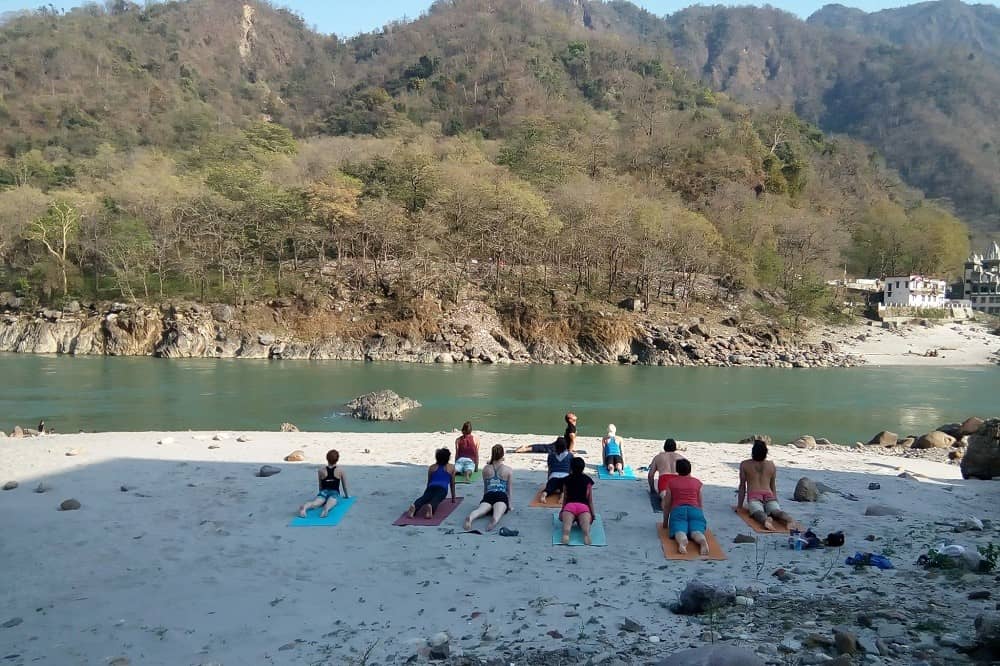
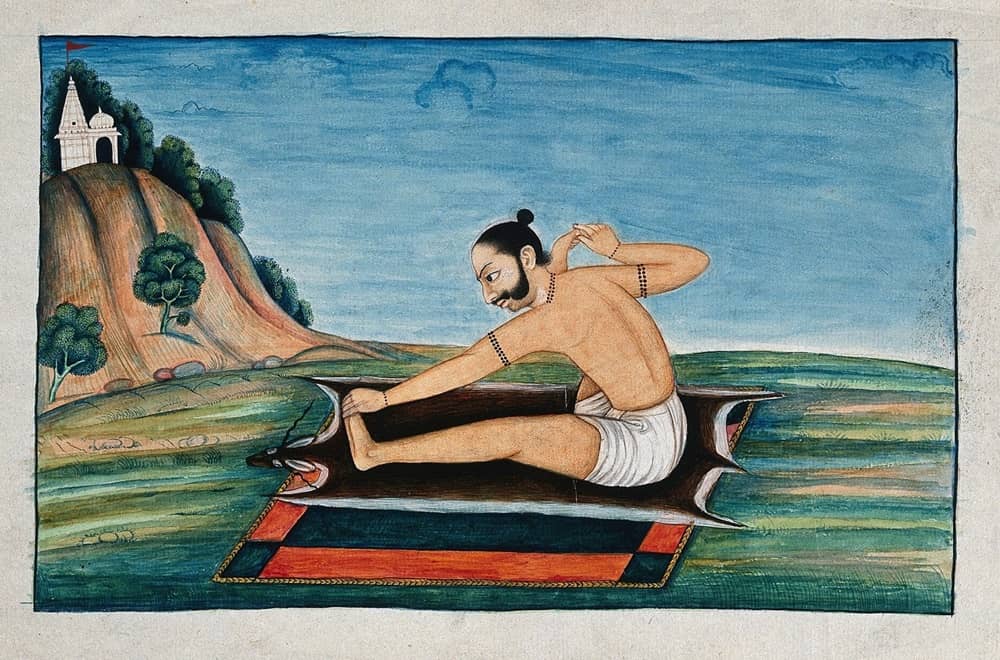
India’s forests, mountains, and riverbanks were once home to countless yogis and ascetics who embodied yoga in Indian history. These renunciates lived lives of simplicity, practicing meditation, breath control, and austerities to transcend physical limitations.
Regions like the Himalayas—especially places such as Rishikesh—became natural centers for yogic practice, earning their reputation as spiritual sanctuaries.
Hatha Yoga and Tantra: The Physical–Energetic Path
During the medieval period, yoga evolved further with the rise of Hatha Yoga and Tantra.
Hatha Yoga
-
Focused on the physical body
-
Introduced systematic asanas and pranayama
-
Prepared the body for deep meditation
Tantra
-
Explored subtle energy (kundalini)
-
Used mantras, rituals, and visualization
-
Viewed the body as a sacred instrument
Together, they shaped the ancient yoga traditions practiced worldwide today.
Yoga Philosophy and Ethics in Ancient India
Yoga in ancient India was inseparable from ethics and daily life. Core principles included:
-
Dharma – righteous living
-
Karma – action and consequence
-
Ahimsa – non-violence
-
Satya – truthfulness
-
Brahmacharya – moderation
The goal was not physical perfection but inner harmony, moral clarity, and spiritual freedom.
Yoga Events in India: Ancient Roots, Modern Expression
While yoga originated in ancient India, its legacy continues today through global celebrations and spiritual gatherings.
Modern yoga events in India—such as International Yoga Day, spiritual festivals, and ashram retreats—draw inspiration from ancient yogic wisdom, reaffirming India’s role as the spiritual home of yoga.
Yoga in Indian History: From Liberation to Lifestyle
Historically, yoga was practiced by seekers striving for enlightenment. In modern times, yoga has adapted to global lifestyles—yet its ancient Indian essence remains intact.
True yoga still points toward:
-
Self-awareness
-
Inner stillness
-
Union of body, mind, and spirit
Conclusion: The Timeless Wisdom of Yoga in Ancient India
Exploring yoga in ancient India reveals a holistic science of life—one that transcends physical movement and leads toward self-realization. From the Vedas and Upanishads to Patanjali’s Yoga Sutras, yoga emerged as a sacred path designed to awaken human potential.
As modern practitioners embrace yoga today, reconnecting with its ancient Indian roots allows the practice to regain its depth, purpose, and spiritual power.
Yoga is not just something we do—it is a way of being, gifted to the world by ancient India.