
Discover the Pink City of India: Why is Jaipur Called Pink City in India?
Jaipur’s iconic pink hue is deeply rooted in its history. In 1876, when Queen Victoria’s son, Albert Edward, Prince of Wales (later King Edward VII), visited India, the city’s ruler, Maharaja Sawai Ram Singh I, decided to paint the entire city pink. At the time, pink was symbolic of hospitality, and the gesture was meant to showcase the city’s welcoming nature. It’s said that Prince Albert was so taken by this gesture that he dubbed Jaipur the “Pink City of India,” a name that endures to this day.
To honor Prince Albert, the Maharaja also commissioned the construction of a grand concert hall, now known as Albert Hall Museum, which stands as the oldest museum in Rajasthan. The museum itself is an architectural marvel, blending Indo-Saracenic design with a collection of exquisite treasures, from paintings to crystal sculptures and jewelry.
Suggested Read: Sunrise in Udaipur: Explore Sunrise Point in Udaipur
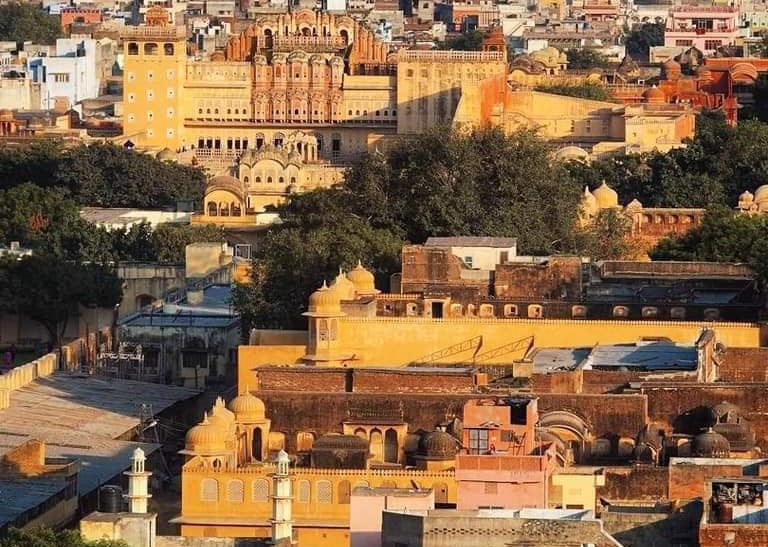
The city’s pink tradition didn’t stop there. In 1877, the Maharaja’s wife expressed her fondness for the color, prompting the ruler to pass a law mandating that all buildings in Jaipur must be painted the same shade of terracotta pink. This law is still in place today, ensuring that Jaipur retains its distinctive charm, with pink-hued bazaars, temples, and other structures lining its streets.
Jaipur’s pink aesthetic not only defines its landscape but also symbolizes its long-standing tradition of hospitality, making it a city that continues to warmly welcome visitors from all over the world.
Jaipur ( Pink City of India ), with its honeycomb-inspired palaces and towering forts, stands as one of India’s architectural marvels. But its allure extends beyond grand structures; it’s deeply rooted in its distinctive color scheme. Jaipur’s signature blush-colored look, which earns it the moniker “The Pink City of India,” is not just an aesthetic choice—it’s a historical story with layers of intrigue.
Suggested Read: About Taj Mahal Agra Facts: You Probably Didn’t Know”
The Story Behind Pink City of India
In 1876, Albert Edward, Prince of Wales (later King Edward VII), visited India. At that time, the color pink symbolized hospitality. To honor the royal visit and showcase the city’s renowned hospitality, Maharaja Sawai Ram Singh I decided to paint the entire city in this welcoming hue. The gesture was so impactful that the Prince himself reportedly nicknamed the city “The Pink City of India ,” a name that has stuck through the ages.
The Maharaja’s dedication to the color didn’t stop with the city’s initial makeover. Following his wife’s admiration for the pink, he enacted a law in 1877 requiring that all future buildings in Jaipur adhere to this color scheme. This law has persisted, ensuring that almost every structure in the city, from bustling bazaars to serene temples, maintains the same terracotta pink shade.

Jaipur’s Architectural Wonders
When visiting Jaipur, the Pink City of India you’ll find several stunning examples of its architectural grandeur, accentuated by its pink palette:
- Amber Fort: A majestic fortress sitting atop a hill, featuring intricate carvings and majestic courtyards.
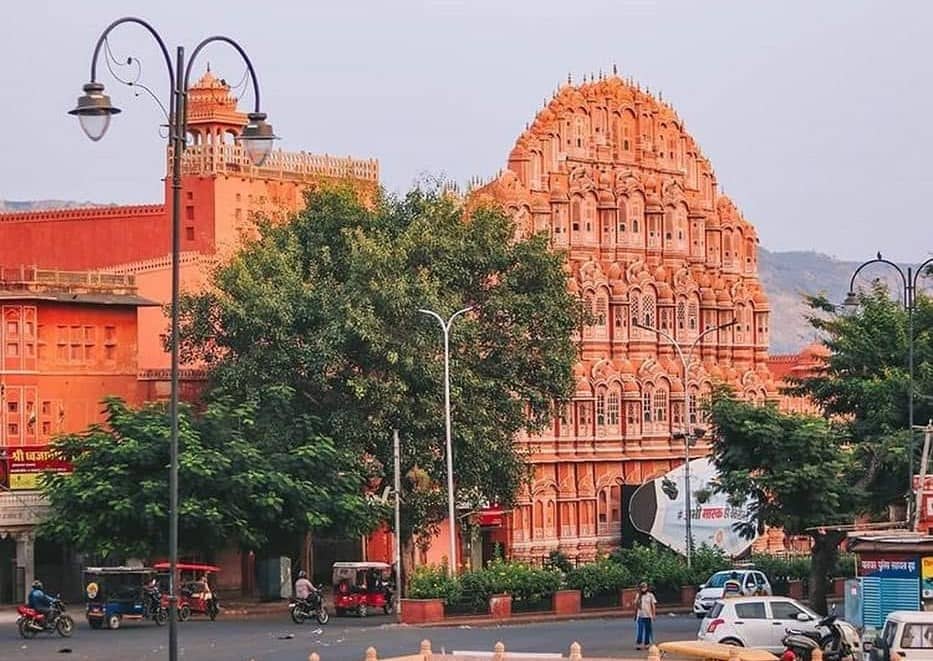
- Hawa Mahal: Known as the “Palace of Winds,” its unique honeycomb façade and pink lattice windows are a sight to behold.
- City Palace: An expansive complex with a blend of Rajasthani and Mughal architecture, its pink and white walls add to its regal charm.
- Albert Hall Museum: An Indo-Saracenic architectural gem, this museum houses a rich collection of art and artifacts.
The Famous Pink Buildings in Pink City of India
If you’re ready to explore the stunning hues of Jaipur ( Pink City of India ), make sure to include these iconic pink buildings in your itinerary. Each one offers a glimpse into the city’s rich architectural heritage and its signature color scheme.
Hawa Mahal ( Pink City of India )
Hawa Mahal, or the “Palace of Winds,” stands as Jaipur’s most iconic pink building. Constructed in 1799 by Maharaja Sawai Pratap Singh, this five-storey, crown-shaped palace is a marvel of design. Built from pink sandstone and later pink-washed with calcium oxide paint in 1876 to enhance its impact, the Hawa Mahal features over 950 intricate latticework windows, resembling a honeycomb. This design allowed royal women to observe daily life in the bustling streets below while remaining unseen.
The Hawa Mahal is a must-visit for anyone exploring Jaipur ( Pink City of India ). When you visit, you’ll have the opportunity to:
- Explore the City Palace Museum: Discover the rich history and artifacts of Jaipur’s royal heritage.
- Visit Jantar Mantar: Home to the world’s largest stone sundial, this astronomical observatory offers a fascinating insight into ancient scientific techniques.
- Join a Local Expert: Take a guided walk through Jaipur’s old laneways and watch artisans practicing traditional techniques that have been passed down through generations.
City Palace ( Pink City of India )
Located in the heart of Jaipur’s old town, the City Palace is a striking example of the city’s regal heritage and vibrant architecture. This majestic palace, with its candy-colored façades, remains a royal residence to this day.
Highlights of the City Palace
- Architectural Marvel: The City Palace showcases a unique blend of Rajput, European, and Mughal architectural styles, reflecting the diverse influences that shaped Jaipur’s history.
- Sprawling Complex: Wander through expansive courtyards and lush gardens, each offering a glimpse into the opulence of Rajasthan’s royal past.
- Historical Artifacts: Admire ancient cannons, intricate sculptures, and an impressive collection of artifacts displayed throughout the palace.
- Museums and Galleries: Explore the palace’s museums and galleries, which house a rich collection of royal memorabilia, paintings, and textiles.
Amer Fort (Amber Fort)
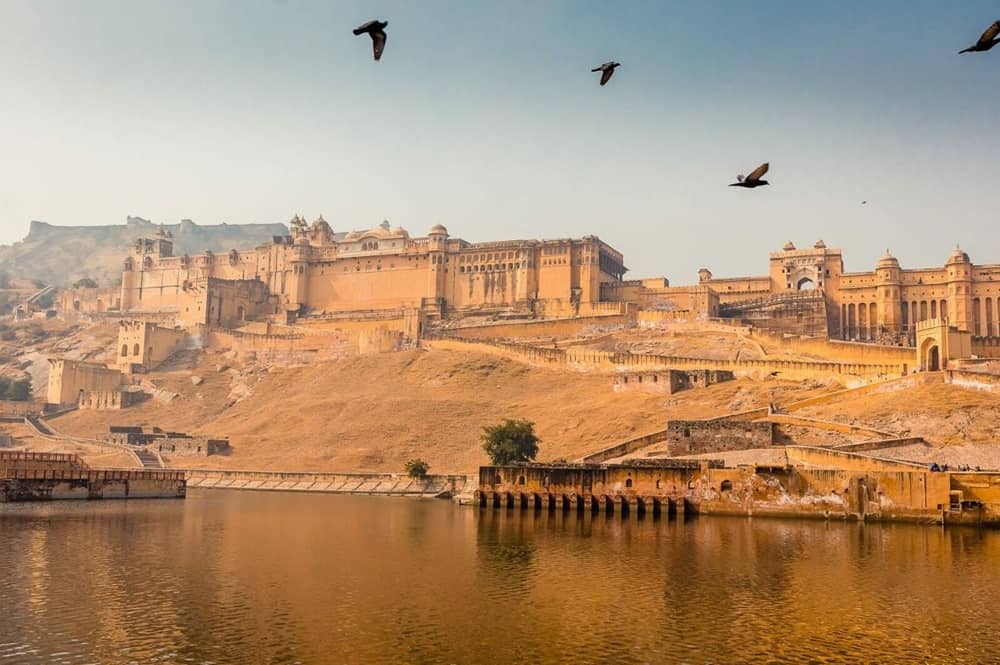
Jaipur, famous for its stunning forts, boasts no grander structure than Amer Fort. Perched atop a hill and constructed from a mix of pale pink and yellow sandstone, complemented by white marble, Amer Fort is a striking example of Rajput architecture and grandeur.
Highlights of Amer Fort
- Panoramic Views: Ascend to the top of the fort to enjoy breathtaking vistas of a sparkling lake on one side, undulating hills on the other, and the sprawling city of Jaipur in the distance.
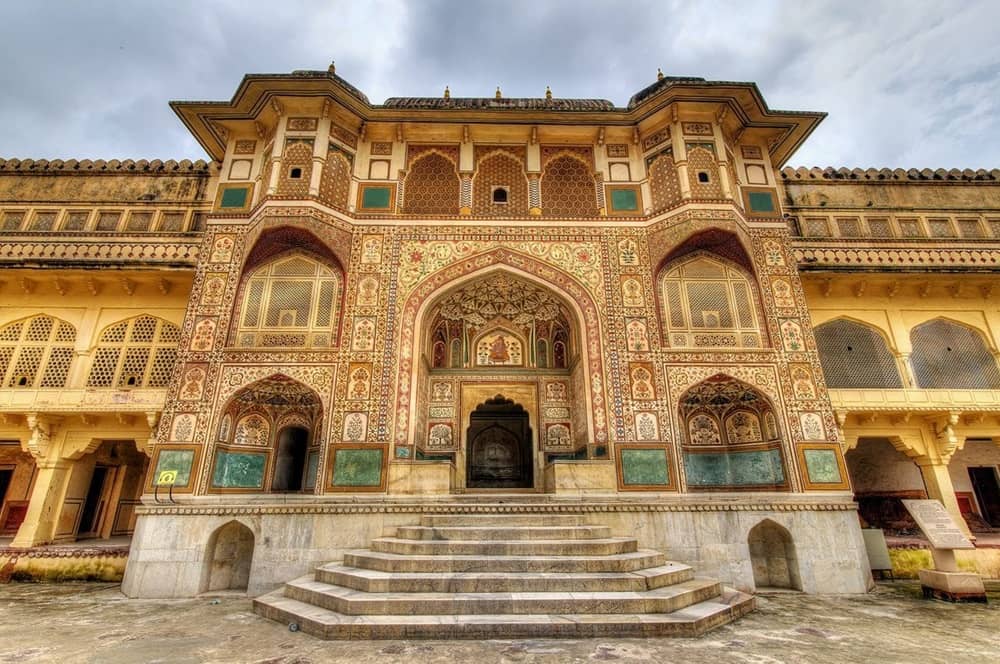
- Sheesh Mahal (Palace of Mirrors): This dazzling room is a must-see. Adorned with mirrors, mosaics, and intricate floral carvings, the Sheesh Mahal was designed to allow the queen (Mahrani) to stargaze from within the palace, as she was not permitted to sleep outdoors. The light from a single candle reflects off the mirrors, creating the illusion of a star-studded sky—an enchanting and romantic spectacle.
Jaigarh Fort ( Pink City of India )
Next on your exploration is Jaigarh Fort, located just a short distance from Amer Fort. This imposing red sandstone fort is renowned for its historical significance and impressive architecture.
Highlights of Jaigarh Fort
- Historical Role: Originally designed as a defensive fortification, Jaigarh Fort was used to store weapons and ammunition. It played a crucial role in safeguarding the region.
- Jaivana Cannon: The fort is famous for housing the world’s largest cannon on wheels, the Jaivana Cannon. This massive artillery piece is a testament to the fort’s military importance.
- Persian-Style Garden: For a serene experience, visit the lush Persian-style gardens within the fort. They provide a tranquil escape from the fort’s more formidable aspects.
Nahargarh Fort ( Pink City of India )
Conclude your tour with a visit to Nahargarh Fort, which offers a different aesthetic with its yellow sandstone construction, setting it apart from Jaipur’s pink buildings.
Highlights of Nahargarh Fort
- Stunning Views: Nahargarh Fort provides some of the best panoramic views of Jaipur. Visit at sunset to witness the city’s pink buildings glowing with a red hue as the sun sets, creating a mesmerizing spectacle.
A City Bathed in Pink
Jaipur’s colorful legacy is more than just a visual treat—it reflects a historical commitment to hospitality and grandeur. As you explore its vibrant streets and awe-inspiring buildings, the city’s blush-colored walls serve as a reminder of its rich past and its continued warmth towards visitors.