Pind Daan in Badrinath: Discover the Cost at Brahma Kapal for 2026
Importance of Pind Daan in Badrinath holds immense spiritual significance. Devotees believe that performing this ritual here ensures liberation (moksha) for the souls of departed ancestors.
The powerful location—situated along the holy Alaknanda river—is regarded as especially sacred in Hindu tradition. People make the journey to Badrinath because they trust that offering Pind Daan here helps break the cycle of rebirth for their forefathers.
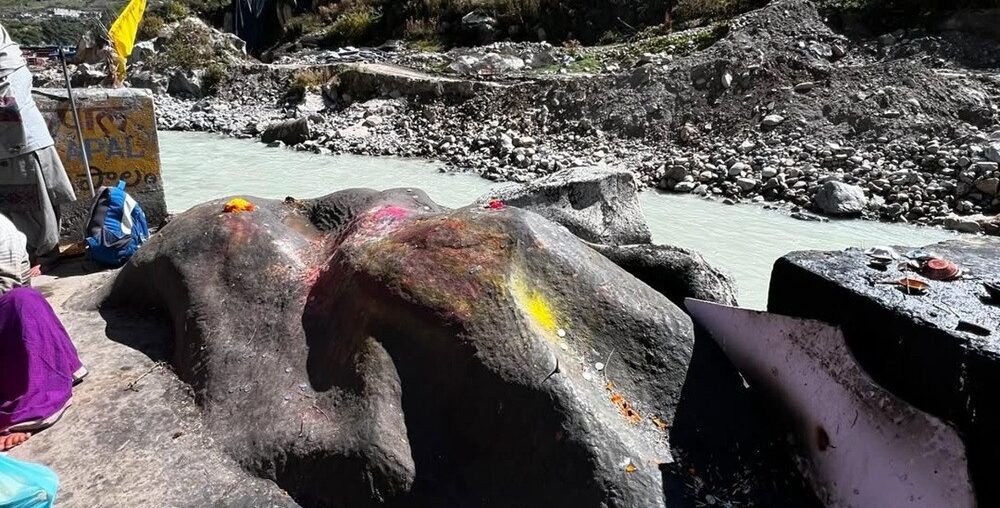
Brahma Kapalam
Brmha Kapalam in Badrinath stands as a highly revered spiritual site for Hindus, drawing devotees seeking blessings for themselves and their ancestors. Set along the tranquil banks of the Alaknanda River and only a short distance from the famed Badrinath Temple, this spot holds deep religious meaning.
At Brahma Kapal, families perform rituals and Shraddha Karm to honor the memories of their departed loved ones. They offer prayers for the souls’ peace and aspire for their ultimate liberation from the endless cycle of rebirth.
According to legend, Lord Brahma is said to reside at this holy ghat. Carrying out ancestral rites here is considered especially powerful—devotees believe these rituals can grant salvation, freeing souls from the cycle of birth and death. This enduring faith keeps Brahma Kapal a vital destination for spiritual seekers and families upholding generational traditions
According to the Skanda Purana, this sacred site brings benefits eight times more then Gayaji if one perform the Pind Daan rituals.
According Pind Daan tradition, people believe that ancestors get liberation from the cycle of birth and rebirth, and the family also receives freedom from ancestral curses (Pitru Dosha).
That is why Brahmakapal is regarded as the supreme pilgrimage site for Pind Daan. Holy scriptures state that after performing Pind Daan at Brahmakapal, no further Pind Daan is needed anywhere else.
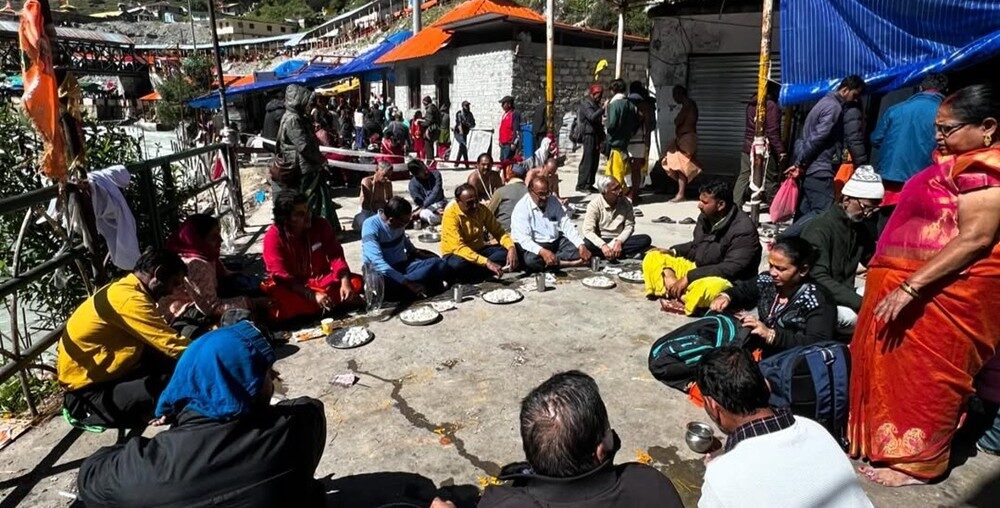
Origin of Pind Daan at Brahmakapal
According to the Puranas, the origin of the Pind Daan ritual is closely linked to the story of Brahma, Saraswati, and Shiva. The narrative goes as follows:
When Brahma, enchanted by the beauty of Saraswati (who was created by Brahma himself), became infatuated with her, Lord Shiva grew furious with Brahma’s behavior.
In his anger, Shiva used his trident to sever Brahma’s fifth head. This fifth head, associated in various stories with either Brahma’s arrogance or desire, stuck to Shiva’s trident, thereby bestowing upon Shiva the grave sin of Brahma-hatya (killing a Brahmin or creator deity).
To seek atonement for this sin, Shiva visited numerous holy sites, but nowhere could he rid himself of this guilt. Eventually, as Shiva bathed in the Alaknanda river near Badrikashram and proceeded toward Badrinath, a miraculous event occurred—the fifth head of Brahma finally detached from Shiva’s hand and fell to the ground. The spot where the head fell became known as Brahma Kapal.
It is at Brahma Kapal in Badrinath that Shiva was relieved of his sin, and hence, this place gained immense religious significance for performing Pind Daan (ancestral offerings). Traditions hold that rituals conducted here are especially potent for liberating ancestors’ souls.
This story explains the mythological beginning of Pind Daan, linking the ritual’s origin to the absolution of even the gravest sins by performing rites at specific sacred locations
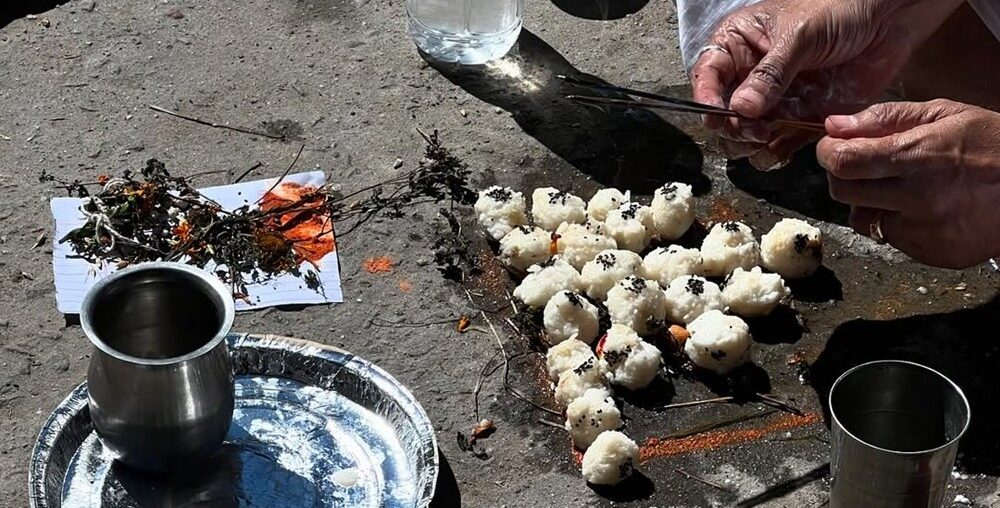
Pandavas Attained Forgiveness for Lineage Sins
The Srimad Bhagavat Mahapurana records that after the Mahabharata war, the Pandavas incurred the sin of killing their own relatives (gotra-hatya). On their journey to Swargarohini, the Pandavas performed rituals for their ancestors at Brahmakapal. Even today, a rock resembling Brahma’s head stands on the banks of the Alaknanda at this site.
The cost of Pind Daan in Badrinath
The cost of performing Pind Daan in Badrinath at Brahma Kapal Ghat varies based on the package and the services included:
-
Comprehensive Pind Daan package: The cost for a full ritual, including guidance by expert priests and all major inclusions, is currently ₹10,999 (discounted from the original price of ₹12,999).
-
Pind Prasad (basic ritual element): If you want only the symbolic Prasad associated with Pind Daan, it is available for ₹101.
The final amount can vary depending on the rituals, offerings, and whether you choose special arrangements or add complementary pujas. Some priests may offer custom packages or additional services at varied prices. All arrangements can be booked online through temple committee portals and service providers
Sri Badrinath Temple
Badrinath Temple and Town are some of the most visited pilgrimage centers by Hindu pilgrims who are anticipated to be there at least once in their lifetime. Lord Vishnu is well known as Lord Badrinath.
According to Hindu sacred scriptures and traditions, all the holy center in India is located by the rivers and they make location holy.
And, Badrinath is the origin of the 2 holiest rivers of India, which are namely the Alakananda River and the Saraswati River. Sri Badrinath Ji lies in the Himalayan state of Uttarakhand and one of the very places where Lord Vishnu mediates.
Suggested Read – Raghunath Temple: A divine shrine of Lord Rama- Devprayag
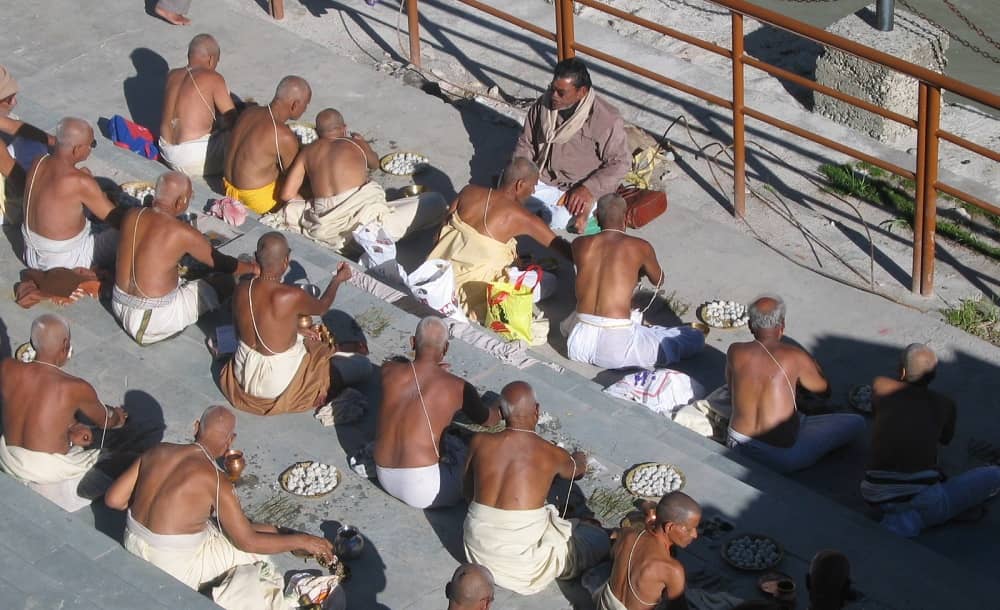
Brahma Kapal Ghat, Badrinath
On the right bank of the Alakananda River, there is a sacred spot (ghat), known as Brahma Kapal Ghat. It is marked by a stone-paved platform and a series of steps leading down to the holy waters.
Hindu devotees and pilgrims take a dip in the bone-chilling river and bathe in it, as there is a strong belief that bathing or taking a dip here purifies one from worldly sins.
Brahma Kapal Ghat is also renowned for Pind Daan in Badrinath. This sacred site is specifically dedicated to the healing rituals for departed souls and the spirits of ancestors.
The ritual of Pind Daan in Badrinath is performed exclusively on the banks of Brahma Kapal. This holy tribute to the departed souls strengthens the believers’ faith in Moksha, or salvation from the Samsara (the endless cycle of rebirth).
According to the ancient texts, was the first to initiate this sacred ritual, known as Pind Daan in Badrinath, passing it down from generation to generation. The ritual centers on the offering of Pindas, which are symbolic representations for the soul.
A Pind is a rounded ball made of rice and barley flour, mixed with milk and honey, and dotted with sesame seeds. When Hindu priests officiate this sacred ritual, devotees prepare and offer seven Pindas on behalf of their ancestors.
According to the belief, these Pindas assist the departed souls in their spiritual journey toward salvation, helping them cross the river of life and rebirth, and ultimately attain Moksha
Types of Pind Daan
The Pind Daan ritual holds a central place in Hindu tradition, offering spiritual benefit to departed souls. Several types of Pind Daan exist, each with its distinct purpose, procedure, and timing. Below are the main types:
1. Nitya Pind Daan
- Nitya Pind Daan refers to the daily ritual performed for the well-being and peace of departed ancestors.
- Devotees offer pindas (rice balls) regularly, usually at home or at a holy site.
- Families perform this to maintain ongoing blessings and keep ancestral spirits at peace.
2. Shraadh Pind Daan
- Shraadh Pind Daan is performed on the death anniversary of a loved one, often during the Pitru Paksha period.
- This ritual invites the ancestral spirits for offerings and prayers, aiding their journey toward Moksha.
3. Tripindi Shraddha
- Tripindi Shraddha is a specialized Pind Daan offered when the ritual hasn’t been performed for ancestors in the last three years.
- It helps release ancestral souls trapped due to neglected rites, removing obstacles from the family’s spiritual path.
4. Tilanjali Pind Daan
- In Tilanjali Pind Daan, devotees offer pindas composed mainly of sesame seeds (til) mixed with water.
- This practice is believed to have powerful effects in pacifying restless ancestral souls, especially those who had untimely or unnatural deaths.
5. Tirtha Pind Daan
- Tirtha Pind Daan is performed at specific sacred locations like Brahma Kapal Ghat in Badrinath, Gaya, or Haridwar.
- Many believe that offering Pind Daan in such holy places provides greater liberation to the ancestors and grants blessings to the family.
6. Ekodishta Pind Daan
- Ekodishta Pind Daan is performed for a single, specific departed soul rather than for collective ancestors.
- This type of ritual is often done soon after the person’s death, aiding their smooth passage toward peace.
Performing the appropriate type of Pind Daan with devotion and according to tradition is believed to bestow peace upon the souls of ancestors and bring prosperity and harmony to the family.
Pind Daan in Badrinath Pind Daan in Badrinath Pind Daan in Badrinath Pind Daan in Badrinath Pind Daan in Badrinath Pind Daan in Badrinath Pind Daan in Badrinath Pind Daan in Badrinath